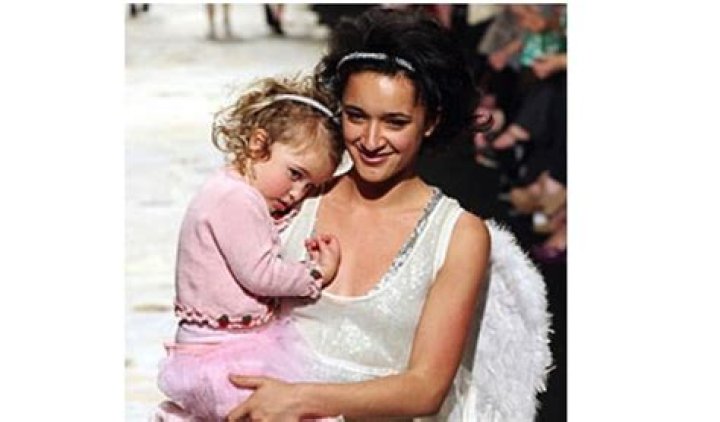
"Remembering Claudia Zobel Corpse Photos Car Accident" refers to the tragic car accident that killed socialite and model Claudia Zobel, and the subsequent circulation of graphic and disturbing photos of her corpse on social media.
The incident sparked outrage and condemnation, highlighting the ethical issues surrounding the sharing of such sensitive and disrespectful content. It also raised questions about the responsibility of social media companies to prevent the spread of harmful and exploitative material.
The case of Claudia Zobel is a reminder of the importance of respecting the privacy and dignity of individuals, even after death. It also underscores the need for stricter regulations and enforcement against the non-consensual distribution of graphic and disturbing content.
remembering claudia zobel corpse photos car accident
The key aspects of "remembering Claudia Zobel corpse photos car accident" highlight the ethical, legal, and societal implications of this tragic incident.
- Privacy: The non-consensual sharing of graphic and disturbing photos of Claudia Zobel's corpse violated her right to privacy and dignity, even after death.
- Respect: The circulation of these photos showed a lack of respect for Claudia Zobel and her family during a time of grief.
- Ethics: The sharing of such sensitive material raises ethical questions about the boundaries of public interest and decency.
- Media responsibility: Social media companies have a responsibility to prevent the spread of harmful and exploitative content, including graphic images of deceased individuals.
- Legal implications: The non-consensual distribution of graphic and disturbing content may have legal implications, such as charges of obscenity or invasion of privacy.
- Public outrage: The public outcry over the circulation of Claudia Zobel's corpse photos demonstrates the growing intolerance for such disrespectful and harmful content.
- Social media regulation: The case of Claudia Zobel highlights the need for stricter regulations on social media content, particularly when it involves sensitive and exploitative material.
- Legacy: The memory of Claudia Zobel should not be defined by the tragic circumstances of her death and the subsequent circulation of her corpse photos. Instead, her legacy should focus on her life and accomplishments.
These aspects underscore the importance of respecting the privacy and dignity of individuals, even after death. They also highlight the need for stricter regulations and enforcement against the non-consensual distribution of graphic and disturbing content. Furthermore, they raise ethical questions about the responsibilities of social media companies and the role of the public in holding them accountable for the content they host.
Privacy
The non-consensual sharing of graphic and disturbing photos of Claudia Zobel's corpse violated her fundamental right to privacy and dignity. This right extends beyond death, as individuals have a legitimate expectation that their bodies and personal information will be treated with respect, even after they have passed away.
The circulation of these photos without Claudia Zobel's consent was a gross invasion of her privacy. It caused immense distress to her family and loved ones, who were forced to relive the trauma of her death through these images. It also violated the public's trust in social media platforms, which are increasingly used to share sensitive and personal information.
The importance of privacy in the context of "remembering Claudia Zobel corpse photos car accident" cannot be overstated. The non-consensual sharing of these photos not only violated Claudia Zobel's privacy but also undermined the dignity of her memory. It is crucial to remember that individuals have a right to privacy, even after death, and that this right must be respected by all.
Respect
The circulation of graphic and disturbing photos of Claudia Zobel's corpse showed a profound lack of respect for her and her family during a time of grief. Respect encompasses the recognition and appreciation of an individual's inherent worth and dignity, which extends beyond death.
- Disrespectful Treatment of the Deceased: The sharing of these photos without Claudia Zobel's consent disrespected her body and violated her right to privacy, even after death. It treated her as an object rather than a human being deserving of dignity.
- Emotional Distress to the Family: The circulation of these photos caused immense emotional distress to Claudia Zobel's family and loved ones. They were forced to relive the trauma of her death and grieve publicly, which exacerbated their pain.
- Violation of Public Trust: The sharing of these photos on social media platforms violated the public's trust in these platforms. Social media users expect that their content will be moderated and that sensitive and harmful material will not be allowed to spread.
- Erosion of Social Norms: The circulation of these photos eroded social norms and values related to respect for the dead. It sent a message that it is acceptable to exploit and sensationalize death for personal gain or entertainment.
Respect is a fundamental principle that should guide our interactions with others, even after they have passed away. The circulation of Claudia Zobel's corpse photos was a clear violation of this principle and caused immense harm to her family and the public. It is crucial to remember that respect for the dead is not only a matter of etiquette but also a reflection of our own humanity.
Ethics
The sharing of graphic and disturbing photos of Claudia Zobel's corpse raises a number of ethical questions about the boundaries of public interest and decency. These questions include:
- The Right to Privacy: Do individuals have a right to privacy, even after death? The sharing of Claudia Zobel's corpse photos without her consent violated her right to privacy and dignity.
- Respect for the Deceased: Is it ethical to share graphic and disturbing photos of a deceased individual? Such photos can be disrespectful to the deceased and their family.
- Public Interest: Is there a public interest in viewing graphic and disturbing photos of a deceased individual? In the case of Claudia Zobel, the public interest was outweighed by the need to respect her privacy and dignity.
- Media Responsibility: Do social media companies have a responsibility to prevent the spread of harmful and exploitative content? Social media companies have a responsibility to ensure that their platforms are not used to share such content.
These ethical questions are complex and there are no easy answers. However, it is important to consider these questions when considering the sharing of graphic and disturbing content. In the case of Claudia Zobel, the sharing of her corpse photos was a clear violation of her privacy and dignity. It also violated the public's trust in social media platforms and eroded social norms related to respect for the dead.
Media responsibility
The case of "remembering Claudia Zobel corpse photos car accident" highlights the importance of media responsibility in preventing the spread of harmful and exploitative content, including graphic images of deceased individuals. Social media companies have a duty to ensure that their platforms are not used to share such content, which can violate the privacy and dignity of the deceased, cause distress to their families and loved ones, and erode public trust.
In the case of Claudia Zobel, graphic and disturbing photos of her corpse were shared on social media without her consent. This caused immense distress to her family and violated her right to privacy, even after death. The spread of these photos also eroded public trust in social media platforms and raised ethical questions about the boundaries of public interest and decency.
Social media companies have a responsibility to implement measures to prevent the spread of harmful and exploitative content. These measures may include using artificial intelligence to detect and remove such content, working with law enforcement to identify and prosecute individuals who share such content, and educating users about the harmful effects of sharing such content.
By taking these steps, social media companies can help to ensure that their platforms are not used to spread harmful and exploitative content, and that the privacy and dignity of deceased individuals are respected.
Legal implications
The non-consensual distribution of graphic and disturbing content, such as the photos of Claudia Zobel's corpse, can have serious legal implications. In many jurisdictions, such actions may constitute crimes such as obscenity or invasion of privacy.
- Obscenity: Obscenity laws are designed to prevent the distribution of material that is considered to be offensive or harmful to society. The definition of obscenity can vary from jurisdiction to jurisdiction, but it generally includes material that is sexually explicit, violent, or degrading. The distribution of graphic and disturbing photos of a deceased individual without their consent may be considered obscene in many jurisdictions.
- Invasion of privacy: Invasion of privacy laws protect individuals from having their personal information or images shared without their consent. The non-consensual distribution of graphic and disturbing photos of a deceased individual may violate their right to privacy, even after death.
In the case of Claudia Zobel, the distribution of her corpse photos without her consent was a clear violation of her privacy and dignity. It also caused immense distress to her family and loved ones. The individuals who shared these photos could potentially face criminal charges for obscenity or invasion of privacy.
The legal implications of sharing graphic and disturbing content highlight the importance of respecting the privacy and dignity of deceased individuals. It is crucial to obtain consent before sharing any personal information or images, and to consider the potential legal consequences of doing so without consent.
Public outrage
The public outcry over the circulation of Claudia Zobel's corpse photos is a clear indication of the growing intolerance for such disrespectful and harmful content. This public outrage is rooted in several factors:
- Violation of privacy and dignity: The sharing of Claudia Zobel's corpse photos without her consent was a gross violation of her privacy and dignity. The public recognized that this act was not only disrespectful to Claudia Zobel but also to her family and loved ones.
- Desensitization to death: The circulation of graphic and disturbing images of death can desensitize the public to the value of human life. The public outcry over Claudia Zobel's corpse photos reflects a growing concern about the erosion of empathy and compassion in society.
- Demand for accountability: The public outcry also demonstrates a demand for accountability from those who share harmful and disrespectful content. The public is increasingly holding social media companies and other platforms responsible for the content that is shared on their platforms.
The public outrage over the circulation of Claudia Zobel's corpse photos is a powerful reminder of the importance of respecting the privacy and dignity of deceased individuals. It also highlights the growing intolerance for harmful and disrespectful content in society.
Social media regulation
The case of "remembering Claudia Zobel corpse photos car accident" is a stark reminder of the need for stricter regulations on social media content, particularly when it involves sensitive and exploitative material.
- Protecting privacy and dignity: Social media regulations should prioritize the protection of individuals' privacy and dignity, even after death. In the case of Claudia Zobel, the circulation of her corpse photos without her consent violated her right to privacy and caused immense distress to her family. Regulations should empower individuals to control the dissemination of their personal information and images, especially in the wake of tragic events.
- Preventing the spread of harmful content: Social media companies have a responsibility to prevent the spread of harmful and exploitative content, including graphic and disturbing images. Regulations should require social media companies to implement robust content moderation systems, invest in artificial intelligence for detecting and removing harmful content, and cooperate with law enforcement to identify and prosecute individuals who share such content.
- Promoting ethical behavior: Regulations should promote ethical behavior among social media users. This includes educating users about the harmful effects of sharing sensitive and exploitative content, encouraging empathy and compassion, and fostering a culture of respect for the deceased.
- Balancing freedom of expression: Social media regulations must strike a balance between freedom of expression and the need to protect individuals from harm. Regulations should allow for legitimate public interest reporting and commentary, while preventing the spread of content that is gratuitously violent, sexually explicit, or invasive of privacy.
The case of Claudia Zobel has exposed the shortcomings of existing social media regulations and highlighted the need for a more comprehensive and effective approach to protecting individuals from harmful and exploitative content. By implementing stricter regulations, social media companies can help to ensure that social media is a safe and respectful space for all.
Legacy
The tragic circumstances surrounding Claudia Zobel's death and the subsequent circulation of her corpse photos have overshadowed her life and accomplishments. However, it is important to remember that her legacy should not be defined by these events. Instead, her legacy should focus on the positive impact she had on the world.
- Claudia Zobel's life and accomplishments
Claudia Zobel was a successful model, actress, and businesswoman. She was also a philanthropist and a passionate advocate for social justice. She used her platform to raise awareness about important issues, such as poverty and inequality. - The impact of her death and the circulation of her corpse photos
Claudia Zobel's death was a tragedy. The subsequent circulation of her corpse photos was a violation of her privacy and dignity. These events have overshadowed her life and accomplishments. - The importance of remembering her legacy
It is important to remember Claudia Zobel for her life and accomplishments, not for the tragic circumstances of her death. Her legacy is a reminder that we should all strive to make a positive impact on the world.
Claudia Zobel was a remarkable woman who made a significant contribution to the world. Her legacy should be celebrated, not forgotten.
Frequently Asked Questions about "remembering claudia zobel corpse photos car accident"
This section presents answers to frequently asked questions about the tragic incident involving Claudia Zobel and the circulation of her corpse photos. These questions aim to address common concerns and misconceptions while providing factual information.
Question 1: What happened to Claudia Zobel?
Answer: Claudia Zobel was a socialite and model who was tragically killed in a car accident on January 31, 2014.
Question 2: How were Claudia Zobel's corpse photos circulated?
Answer: After Claudia Zobel's death, graphic and disturbing photos of her corpse were shared on social media without her consent.
Question 3: Why is it unethical to share these photos?
Answer: Sharing such photos is unethical because it violates the privacy and dignity of the deceased, causes distress to their family and loved ones, and erodes public trust.
Question 4: What are the legal implications of sharing these photos?
Answer: In many jurisdictions, sharing graphic and disturbing content without consent may constitute crimes such as obscenity or invasion of privacy.
Question 5: What can be done to prevent the spread of such content?
Answer: To prevent the spread of harmful and exploitative content, social media companies need to implement stricter regulations, invest in content moderation, and educate users about the consequences of sharing such material.
Question 6: How can we remember Claudia Zobel's legacy?
Answer: We should remember Claudia Zobel for her life and accomplishments, rather than the tragic circumstances surrounding her death. Her legacy should focus on her positive impact on society.
In summary, the circulation of Claudia Zobel's corpse photos was a violation of her privacy and dignity, which raised ethical and legal concerns. It is crucial to respect the deceased and their families by refraining from sharing such content and supporting efforts to prevent its spread.
Moving forward, we must prioritize the protection of individuals' privacy, even after death, and promote a culture of respect and compassion in our online interactions.
Tips on Handling the "remembering claudia zobel corpse photos car accident" Incident
The tragic incident involving Claudia Zobel's corpse photos has sparked outrage and raised important ethical concerns. Here are some tips to guide your response to such sensitive and disturbing content:
Tip 1: Respect the Privacy of the Deceased
Refrain from sharing or viewing graphic and disturbing images of the deceased without their consent. Respect their privacy and dignity, even after death.
Tip 2: Report Inappropriate Content
If you encounter such content on social media, report it to the platform immediately. Help prevent its further spread and protect others from being exposed to it.
Tip 3: Support Victims and Their Families
Offer compassion and support to the family and loved ones of the deceased. Their grief is unimaginable, and they need our empathy and understanding.
Tip 4: Promote Ethical Behavior Online
Encourage responsible behavior on social media. Remind others of the importance of respecting privacy, avoiding harmful content, and using platforms for positive purposes.
Tip 5: Educate Yourself and Others
Stay informed about the ethical and legal implications of sharing sensitive content. Educate yourself and others about responsible online behavior.
Tip 6: Be Mindful of Your Own Reactions
Exposure to disturbing content can trigger strong emotions. Take care of your own well-being and seek support if needed. Remember that it's okay to be affected by such events.
Tip 7: Focus on the Legacy of the Deceased
Rather than dwelling on the tragic circumstances, remember the positive impact and legacy of the deceased. Celebrate their life and accomplishments, and honor their memory in a respectful manner.
Tip 8: Advocate for Change
Support efforts to strengthen regulations and policies against the non-consensual sharing of sensitive content. Advocate for greater accountability and transparency from social media companies.
Summary: By following these tips, we can promote respect, compassion, and ethical behavior in the face of such tragic incidents. Together, let's create a more responsible and supportive online environment.
Conclusion
The tragic incident involving Claudia Zobel's corpse photos has ignited a crucial conversation about privacy, ethics, and the responsible use of social media. The non-consensual sharing of such graphic and disturbing content violates the dignity of the deceased and causes immense pain to their loved ones. It is imperative that we prioritize respect and compassion in our online interactions, and hold social media companies accountable for preventing the spread of harmful content.
The legacy of Claudia Zobel should be defined by her life and accomplishments, not by the circumstances surrounding her death. We must strive to create a society where individuals' privacy is protected, even after they are gone. Let us remember Claudia Zobel's positive impact on the world and honor her memory by promoting ethical behavior online and supporting those affected by such tragic incidents.
Uncover The Secrets Of Matthew Vaughn's Net Worth: A Journey Of Filmmaking Success
The Untold Truths About John Travolta: Uncovering The Man Behind The Icon
Unveiling The Michael Guzman Case: Breaking News & Expert Insights
[Update] Remembering Claudia Zobel Corpse Photos, Car Accident The
[Update] Remembering Claudia Zobel Corpse Photos, Car Accident