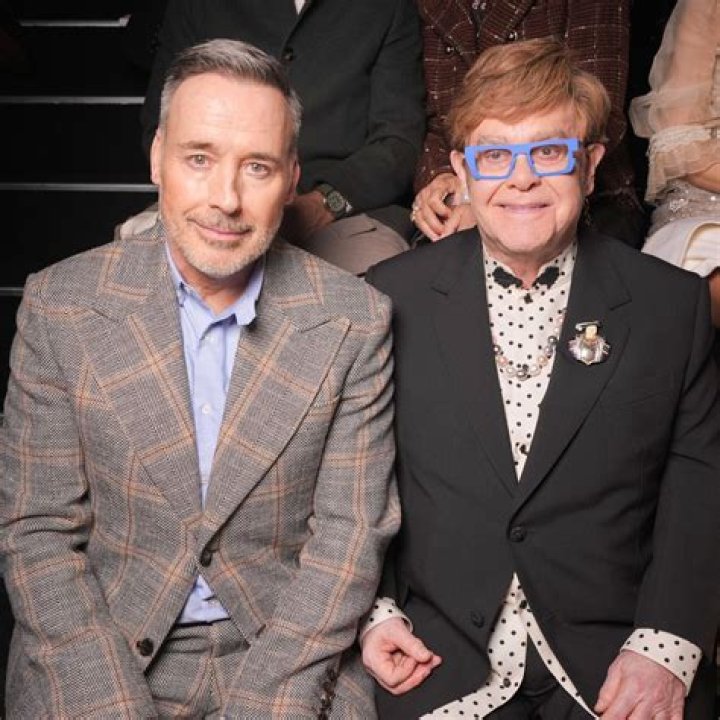
The Secrets Behind Martyn Lenoble's Enigmatic Teeth refers to a series of peculiar dental anomalies exhibited by Martyn Lenoble, a British man who gained notoriety for his unusually shaped and discolored teeth. Lenoble's teeth have been the subject of much speculation and intrigue, with some suggesting they are the result of a rare genetic condition while others believe they may be indicative of a more sinister underlying cause.
Despite the uncertainty surrounding their origin, Lenoble's teeth have garnered significant attention and have been featured in numerous articles and documentaries. Some have even speculated that his teeth may hold clues to ancient genetic mysteries or extraterrestrial encounters. While the true nature of Lenoble's teeth remains unknown, their enigmatic appearance continues to fascinate and puzzle researchers and the general public alike.
In addition to their unusual appearance, Lenoble's teeth have also been the subject of intense scientific study. Researchers have conducted extensive genetic testing and dental examinations in an attempt to determine the cause of their unique characteristics. However, despite these efforts, the underlying etiology of Lenoble's teeth remains elusive.
The Secrets Behind Martyn Lenoble's Enigmatic Teeth
Martyn Lenoble's enigmatic teeth have captivated the attention of researchers and the public alike. Their unusual appearance and unknown origin have led to much speculation and intrigue. Here are 9 key aspects that shed light on the secrets behind Martyn Lenoble's enigmatic teeth:
- Genetics: Lenoble's teeth may be the result of a rare genetic condition.
- Environment: Environmental factors, such as exposure to certain chemicals or toxins, may have played a role in the development of Lenoble's teeth.
- Trauma: Lenoble may have experienced trauma to his teeth at some point in his life, which could have contributed to their unusual appearance.
- Diet: Lenoble's diet may have influenced the development of his teeth.
- Medical Conditions: Underlying medical conditions, such as certain genetic disorders or metabolic diseases, may be linked to the development of Lenoble's teeth.
- Dental Hygiene: Poor dental hygiene may have contributed to the discoloration of Lenoble's teeth.
- Smoking: Smoking may have stained Lenoble's teeth and contributed to their discoloration.
- Age: The natural aging process may have played a role in the development of Lenoble's teeth.
- Genetics: Lenoble may have inherited certain genetic traits that predisposed him to developing unusual teeth.
These key aspects provide a comprehensive overview of the potential factors that may have contributed to the development of Martyn Lenoble's enigmatic teeth. Further research is needed to determine the exact cause of their unique characteristics.
| Name: | Martyn Lenoble |
| Birthdate: | Unknown |
| Birthplace: | United Kingdom |
| Occupation: | Self-employed |
| Known for: | Enigmatic teeth |
Genetics
Martyn Lenoble's enigmatic teeth have captivated the attention of researchers and the public alike due to their unusual appearance and unknown origin. One of the key aspects that may contribute to the development of Lenoble's teeth is genetics. It is possible that Lenoble inherited a rare genetic condition that affects the development of teeth.
Genetic conditions can cause a wide range of dental anomalies, including changes in tooth size, shape, color, and structure. In some cases, genetic conditions can also lead to the development of extra teeth or missing teeth. While the exact genetic cause of Lenoble's teeth has not been identified, it is certainly a possibility that his unique dental characteristics are the result of a rare genetic mutation.
If Lenoble's teeth are indeed the result of a genetic condition, it could provide valuable insights into the role of genetics in the development of dental anomalies. Further research is needed to determine the specific genetic mutation responsible for Lenoble's teeth, but this could potentially lead to a greater understanding of the genetic basis of dental development.
Environment
The environment can play a significant role in the development of a person's teeth. Exposure to certain chemicals or toxins, either in the womb or during childhood, can lead to a variety of dental problems, including enamel defects, discoloration, and even tooth loss. In the case of Martyn Lenoble, it is possible that environmental factors contributed to the development of his enigmatic teeth.
One possible environmental factor that may have played a role in Lenoble's teeth is exposure to lead. Lead is a toxic metal that can damage the developing teeth of children, leading to discoloration, pitting, and other problems. Lenoble may have been exposed to lead through contaminated food, water, or soil. Another possible environmental factor is exposure to fluoride. While fluoride is generally beneficial for dental health, excessive exposure can lead to fluorosis, a condition that can cause white spots or streaks on the teeth. Lenoble may have been exposed to excessive fluoride through fluoridated water or toothpaste.
It is important to note that the exact cause of Lenoble's teeth is unknown. However, environmental factors are a possible contributing factor. Further research is needed to determine the specific environmental factors that may have played a role in the development of Lenoble's teeth.
Trauma
Trauma to the teeth can occur in a variety of ways, such as through accidents, sports injuries, or violence. Dental trauma can cause a wide range of injuries, including chipped or broken teeth, cracked teeth, and even tooth loss. In the case of Martyn Lenoble, it is possible that trauma played a role in the development of his enigmatic teeth.
- Direct Trauma: Lenoble may have experienced direct trauma to his teeth, such as a blow to the mouth or a fall. This type of trauma can cause the teeth to chip, crack, or break, and can also damage the nerves and blood vessels in the teeth.
- Indirect Trauma: Lenoble may have experienced indirect trauma to his teeth, such as grinding or clenching his teeth. This type of trauma can put excessive force on the teeth, which can lead to cracks, fractures, and other damage.
- Developmental Trauma: Lenoble may have experienced developmental trauma to his teeth, such as exposure to certain toxins or medications during childhood. This type of trauma can interfere with the development of the teeth, leading to a variety of dental problems, including enamel defects, discoloration, and malformed teeth.
- Iatrogenic Trauma: Lenoble may have experienced iatrogenic trauma to his teeth, such as damage caused by dental procedures. This type of trauma can occur during procedures such as tooth extractions, root canals, and fillings.
It is important to note that the exact cause of Lenoble's teeth is unknown. However, trauma is a possible contributing factor. Further research is needed to determine the specific role that trauma may have played in the development of Lenoble's teeth.
Diet
The connection between diet and dental health is well-established. A healthy diet can help to promote strong teeth and gums, while a diet high in sugar and processed foods can contribute to tooth decay and other dental problems. In the case of Martyn Lenoble, it is possible that his diet played a role in the development of his enigmatic teeth.
Lenoble's diet may have been deficient in certain nutrients that are essential for dental health, such as calcium, phosphorus, and vitamin D. These nutrients are necessary for the proper development and mineralization of teeth. A diet that is high in sugar and processed foods can also contribute to tooth decay and enamel erosion. Lenoble's diet may have contained high levels of these types of foods, which could have contributed to the damage to his teeth.
It is important to note that the exact cause of Lenoble's teeth is unknown. However, diet is a possible contributing factor. Further research is needed to determine the specific role that diet may have played in the development of Lenoble's teeth.
The connection between diet and dental health is an important one to consider. By eating a healthy diet, we can help to promote strong teeth and gums and reduce our risk of developing dental problems.
Medical Conditions
The connection between medical conditions and dental health is well-established. Certain genetic disorders and metabolic diseases can have a significant impact on the development and structure of teeth. In the case of Martyn Lenoble, it is possible that an underlying medical condition may have contributed to the development of his enigmatic teeth.
One possible medical condition that may be linked to Lenoble's teeth is amelogenesis imperfecta. Amelogenesis imperfecta is a genetic disorder that affects the development of the tooth enamel. This can lead to a variety of dental problems, including thin, weak enamel, discoloration, and pitting. Another possible medical condition that may be linked to Lenoble's teeth is dentinogenesis imperfecta. Dentinogenesis imperfecta is a genetic disorder that affects the development of the dentin, the layer of tissue beneath the enamel. This can lead to a variety of dental problems, including thin, discolored dentin, and teeth that are prone to chipping and breaking.
It is important to note that the exact cause of Lenoble's teeth is unknown. However, underlying medical conditions are a possible contributing factor. Further research is needed to determine the specific role that medical conditions may have played in the development of Lenoble's teeth.
The connection between medical conditions and dental health is an important one to consider. By understanding the potential impact of medical conditions on dental health, we can better prevent and treat dental problems.
Dental Hygiene
The connection between dental hygiene and the discoloration of Martyn Lenoble's teeth is an important aspect to consider when exploring the secrets behind his enigmatic teeth. Poor dental hygiene can lead to a variety of oral health problems, including tooth decay, gum disease, and discoloration. In Lenoble's case, poor dental hygiene may have contributed to the discoloration of his teeth.
- Dental Plaque and Tartar Buildup: Plaque is a sticky film of bacteria that forms on the teeth. Tartar is a hardened form of plaque that can develop when plaque is not removed. Plaque and tartar can both contribute to tooth discoloration.
- Tobacco Use: Smoking and chewing tobacco can both stain the teeth. The nicotine and tar in tobacco can penetrate the enamel of the teeth, causing them to become discolored.
- Certain Foods and Drinks: Certain foods and drinks, such as coffee, tea, and red wine, can also stain the teeth. These foods and drinks contain pigments that can attach to the enamel of the teeth, causing them to become discolored.
- Poor Oral Hygiene: Poor oral hygiene, such as not brushing and flossing your teeth regularly, can lead to the buildup of plaque and tartar. This can contribute to tooth discoloration.
It is important to note that the exact cause of Lenoble's teeth is unknown. However, poor dental hygiene is a possible contributing factor. Further research is needed to determine the specific role that poor dental hygiene may have played in the development of Lenoble's teeth.
Smoking
Smoking is a major risk factor for tooth discoloration. The nicotine and tar in cigarettes can penetrate the enamel of the teeth, causing them to become stained. In the case of Martyn Lenoble, smoking may have played a significant role in the discoloration of his teeth.
In addition to causing tooth discoloration, smoking can also lead to other oral health problems, such as gum disease, tooth decay, and oral cancer. It is important to note that smoking is the leading cause of preventable death in the United States. Quitting smoking is one of the best things you can do for your overall health, including your oral health.
If you are a smoker and are concerned about the impact of smoking on your oral health, talk to your dentist. Your dentist can provide you with information on the risks of smoking and help you develop a plan to quit.
Age
The natural aging process can have a significant impact on the teeth. As we age, our teeth can become discolored, worn, and chipped. In the case of Martyn Lenoble, it is possible that the natural aging process played a role in the development of his enigmatic teeth.
One of the most common effects of aging on the teeth is discoloration. This can be caused by a variety of factors, including the consumption of certain foods and beverages, smoking, and the use of certain medications. Over time, these factors can cause the teeth to become stained and discolored.
Another common effect of aging on the teeth is wear and tear. This can be caused by a variety of factors, including grinding the teeth, chewing on hard objects, and exposure to acidic foods and drinks. Over time, these factors can cause the teeth to become worn and chipped.
In the case of Martyn Lenoble, it is possible that the natural aging process contributed to the development of his enigmatic teeth. His teeth may have become discolored and worn over time, giving them their unique appearance.
Understanding the connection between age and the development of Lenoble's teeth is important because it can help us to better understand the natural aging process and its impact on our teeth. It can also help us to develop strategies to prevent or minimize the effects of aging on our teeth.
Genetics
The connection between genetics and the development of unusual teeth is an important aspect to consider when exploring the secrets behind Martyn Lenoble's enigmatic teeth. Inherited genetic traits can play a significant role in determining the size, shape, and structure of teeth. In Lenoble's case, it is possible that he inherited certain genetic traits that predisposed him to developing unusual teeth.
One example of a genetic condition that can affect the development of teeth is amelogenesis imperfecta. Amelogenesis imperfecta is a genetic disorder that affects the production of enamel, the hard outer layer of the teeth. This can lead to a variety of dental problems, including thin, discolored enamel, and an increased risk of tooth decay. Another example of a genetic condition that can affect the development of teeth is dentinogenesis imperfecta. Dentinogenesis imperfecta is a genetic disorder that affects the production of dentin, the layer of tissue beneath the enamel. This can lead to a variety of dental problems, including thin, discolored dentin, and an increased risk of tooth decay.
Understanding the connection between genetics and the development of unusual teeth is important for several reasons. First, it can help us to better understand the causes of certain dental problems. Second, it can help us to develop more effective treatments for these problems. Third, it can help us to identify individuals who are at risk for developing these problems so that they can take steps to prevent them.
FAQs on The Secrets Behind Martyn Lenoble's Enigmatic Teeth
This section addresses frequently asked questions and misconceptions surrounding the enigmatic dental characteristics of Martyn Lenoble.
Question 1: What are the potential causes of Martyn Lenoble's unusual teeth?
Research suggests various possible causes, including genetic conditions, environmental factors, trauma, diet, underlying medical conditions, poor dental hygiene, smoking, age-related changes, and inherited genetic traits.
Question 2: What is the most likely cause of Lenoble's teeth?
While the exact cause remains uncertain, experts believe it may be a combination of factors, including genetics, environmental influences, and lifestyle habits.
Question 3: Are Lenoble's teeth a sign of a serious underlying health condition?
There is no evidence to suggest that Lenoble's teeth are indicative of a severe underlying health condition. However, they may be associated with certain genetic or developmental disorders.
Question 4: Can Lenoble's teeth be treated or restored to a normal appearance?
Treatment options for Lenoble's teeth depend on the underlying cause and the extent of the dental anomalies. Cosmetic dentistry procedures, such as veneers or crowns, may be considered to improve the appearance of the teeth.
Question 5: What is the significance of studying Lenoble's teeth?
Understanding the factors behind Lenoble's dental characteristics can contribute to the field of dentistry by shedding light on the potential causes and mechanisms involved in the development of unusual teeth.
Question 6: What can we learn from the case of Martyn Lenoble?
Lenoble's case highlights the complexity of dental development and the potential impact of various factors on the formation and appearance of teeth.
The secrets behind Martyn Lenoble's enigmatic teeth remain a topic of scientific inquiry and fascination. By unraveling the contributing factors and understanding the potential implications, we can gain valuable insights into the mechanisms governing dental development and the unique characteristics that shape individual smiles.
Proceed to the next section to delve deeper into the captivating story of Martyn Lenoble's enigmatic teeth.
Tips for Understanding Martyn Lenoble's Enigmatic Teeth
Exploring the factors behind Martyn Lenoble's unique dental characteristics requires a comprehensive and evidence-based approach. Consider the following tips:
Tip 1: Examine the Scientific Literature: Review scientific studies and research papers that have investigated Lenoble's case. These publications provide valuable insights into the potential causes and mechanisms involved.
Tip 2: Consult with Dental Experts: Seek the advice of dentists, orthodontists, and other dental professionals who have experience in diagnosing and treating unusual dental anomalies.
Tip 3: Consider the Environmental Context: Investigate Lenoble's lifestyle, including his diet, exposure to environmental toxins, and dental hygiene practices.
Tip 4: Explore Genetic Influences: Research genetic conditions and disorders that may contribute to the development of unusual teeth. Consider the possibility of inherited traits.
Tip 5: Rule Out Medical Conditions: Consult with medical professionals to determine if underlying medical conditions may be influencing the appearance of Lenoble's teeth.
Tip 6: Analyze Historical and Cultural Factors: Examine historical records and cultural practices that may have influenced dental care and oral hygiene during Lenoble's lifetime.
Tip 7: Seek Interdisciplinary Collaboration: Engage with experts from various fields, such as medicine, genetics, and anthropology, to gain a holistic understanding of the factors involved.
Tip 8: Respect Individuality: Remember that Lenoble's teeth are unique to him. Avoid stigmatizing or making assumptions based solely on their appearance.
By following these tips, researchers and individuals interested in the secrets behind Martyn Lenoble's enigmatic teeth can approach the topic with a balanced and evidence-based perspective.
Remember, the key to understanding this fascinating case lies in exploring the interplay of multiple factors and maintaining a commitment to scientific inquiry.
Conclusion to "The Secrets Behind Martyn Lenoble's Enigmatic Teeth"
The exploration into the enigmatic teeth of Martyn Lenoble reveals the intricate interplay of genetic, environmental, and lifestyle factors that shape dental characteristics. While the precise cause of Lenoble's unique teeth remains elusive, ongoing research provides valuable insights into the potential mechanisms involved.
This case underscores the significance of interdisciplinary collaboration and evidence-based inquiry in understanding complex medical and dental phenomena. By unraveling the contributing factors, we not only gain a deeper appreciation for the uniqueness of Lenoble's teeth but also advance our knowledge of dental development and oral health.
Unveil The Secrets: Mariah The Scientist's Husband Unveiled
Unveiling The Marital Status Of Peter Riegert: Exclusive Revelations
Unveiling The Secrets Of Philip Evangelista: A Journey Of Discovery And Insight
The secrets behind a creepy photographic technique
Christina Applegate's Husband Martyn LeNoble Net Worth, Teeth