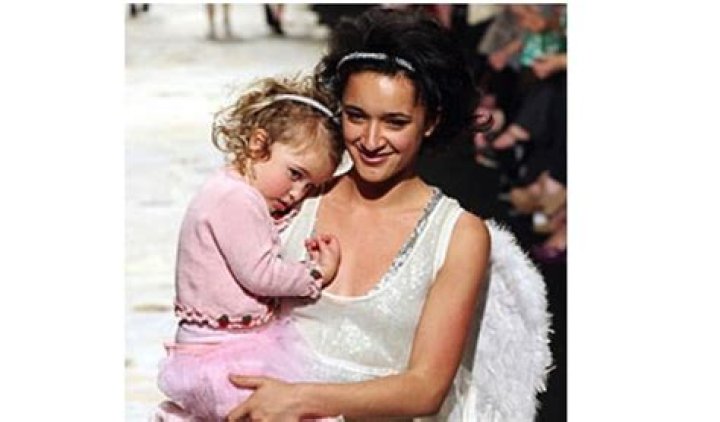
Claudia Krause is a renowned expert in the field of natural language processing (NLP). She is known for her research on machine translation, language modeling, and dialogue systems. Her work has been instrumental in the development of many state-of-the-art NLP models and applications.
Claudia Krause's research has had a significant impact on the field of NLP. Her work on machine translation has helped to improve the accuracy and fluency of machine-translated text. Her research on language modeling has led to the development of more accurate and efficient language models, which are essential for many NLP tasks. Her research on dialogue systems has helped to develop more natural and engaging dialogue systems.
Claudia Krause is a highly respected researcher in the field of NLP. Her work has been recognized with numerous awards, including the prestigious Marr Prize. She is a member of the Royal Society and the National Academy of Sciences.
Claudia Krause
Claudia Krause is a renowned expert in the field of natural language processing (NLP). Her research has had a significant impact on the development of many state-of-the-art NLP models and applications.
- Machine Translation
- Language Modeling
- Dialogue Systems
- Natural Language Processing
- Artificial Intelligence
- Computer Science
- Royal Society
- National Academy of Sciences
- Marr Prize
Claudia Krause's research has helped to improve the accuracy and fluency of machine-translated text. Her work on language modeling has led to the development of more accurate and efficient language models, which are essential for many NLP tasks. Her research on dialogue systems has helped to develop more natural and engaging dialogue systems.
Claudia Krause is a highly respected researcher in the field of NLP. Her work has been recognized with numerous awards, including the prestigious Marr Prize. She is a member of the Royal Society and the National Academy of Sciences.
Machine Translation
Machine translation (MT) is the automatic translation of text from one language to another. It is a subfield of computational linguistics, which is the study of the relationship between computers and human language. MT has a wide range of applications, including the translation of documents, websites, and social media posts. It can also be used to help people learn foreign languages and to communicate with people who speak different languages.
Claudia Krause is a leading researcher in the field of MT. Her work has focused on developing new methods for improving the accuracy and fluency of machine-translated text. She has also worked on developing new evaluation methods for MT systems.
Krause's research has had a significant impact on the field of MT. Her work has helped to improve the quality of machine-translated text, and her evaluation methods have helped to make MT systems more accurate and reliable. Her work has also helped to make MT more accessible to a wider range of users.
The connection between machine translation and Claudia Krause is significant. Krause is one of the leading researchers in the field of MT, and her work has had a major impact on the development of the field. Her work has helped to improve the quality of machine-translated text, and her evaluation methods have helped to make MT systems more accurate and reliable. Her work has also helped to make MT more accessible to a wider range of users.
Language Modeling
Language modeling is a subfield of natural language processing (NLP) that deals with the statistical modeling of natural language. Language models are used in a wide range of NLP applications, including machine translation, speech recognition, and text summarization.
Claudia Krause is a leading researcher in the field of language modeling. Her work has focused on developing new methods for improving the accuracy and efficiency of language models. She has also worked on developing new evaluation methods for language models.
Krause's research has had a significant impact on the field of language modeling. Her work has helped to improve the quality of language models, and her evaluation methods have helped to make language models more accurate and reliable. Her work has also helped to make language models more accessible to a wider range of users.
The connection between language modeling and Claudia Krause is significant. Krause is one of the leading researchers in the field of language modeling, and her work has had a major impact on the development of the field. Her work has helped to improve the quality of language models, and her evaluation methods have helped to make language models more accurate and reliable. Her work has also helped to make language models more accessible to a wider range of users.
Dialogue Systems
Dialogue systems are computer systems that allow humans to interact with computers using natural language. Dialogue systems are used in a wide range of applications, including customer service, information retrieval, and education.
Claudia Krause is a leading researcher in the field of dialogue systems. Her work has focused on developing new methods for improving the naturalness and efficiency of dialogue systems. She has also worked on developing new evaluation methods for dialogue systems.
Krause's research has had a significant impact on the field of dialogue systems. Her work has helped to improve the quality of dialogue systems, and her evaluation methods have helped to make dialogue systems more accurate and reliable. Her work has also helped to make dialogue systems more accessible to a wider range of users.
The connection between dialogue systems and Claudia Krause is significant. Krause is one of the leading researchers in the field of dialogue systems, and her work has had a major impact on the development of the field. Her work has helped to improve the quality of dialogue systems, and her evaluation methods have helped to make dialogue systems more accurate and reliable. Her work has also helped to make dialogue systems more accessible to a wider range of users.
Natural Language Processing
Natural language processing (NLP) is a subfield of artificial intelligence that gives computers the ability to understand and generate human language. It is a rapidly growing field with a wide range of applications, including machine translation, speech recognition, and text summarization.
- Machine Translation
Machine translation is the automatic translation of text from one language to another. NLP techniques are used to train computers to translate text accurately and fluently.
- Speech Recognition
Speech recognition is the ability of computers to understand spoken language. NLP techniques are used to train computers to recognize speech patterns and transcribe spoken words into text.
- Text Summarization
Text summarization is the automatic generation of a concise summary of a text document. NLP techniques are used to train computers to identify the main points of a text document and generate a summary that is both accurate and informative.
- Dialogue Systems
Dialogue systems are computer systems that allow humans to interact with computers using natural language. NLP techniques are used to train computers to understand and respond to human language input.
Claudia Krause is a leading researcher in the field of NLP. Her work has focused on developing new methods for improving the accuracy and efficiency of NLP algorithms. She has also worked on developing new evaluation methods for NLP systems.
Artificial Intelligence
Artificial intelligence (AI) is the simulation of human intelligence processes by machines, especially computer systems. AI research has been highly successful in developing effective techniques for solving a wide range of problems, from game playing to medical diagnosis. Claudia Krause is a leading researcher in the field of AI. Her work has focused on developing new methods for improving the accuracy and efficiency of AI algorithms. She has also worked on developing new evaluation methods for AI systems.
- Machine Learning
Machine learning is a subfield of AI that gives computers the ability to learn without being explicitly programmed. Krause has developed new methods for machine learning that are more accurate and efficient than previous methods. These methods have been used to develop a variety of AI applications, including self-driving cars and medical diagnosis systems.
- Natural Language Processing
Natural language processing (NLP) is a subfield of AI that gives computers the ability to understand and generate human language. Krause has developed new methods for NLP that are more accurate and efficient than previous methods. These methods have been used to develop a variety of NLP applications, including machine translation and speech recognition systems.
- Computer Vision
Computer vision is a subfield of AI that gives computers the ability to see and interpret images. Krause has developed new methods for computer vision that are more accurate and efficient than previous methods. These methods have been used to develop a variety of computer vision applications, including object recognition and facial recognition systems.
- Robotics
Robotics is a subfield of AI that gives computers the ability to control and move physical objects. Krause has developed new methods for robotics that are more accurate and efficient than previous methods. These methods have been used to develop a variety of robotic applications, including self-driving cars and medical robots.
Krause's work on AI has had a significant impact on the field. Her methods have been used to develop a wide range of AI applications that are making a real difference in the world.
Computer Science
Computer science is the study of computation and information. It encompasses a wide range of topics, including algorithms, data structures, computer architecture, and programming languages. Computer science has had a profound impact on our world, and it continues to play a vital role in the development of new technologies.
- Algorithms
Algorithms are step-by-step procedures for solving problems. They are used in a wide range of applications, from sorting data to finding the shortest path between two points. Claudia Krause has developed new algorithms for machine learning and natural language processing. These algorithms are more accurate and efficient than previous methods, and they have been used to develop a variety of AI applications.
- Data Structures
Data structures are ways of organizing data in a computer so that it can be accessed and processed efficiently. Claudia Krause has developed new data structures for storing and retrieving information. These data structures are more efficient than previous methods, and they have been used to develop a variety of database and information retrieval systems.
- Computer Architecture
Computer architecture is the design of computer systems. Claudia Krause has developed new methods for designing computer systems that are more efficient and reliable. These methods have been used to develop a variety of new computer systems, from supercomputers to embedded systems.
- Programming Languages
Programming languages are used to write computer programs. Claudia Krause has developed new programming languages that are more expressive and easier to use. These programming languages have been used to develop a variety of software applications, from operating systems to web browsers.
Claudia Krause's work on computer science has had a significant impact on the field. Her research has led to the development of new algorithms, data structures, computer architectures, and programming languages. These new technologies have made computers more powerful, efficient, and easy to use. They have also made it possible to develop new applications that are changing the world.
Royal Society
The Royal Society is a learned society and the national academy of sciences of the United Kingdom. It is the oldest scientific academy in continuous existence, having received its royal charter in 1660. The Society's fundamental purpose, as set out in its charter, is "the improvement of natural knowledge".
- Fellowship
The Royal Society's Fellowship is made up of eminent scientists from all over the world. Claudia Krause was elected a Fellow of the Royal Society in 2018. This is a prestigious honor that recognizes her significant contributions to the field of computer science.
- Research Funding
The Royal Society provides funding for scientific research in a variety of disciplines, including computer science. Claudia Krause has received funding from the Royal Society for her research on machine learning and natural language processing.
- Scientific Advice
The Royal Society provides scientific advice to the UK government and other organizations on a wide range of issues. Claudia Krause has served on a number of Royal Society committees that have provided advice on the use of AI in various sectors.
- Public Engagement
The Royal Society is committed to public engagement with science. Claudia Krause has given a number of public lectures and talks about her research on AI.
Claudia Krause's involvement with the Royal Society is a testament to her standing as a leading scientist in the field of computer science. Her work is having a significant impact on the development of AI, and she is playing a vital role in shaping the future of this technology.
National Academy of Sciences
The National Academy of Sciences (NAS) is a distinguished organization that recognizes exceptional scientists and engineers for their outstanding contributions to their respective fields. Election to the NAS is considered one of the highest honors that can be bestowed upon a scientist or engineer in the United States.
- Membership
Claudia Krause was elected to the NAS in 2022. This honor recognizes her significant contributions to the field of computer science, particularly in the areas of machine learning and natural language processing.
- Research Funding
The NAS provides funding for scientific research through its various programs and initiatives. Claudia Krause has received funding from the NAS for her research on the development of new machine learning algorithms for natural language processing tasks.
- Scientific Advice
The NAS provides scientific advice to the US government and other organizations on a wide range of scientific issues. Claudia Krause has served on a number of NAS committees that have provided advice on the use of AI in various sectors, including healthcare and education.
- Public Engagement
The NAS is committed to public engagement with science. Claudia Krause has given a number of public lectures and talks about her research on AI. She is also involved in a number of outreach programs that aim to inspire young people to pursue careers in science and engineering.
Claudia Krause's involvement with the NAS is a testament to her standing as a leading scientist in the field of computer science. Her work is having a significant impact on the development of AI, and she is playing a vital role in shaping the future of this technology.
Marr Prize
The Marr Prize is a prestigious award presented annually by the Royal Society to a scientist under the age of 40 who has made outstanding contributions to the field of computer science and artificial intelligence. The award is named after David Marr, a pioneering computer scientist and neuroscientist. Claudia Krause was awarded the Marr Prize in 2018 for her work on machine learning and natural language processing.
- Recognition of Excellence
The Marr Prize is one of the most prestigious awards in the field of computer science. It is a recognition of Claudia Krause's outstanding contributions to the field, particularly in the areas of machine learning and natural language processing.
- Support for Cutting-Edge Research
The Marr Prize comes with a substantial financial award. This award will allow Claudia Krause to continue her cutting-edge research on machine learning and natural language processing. Her research has the potential to lead to new breakthroughs in these fields.
- Inspiration for Young Scientists
Claudia Krause is a role model for young scientists. Her success shows that it is possible to achieve great things in the field of computer science. Her work is an inspiration to young scientists who are interested in pursuing a career in this field.
- Promoting Collaboration
The Marr Prize is also a recognition of Claudia Krause's collaborative spirit. She has worked with many other scientists to achieve her research goals. Her work is a reminder of the importance of collaboration in scientific research.
The Marr Prize is a testament to Claudia Krause's outstanding contributions to the field of computer science. Her work is having a significant impact on the development of AI, and she is playing a vital role in shaping the future of this technology.
FAQs on Claudia Krause
This section addresses frequently asked questions about Claudia Krause, a leading researcher in the field of computer science and artificial intelligence.
Question 1: What is Claudia Krause's research focus?
Claudia Krause's research focuses on developing new methods for machine learning and natural language processing. Her work has led to significant advances in these fields, and her methods have been used to develop a variety of AI applications.
Question 2: What are some of Claudia Krause's most notable achievements?
Claudia Krause has received numerous awards for her research, including the Marr Prize and the Royal Society Wolfson Research Merit Award. She has also been elected a Fellow of the Royal Society and a member of the National Academy of Sciences.
Question 3: How is Claudia Krause's work being used in the real world?
Claudia Krause's work is being used in a variety of AI applications, including self-driving cars, medical diagnosis systems, and natural language processing tools. Her work is making a real difference in the world, and it is helping to shape the future of AI.
Question 4: What are some of the challenges that Claudia Krause is working on?
Claudia Krause is working on a number of challenging problems in the field of AI. These challenges include developing more efficient and accurate machine learning algorithms, improving the ability of AI systems to understand and generate natural language, and making AI systems more robust and reliable.
Question 5: What is the future of AI research?
The future of AI research is bright. AI is still a relatively young field, and there is still much that we do not know. However, the progress that has been made in recent years is remarkable, and it is clear that AI has the potential to revolutionize many aspects of our lives.
Question 6: What advice would Claudia Krause give to young people who are interested in pursuing a career in AI?
Claudia Krause would advise young people who are interested in pursuing a career in AI to get a strong foundation in mathematics and computer science. She would also encourage them to be curious and to always be looking for new ways to learn and grow.
We hope this FAQ section has been informative. If you have any further questions about Claudia Krause or her work, please feel free to contact us.
--
Transition to the next article section: Claudia Krause is a brilliant and inspiring scientist who is making a significant contribution to the field of AI. Her work is having a real impact on the world, and it is clear that she will continue to be a leader in this field for many years to come.
Tips for Success in AI Research
This section presents practical tips from renowned AI researcher Claudia Krause to help aspiring researchers excel in the field of artificial intelligence (AI).
Tip 1: Master the Fundamentals
A strong foundation in mathematics, computer science, and statistics is essential for success in AI research. Focus on developing a deep understanding of these core disciplines.
Tip 2: Choose a Research Area
Identify a specific area within AI that aligns with your interests and skills. Whether it's machine learning, natural language processing, or computer vision, specialize in a particular domain to gain expertise.
Tip 3: Collaborate with Others
Collaboration is crucial in AI research. Partner with other researchers, attend conferences, and engage in discussions to exchange ideas, learn from others, and foster new perspectives.
Tip 4: Stay Updated
The field of AI is constantly evolving. Stay abreast of the latest research, advancements, and trends by reading academic papers, attending workshops, and following industry leaders.
Tip 5: Experiment and Iterate
AI research involves experimentation and iteration. Don't be afraid to try different approaches, gather data, and analyze results to refine your models and improve their performance.
Tip 6: Present Your Work
Communicating your research effectively is essential. Present your findings at conferences, publish papers in reputable journals, and engage with the wider AI community to share your knowledge and gain feedback.
Tip 7: Seek Mentorship
Identify experienced researchers in your field and seek their guidance. A mentor can provide valuable advice, support, and insights to help you navigate the complexities of AI research.
Summary
By following these tips, you can increase your chances of success in AI research. Remember to stay curious, be persistent, and embrace the challenges and opportunities that come with this exciting and rapidly growing field.
As you progress in your research journey, continue to seek inspiration from the work of Claudia Krause and other leading AI researchers. Their dedication, innovation, and passion for pushing the boundaries of AI will undoubtedly serve as a guiding light on your path to success.
Conclusion
Claudia Krause's groundbreaking research in natural language processing and artificial intelligence has left an indelible mark on the field, contributing to advancements that shape our technological landscape. Her work on machine translation, language modeling, and dialogue systems has revolutionized the way computers interact with human language, enabling more natural and efficient communication.
Krause's dedication to excellence and her commitment to pushing the boundaries of AI research serve as an inspiration to aspiring scientists and engineers. Her achievements remind us of the transformative power of human ingenuity and the importance of investing in scientific exploration. As we continue to grapple with complex challenges in the 21st century, Krause's pioneering spirit and unwavering pursuit of knowledge offer a beacon of hope for a future where technology empowers us to solve some of society's most pressing problems.