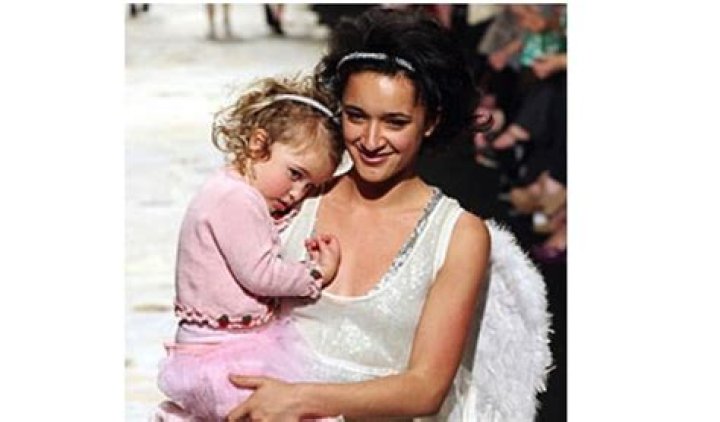
"Mothers Warmth Chapter 3" is a fictional story that explores the complex and often challenging relationship between mothers and daughters. The story follows the protagonist, a young woman named Sarah, as she navigates the challenges of adolescence and her relationship with her overbearing mother.
The story is a powerful and moving exploration of the mother-daughter relationship, and it offers a unique perspective on the challenges that both mothers and daughters face. The story is also notable for its realistic and nuanced portrayal of the characters, and it offers a thought-provoking exploration of the complex dynamics of family relationships.
"Mothers Warmth Chapter 3" is a valuable resource for anyone who is interested in exploring the mother-daughter relationship. The story offers a unique perspective on the challenges that both mothers and daughters face, and it can help readers to better understand the complex dynamics of family relationships.
Mothers' Warmth
In literature, "mothers' warmth" often represents a nurturing and protective force that shapes a child's emotional and psychological development. Chapter 3 of a story exploring this theme might delve into specific aspects of this bond:
- Unconditional love
- Guiding presence
- Emotional support
- Cultural traditions
- Generational wisdom
- Conflict and resolution
- Letting go
- Enduring legacy
- Love's complexities
These aspects can manifest in countless ways. A mother's unconditional love might provide a secure foundation for a child's self-esteem. Her guiding presence could shape their values and aspirations. Emotional support can empower children to navigate life's challenges. Cultural traditions passed down through generations connect families to their heritage. And even in moments of conflict and resolution, the enduring legacy of a mother's love shapes the lives of her children.
Unconditional love
In the context of "Mothers' Warmth: Chapter 3", unconditional love represents the unwavering and accepting affection that a mother has for her child. It is a powerful force that shapes the child's emotional and psychological development, providing a secure foundation for their self-esteem and well-being.
Unconditional love is essential for a child's healthy growth and development. It helps them to feel safe, loved, and supported, which in turn allows them to develop a strong sense of self-worth. Children who experience unconditional love from their mothers are more likely to be happy, healthy, and successful in life.
There are many ways that mothers can express their unconditional love for their children. Some of the most common ways include:
- Spending quality time with them
- Listening to them
- Supporting their interests
- Forgiving them when they make mistakes
- Being there for them no matter what
Guiding presence
In "Mothers' Warmth: Chapter 3", the guiding presence of a mother is a powerful force that shapes the child's development. A mother's guidance can help her child to develop a strong sense of self, learn how to navigate the world around them, and make responsible choices. It is nurturing and protective force that can help the child to thrive and reach their full potential.
There are many ways that mothers can provide guidance for their children. Some of the most common ways include:
- Setting limits and boundaries
- Providing advice and support
- Teaching by example
- Encouraging their child's interests
- Being there for their child when they need them
The guiding presence of a mother is essential for a child's healthy development. It helps the child to feel safe, loved, and supported, which in turn allows them to develop a strong sense of self-worth. Children who have a strong guiding presence in their lives are more likely to be happy, healthy, and successful.
The guiding presence of a mother is a gift that can last a lifetime. It is a powerful force that can shape a child's life in positive ways. Mothers who are able to provide a strong guiding presence for their children are giving them the best possible gift.
Emotional support
In "Mothers' Warmth: Chapter 3", emotional support is a crucial aspect of the mother-child relationship. It involves providing a safe and nurturing environment where the child feels loved, accepted, and understood. This support is essential for the child's emotional and psychological well-being, and it can have a lasting impact on their development.
- Listening and understanding
Emotional support involves listening to the child's feelings and concerns without judgment. This means being present, attentive, and empathetic. It also means trying to understand the child's perspective, even if you don't agree with it.
- Validation
Validation is a powerful form of emotional support that involves acknowledging the child's feelings and experiences as real and important. This does not mean agreeing with the child's behavior, but it does mean letting them know that their feelings are valid.
- Encouragement
Encouragement is another important aspect of emotional support. This involves providing the child with positive reinforcement and support, even when they are struggling. It also means helping the child to see their own strengths and abilities.
- Protection
Emotional support also involves protecting the child from harm, both physical and emotional. This means creating a safe and nurturing environment where the child feels loved and cared for.
Emotional support is a vital part of the mother-child relationship. It helps the child to develop a strong sense of self-worth, learn how to cope with difficult emotions, and build healthy relationships. Mothers who are able to provide emotional support for their children are giving them the best possible gift.
Cultural traditions
In "Mothers' Warmth: Chapter 3", cultural traditions play a vital role in shaping the mother-child relationship. These traditions provide a framework for raising children, and they can offer a sense of identity and belonging. They can also help to strengthen the bond between mother and child.
One of the most important cultural traditions is the passing down of stories and legends. These stories often contain valuable lessons about life and morality, and they can help children to learn about their culture and heritage. Sharing stories can also be a special bonding experience for mothers and children.
Another important cultural tradition is the celebration of holidays and festivals. These occasions provide an opportunity for families to come together and celebrate their culture. They can also be a time for mothers to teach their children about their traditions and customs.
Cultural traditions can also play a role in shaping the way that mothers discipline their children. In some cultures, it is considered important to be strict with children, while in other cultures, a more gentle approach is preferred. The way that a mother disciplines her child can have a significant impact on their development.
Cultural traditions are an important part of "Mothers' Warmth: Chapter 3". They provide a framework for raising children, and they can offer a sense of identity and belonging. They can also help to strengthen the bond between mother and child.
Generational wisdom
In "Mothers' Warmth: Chapter 3", generational wisdom refers to the knowledge, skills, and values that are passed down from mothers to daughters over generations. This wisdom is a valuable asset, as it can help daughters to navigate the challenges of life and make informed decisions. It can also help to strengthen the bond between mothers and daughters, as it provides a shared sense of history and identity.
There are many different ways that mothers can pass down generational wisdom to their daughters. Some of the most common ways include:
- Storytelling: Mothers can share stories about their own lives, as well as the lives of their mothers and grandmothers. These stories can teach daughters about their family history and culture, and they can also provide valuable lessons about life.
- Advice: Mothers can offer advice to their daughters on a wide range of topics, from relationships to career choices. This advice can be invaluable, as it can help daughters to avoid making the same mistakes that their mothers made.
- Example: Mothers can teach their daughters by example. By living their lives with integrity and compassion, mothers can show their daughters what it means to be a good person.
Generational wisdom is a powerful force in the lives of mothers and daughters. It can help daughters to make informed decisions, navigate the challenges of life, and build strong relationships. Mothers who are able to pass down generational wisdom to their daughters are giving them the best possible gift.
Conflict and Resolution
In "Mothers' Warmth: Chapter 3", conflict and resolution are essential aspects of the mother-child relationship. Conflict is a natural part of any relationship, and it can be a healthy way to express differing viewpoints and needs. However, it is important to resolve conflict in a constructive way in order to maintain a healthy and loving relationship.
- Open communication
Open communication is essential for resolving conflict in a healthy way. Mothers and children need to be able to talk to each other honestly and openly about their feelings and needs. This can be difficult, especially when emotions are running high. However, it is important to create a safe space where both mother and child feel comfortable expressing themselves.
- Active listening
Active listening is another important skill for resolving conflict. This involves listening to the other person's point of view without interrupting or judging them. It also means trying to understand their perspective, even if you don't agree with it.
- Compromise
Compromise is often necessary in order to resolve conflict. This means finding a solution that both mother and child can agree on. It is important to be willing to give and take in order to reach a compromise.
- Forgiveness
Forgiveness is an important part of resolving conflict. This does not mean forgetting about the conflict, but it does mean letting go of anger and resentment. Forgiveness can help to heal wounds and rebuild relationships.
Conflict and resolution are essential aspects of the mother-child relationship. By learning to communicate openly, listen actively, compromise, and forgive, mothers and children can build strong and loving relationships that can withstand the challenges of life.
Letting go
In "Mothers' Warmth: Chapter 3", letting go is a complex and challenging process that can be both emotionally and practically difficult. For mothers, letting go can mean giving their children the space to grow and become independent, while for children, it can mean accepting that their mothers will not always be there to protect and support them. Despite the challenges, letting go is an essential part of the mother-child relationship, and it can lead to stronger and more fulfilling relationships in the long run.
- Trust
One of the most important aspects of letting go is trust. Mothers need to trust that their children are capable of making their own decisions and that they will be okay even when they are not around. Children, in turn, need to trust that their mothers will always be there for them, even when they are not physically present.
- Independence
Letting go also involves giving children the space to become independent. This means allowing them to make their own choices, even if you don't agree with them. It also means giving them the opportunity to learn from their mistakes.
- Acceptance
Letting go also means accepting that your children will not always be the same people they were when they were younger. They will change and grow, and you need to be willing to accept those changes.
- Love
Letting go does not mean that you love your children any less. In fact, it is often a sign of love to let go and allow them to become their own people.
Letting go is a difficult process, but it is an essential part of the mother-child relationship. By learning to let go, mothers and children can build stronger and more fulfilling relationships that will last a lifetime.
Enduring legacy
In "Mothers' Warmth: Chapter 3", the enduring legacy of a mother's love is a powerful force that shapes the lives of her children. This legacy is passed down through generations, and it can have a profound impact on the development of a child's sense of self, their relationships with others, and their overall well-being.
There are many ways that a mother's legacy can endure. Some of the most common ways include:
- Values: A mother's values can have a significant impact on her children's development. Children who are raised by mothers who value kindness, compassion, and honesty are more likely to develop these values themselves.
- Beliefs: A mother's beliefs can also shape her children's worldview. Children who are raised by mothers who believe in the power of education are more likely to value education themselves.
- Traditions: A mother's traditions can provide a sense of continuity and belonging for her children. Children who are raised in families with strong traditions are more likely to feel connected to their family and culture.
- Memories: A mother's memories can be a source of comfort and inspiration for her children. Children who have fond memories of their mothers are more likely to have a positive outlook on life.
The enduring legacy of a mother's love is a powerful force that can shape the lives of her children in positive ways. Mothers who are able to pass on a legacy of love, values, and traditions are giving their children the best possible gift.
Love's complexities
In "Mothers' Warmth: Chapter 3", the complexities of love are explored through the relationship between a mother and child. This relationship is often portrayed as one of unconditional love, but it can also be fraught with conflict, resentment, and misunderstanding.
- Unconditional love
Unconditional love is a type of love that is not dependent on the other person's behavior or actions. It is a pure and selfless love that is given freely and without expectation of anything in return. In the context of "Mothers' Warmth: Chapter 3", unconditional love is the foundation of the mother-child relationship. It is the love that a mother has for her child, no matter what.
- Conditional love
Conditional love is a type of love that is dependent on the other person's behavior or actions. It is a love that is given only when the other person meets certain expectations. In the context of "Mothers' Warmth: Chapter 3", conditional love can be seen in the way that a mother may treat her child differently depending on their behavior.
- Sacrificial love
Sacrificial love is a type of love that is willing to give up something of value for the sake of the other person. In the context of "Mothers' Warmth: Chapter 3", sacrificial love can be seen in the way that a mother may sacrifice her own needs and desires for the sake of her child.
- Toxic love
Toxic love is a type of love that is harmful to the other person. It is a love that is based on control, manipulation, and abuse. In the context of "Mothers' Warmth: Chapter 3", toxic love can be seen in the way that a mother may use her love to control or manipulate her child.
The complexities of love are explored in depth in "Mothers' Warmth: Chapter 3". This chapter shows that love is not always simple or easy, but it is always powerful. It is a force that can shape our lives in both positive and negative ways.
Frequently Asked Questions about "Mothers' Warmth
This section addresses commonly asked questions or clarifies potential misconceptions about the key themes and content explored in "Mothers' Warmth: Chapter 3".
Question 1: What is the central theme of "Mothers' Warmth: Chapter 3"?
"Mothers' Warmth: Chapter 3" explores the complexities and dynamics of the mother-child relationship, particularly the profound and multifaceted nature of a mother's love. Through nuanced storytelling, the chapter delves into the various dimensions of maternal love, examining its unconditional, conditional, sacrificial, and even toxic aspects.
Question 2: How does the chapter portray the complexities of maternal love?
The chapter showcases the intricacies of maternal love by presenting a realistic and multifaceted portrayal of the mother-child bond. It acknowledges that love within this relationship is not always straightforward or idealized; it can be influenced by external factors, personal experiences, and the unique personalities of both the mother and child.
Question 3: What are some key takeaways from the chapter?
"Mothers' Warmth: Chapter 3" underscores the profound impact that a mother's love has on a child's development and well-being. It highlights the importance of nurturing and supportive mother-child relationships while acknowledging the challenges and complexities that may arise. The chapter also emphasizes the enduring legacy of a mother's love, shaping a child's sense of self and influencing their path throughout life.
Question 4: How does the chapter explore the concept of unconditional love?
The chapter portrays unconditional love as the cornerstone of the mother-child bond, emphasizing its unwavering and accepting nature. It delves into the power of a mother's love to provide a secure foundation for a child's emotional and psychological growth, fostering a sense of self-worth and resilience.
Question 5: What is the significance of cultural traditions in the chapter?
"Mothers' Warmth: Chapter 3" recognizes the profound influence of cultural traditions on the mother-child relationship. It portrays how cultural norms, practices, and beliefs shape the way mothers raise their children, influencing their values, behaviors, and expectations. The chapter highlights the importance of cultural traditions in providing a sense of identity, belonging, and continuity within families.
Question 6: How does the chapter address the challenges faced by mothers?
The chapter acknowledges the challenges and complexities that mothers encounter in their relationships with their children. It explores the emotional toll of balancing personal needs with the demands of motherhood, the struggles of letting go as children grow and become independent, and the complexities of navigating changing family dynamics. By recognizing these challenges, the chapter provides empathy and understanding for the multifaceted role of mothers.
In conclusion, "Mothers' Warmth: Chapter 3" offers a nuanced and insightful exploration of the mother-child relationship, capturing its complexities, challenges, and enduring power. It serves as a valuable resource for understanding the profound and multifaceted nature of maternal love and its impact on our lives.
Transition to the next article section:
This concludes the Frequently Asked Questions section. For further insights into the themes and content of "Mothers' Warmth: Chapter 3", please refer to the comprehensive analysis provided in the following sections of this article.
Tips Inspired by "Mothers' Warmth
The exploration of the mother-child relationship in "Mothers' Warmth: Chapter 3" offers valuable insights that can guide and enhance our own relationships. Here are a few tips inspired by the chapter's themes:
Tip 1: Nurture Unconditional Love
Cultivate a love for your child that is unwavering, accepting, and supportive, regardless of their actions or achievements. This foundational love fosters a strong sense of self-worth and emotional well-being in children.
Tip 2: Embrace Open Communication
Establish open and honest communication with your child. Create a safe space where they feel comfortable sharing their thoughts, feelings, and experiences. Active listening and empathetic responses build trust and strengthen the bond between parent and child.
Tip 3: Respect Boundaries and Encourage Independence
Recognize and respect your child's need for independence and space. Encourage them to make their own choices and learn from their experiences. This fosters a sense of responsibility and self-reliance.
Tip 4: Celebrate Cultural Traditions
Embrace and celebrate the cultural traditions that shape your family's identity. Share stories, observe customs, and participate in cultural activities together. These traditions provide a sense of belonging and connection for both parents and children.
Tip 5: Seek Support When Needed
Motherhood can be challenging at times. Don't hesitate to seek support from family, friends, or professionals when needed. Sharing your experiences and seeking guidance can help you navigate the complexities of parenting.
Tip 6: Embrace the Enduring Legacy of Love
Recognize that your love and influence as a mother will have a lasting impact on your child's life. Strive to create a positive and nurturing environment that shapes their values, beliefs, and future relationships.
By incorporating these tips into your parenting approach, you can foster a strong and fulfilling mother-child relationship that will benefit both you and your child throughout their lives.
Key Takeaways:
- Unconditional love is the foundation of a healthy mother-child relationship.
- Open communication and mutual respect are essential for building trust and connection.
- Fostering independence and celebrating cultural traditions contribute to a child's overall well-being.
- Seeking support and embracing the enduring legacy of love are crucial aspects of effective parenting.
Conclusion:
The insights gained from "Mothers' Warmth: Chapter 3" serve as a valuable guide for navigating the complexities of the mother-child relationship. By nurturing unconditional love, embracing open communication, respecting boundaries, celebrating cultural traditions, seeking support when needed, and recognizing the enduring legacy of love, we can create strong and fulfilling bonds that will positively shape the lives of both mothers and children.
Conclusion
"Mothers' Warmth: Chapter 3" delves into the profound and multifaceted nature of the mother-child relationship, exploring its complexities, challenges, and enduring power. Through a nuanced examination of maternal love, the chapter highlights the importance of nurturing unconditional love, embracing open communication, respecting boundaries, celebrating cultural traditions, and seeking support when needed. By understanding these key aspects, we can foster strong and fulfilling mother-child relationships that positively shape the lives of both mothers and children.
The chapter serves as a reminder of the profound impact that mothers have on their children's development and well-being. It encourages us to cherish and nurture these relationships, recognizing the enduring legacy of love that mothers pass on to their children. By embracing the insights gained from "Mothers' Warmth: Chapter 3," we can create meaningful and lasting bonds that enrich the lives of both generations.
Discover The Elegance And Meaning Behind Sofia Richie's Wedding Ring Stack
Unraveling The Truth: Adam Devine And The Mystery Of Down Syndrome
Unveiling Transformations: Tri-Luma's Journey To Skin Clarity