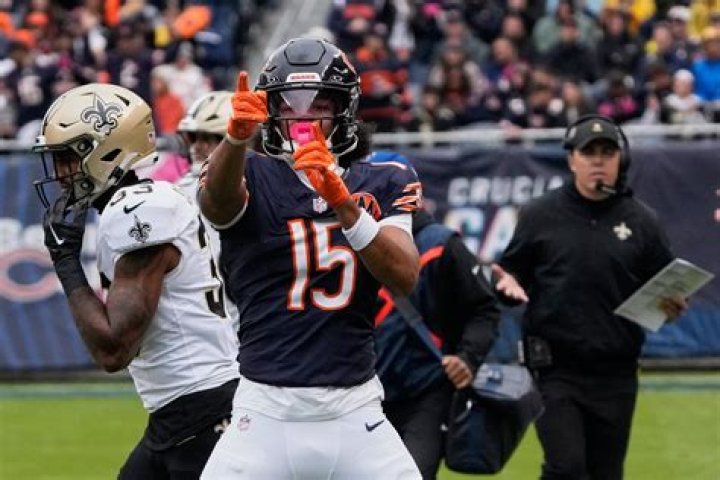
Brandon Roux age refers to the age of a person named Brandon Roux. Determining a specific age without context is not possible, as it can vary depending on the time and date of reference.
The age of a person can be significant for various reasons, such as legal rights, eligibility for certain activities or positions, or developmental milestones. Knowing a person's age can help us understand their life stage, experiences, and perspectives.
To determine Brandon Roux's age, additional information such as their date of birth or the current date would be needed. Without this context, providing a specific age is not possible.
brandon roux age
Exploring the topic of "brandon roux age" involves understanding various key aspects that shed light on its meaning and significance. Here are eight essential aspects to consider:
- Chronological age: Refers to the number of years a person has lived.
- Biological age: Assesses the physical and physiological condition of a person.
- Psychological age: Relates to a person's emotional and cognitive development.
- Social age: Reflects the roles and responsibilities a person has in society.
- Legal age: Defines the age at which a person becomes eligible for certain rights and privileges.
- Developmental milestones: Age-related changes and achievements in a person's life.
- Ageism: Prejudice or discrimination based on a person's age.
- Life expectancy: The average number of years a person is expected to live.
These aspects are interconnected and influence our understanding of a person's age. For instance, chronological age may not always align with biological or psychological age, leading to a more nuanced view of an individual's development and well-being. Ageism, unfortunately, can impact opportunities and treatment, highlighting the importance of valuing people regardless of their age.
Chronological age
Chronological age is a crucial aspect of understanding "brandon roux age" as it provides a numerical representation of a person's lifespan. It is calculated from the date of birth and serves as a primary indicator of an individual's age.
- Facet 1: Legal Significance
Chronological age plays a significant role in legal contexts, determining eligibility for various rights, privileges, and responsibilities. For instance, the legal age for voting, driving, or entering into contracts varies across jurisdictions, and chronological age is a key factor in these determinations.
- Facet 2: Developmental Milestones
Chronological age is often associated with expected developmental milestones. While individuals may progress at different rates, chronological age provides a general framework for understanding typical developmental trajectories. It helps assess physical growth, cognitive abilities, and social-emotional development.
- Facet 3: Social Expectations
Society often has certain expectations associated with different chronological age groups. These expectations can influence how individuals are perceived and treated. For example, younger adults may be expected to pursue education or start their careers, while older adults may be expected to retire or focus on leisure activities.
- Facet 4: Health and Aging
Chronological age is a factor in understanding the aging process and associated health considerations. As individuals age, their bodies undergo various changes, and chronological age helps track these changes and assess age-related risks and potential interventions.
In conclusion, chronological age is an essential aspect of "brandon roux age" as it provides a numerical representation of an individual's lifespan. It has implications for legal rights, developmental expectations, social perceptions, and health considerations. Understanding chronological age helps us better comprehend an individual's stage of life, potential experiences, and societal expectations associated with their age group.
Biological age
Biological age is an important aspect of "brandon roux age" as it provides insights into the physical and physiological condition of an individual. Unlike chronological age, which solely focuses on the number of years lived, biological age considers various biomarkers and physiological parameters to assess an individual's overall health and well-being.
Biological age is influenced by a combination of factors, including genetics, lifestyle choices, and environmental exposures. It is often measured using biomarkers such as telomere length, epigenetic modifications, and blood-based markers. These biomarkers can indicate an individual's risk for age-related diseases, such as cardiovascular disease, cancer, and neurodegenerative disorders.
Understanding biological age has significant implications for personalized healthcare and longevity. By assessing biological age, healthcare providers can tailor preventive measures and interventions to an individual's specific needs. For example, if an individual has a biological age that is older than their chronological age, it may indicate a higher risk for certain diseases, prompting closer monitoring and lifestyle modifications.
Research on biological age is ongoing, with advancements in technology leading to the development of more accurate and comprehensive assessments. As our understanding of biological age improves, it is expected to play an increasingly important role in healthcare, enabling personalized approaches to disease prevention, treatment, and healthy aging.
Psychological age
Psychological age is a significant aspect of "brandon roux age" as it encompasses the emotional and cognitive development of an individual. Unlike chronological age, which measures the number of years lived, and biological age, which assesses physical and physiological condition, psychological age focuses on the maturity, emotional intelligence, and cognitive abilities of a person.
Psychological age is influenced by a complex interplay of factors, including genetics, environment, and life experiences. It encompasses various aspects such as self-awareness, emotional regulation, problem-solving skills, and decision-making abilities. Individuals may exhibit a psychological age that is either younger or older than their chronological age, indicating their level of emotional and cognitive maturity.
Understanding psychological age is crucial for several reasons. Firstly, it provides insights into an individual's emotional well-being and mental health. Individuals with a younger psychological age may be more prone to emotional distress, impulsivity, and difficulty coping with stress. Secondly, psychological age can affect an individual's social interactions and relationships. Those with a more mature psychological age may be better equipped to handle interpersonal conflicts, build strong relationships, and engage in meaningful conversations.
In the context of "brandon roux age," psychological age can offer valuable information about an individual's emotional and cognitive capabilities. It can help us understand their level of emotional maturity, resilience, and ability to navigate life's challenges. By considering psychological age alongside chronological and biological age, we gain a more comprehensive view of an individual's overall well-being and development.
Social age
Social age is a multifaceted aspect of "brandon roux age" that encompasses the roles, responsibilities, and expectations associated with different stages of life within a given socio-cultural context.
- Facet 1: Societal Norms and Expectations
Social age is influenced by societal norms and expectations regarding appropriate behaviors, responsibilities, and achievements at different ages. For example, in many cultures, young adults are expected to pursue education and establish their careers, while older adults may be expected to retire and focus on leisure activities.
- Facet 2: Social Roles and Relationships
Social age is also reflected in the social roles and relationships an individual has. These roles, such as student, employee, parent, or grandparent, come with specific expectations and responsibilities that shape an individual's social age.
- Facet 3: Socioeconomic Factors
Socioeconomic factors, such as education, occupation, and income, can influence social age. Individuals with higher socioeconomic status may have access to greater opportunities and resources, which can lead to a higher social age.
- Facet 4: Cultural Variations
Social age can vary across cultures. Different cultures have unique expectations and norms regarding age-appropriate behaviors and responsibilities, leading to variations in social age.
Understanding social age in the context of "brandon roux age" provides insights into the social and cultural influences that shape an individual's life experiences and expectations. It highlights the dynamic nature of age and the importance of considering societal factors when assessing an individual's overall well-being and development.
Legal age
The concept of legal age is closely intertwined with the topic of "brandon roux age," as it establishes the specific age at which an individual becomes eligible for various rights and privileges within a society.
- Facet 1: Voting Rights
In many countries, reaching the legal age signifies the attainment of voting rights, allowing individuals to participate in the democratic process and have a say in decisions that affect their community.
- Facet 2: Driving Privileges
The legal age for obtaining a driver's license varies across jurisdictions. Acquiring this privilege grants individuals the ability to operate motor vehicles, providing them with greater independence and mobility.
- Facet 3: Legal Contracts
Reaching the legal age empowers individuals to enter into legally binding contracts, such as purchasing property or signing agreements. This signifies their recognition as responsible adults capable of making important decisions.
- Facet 4: Alcohol Consumption
In many societies, the legal age is linked to the purchase and consumption of alcohol. This regulation aims to prevent underage drinking and its associated risks, promoting responsible behavior and protecting young people.
Understanding the legal age in the context of "brandon roux age" highlights the transition from childhood to adulthood, where individuals gradually assume greater responsibilities and privileges. It also underscores the importance of age-related milestones and the legal framework that governs an individual's rights and obligations within society.
Developmental milestones
The concept of developmental milestones is intricately linked to "brandon roux age," providing a framework for understanding age-related changes and achievements throughout an individual's life. These milestones encompass various aspects of development, including physical growth, cognitive abilities, emotional maturity, and social skills.
As individuals progress through different age ranges, they typically reach specific developmental milestones. For instance, during infancy, babies learn to roll over, crawl, and walk. In early childhood, they develop language skills and start to interact with others. During adolescence, they experience physical changes and develop their sense of identity. In adulthood, they continue to refine their cognitive abilities, establish careers, and form families.
Understanding developmental milestones is crucial for several reasons. Firstly, it allows us to track an individual's progress and ensure that they are meeting expected developmental targets. Secondly, it helps identify any potential delays or challenges that may require additional support or intervention. Thirdly, it provides a basis for understanding the unique needs and capabilities of individuals at different stages of life.
In the context of "brandon roux age," developmental milestones offer valuable insights into an individual's overall development and well-being. By assessing an individual's progress against expected milestones, we can gain a better understanding of their strengths, challenges, and areas where they may need support. This information can be used to tailor educational programs, provide appropriate healthcare, and create supportive environments that foster optimal development.
Ageism
Ageism, a form of prejudice or discrimination based on a person's age, bears a significant connection to the topic of "brandon roux age." It manifests in various forms, ranging from subtle biases to overt discrimination, and can have profound implications for individuals of all ages.
- Facet 1: Employment Discrimination
Ageism is prevalent in the workplace, where older workers may face discrimination in hiring, promotion, and job retention. Employers may hold unfounded stereotypes about older workers' abilities, productivity, or willingness to learn new technologies.
- Facet 2: Healthcare Disparities
Ageism can also impact access to healthcare. Older adults may experience age-based rationing of care, denial of necessary treatments, or inadequate pain management. These disparities contribute to poorer health outcomes and reduced quality of life.
- Facet 3: Social Isolation and Loneliness
Ageism can lead to social isolation and loneliness among older adults. Negative attitudes and stereotypes about aging can result in exclusion from social activities, reduced social support, and diminished self-esteem.
- Facet 4: Ageist Language and Imagery
Ageist language and imagery in media and everyday conversations perpetuate negative stereotypes and reinforce age-based biases. Referring to older adults as "elderly," "frail," or "over the hill" contributes to a culture of disrespect and devaluation.
Understanding the connection between ageism and "brandon roux age" is crucial for recognizing and combatting age-based discrimination. By raising awareness, challenging stereotypes, and promoting inclusive practices, we can create a more equitable and just society for people of all ages.
Life expectancy
Life expectancy, a crucial component of "brandon roux age," represents the average number of years an individual is projected to live based on statistical data. It is influenced by various factors, including genetics, lifestyle choices, healthcare access, and environmental conditions.
Understanding life expectancy is essential for several reasons. Firstly, it provides valuable insights into the overall health and well-being of a population. Higher life expectancies generally indicate better living conditions, access to quality healthcare, and lower mortality rates. Secondly, life expectancy can inform policy decisions related to retirement planning, healthcare resource allocation, and social welfare programs.
In the context of "brandon roux age," life expectancy offers a broader perspective on an individual's potential longevity. By considering average life expectancies for a given age group and demographic profile, we can gain insights into the likelihood of an individual living to a certain age. This information can be helpful for personal planning, financial decisions, and healthcare choices.
Furthermore, understanding life expectancy can help us appreciate the value of each stage of life. Knowing that we have a limited time on Earth can motivate us to make the most of our years, pursue our passions, and contribute meaningfully to society. It can also foster a sense of gratitude for the time we have and encourage us to live each day with purpose and intention.
FAQs on "brandon roux age"
This section addresses frequently asked questions and misconceptions surrounding "brandon roux age." It provides clear and informative answers to enhance understanding and dispel any confusion.
Question 1: What is chronological age?
Chronological age refers to the number of years a person has lived, calculated from their date of birth. It is a fundamental aspect of age determination and serves as a primary indicator of an individual's age.
Question 2: How does biological age differ from chronological age?
Biological age assesses the physical and physiological condition of an individual, considering factors like telomere length and epigenetic modifications. It may not always align with chronological age, providing insights into an individual's overall health and well-being.
Question 3: What is psychological age?
Psychological age encompasses the emotional and cognitive development of an individual. It relates to maturity, emotional intelligence, and cognitive abilities, and may differ from chronological or biological age.
Question 4: What is the significance of social age?
Social age reflects the roles, responsibilities, and expectations associated with different stages of life within a socio-cultural context. It is influenced by societal norms and cultural variations.
Question 5: What is the legal age, and how does it impact individuals?
Legal age refers to the age at which an individual becomes eligible for certain rights and privileges, such as voting, driving, and entering into legal contracts. It varies across jurisdictions and has significant implications for an individual's legal status and responsibilities.
Question 6: What are developmental milestones, and why are they important?
Developmental milestones are age-related changes and achievements that occur throughout an individual's life. They encompass physical growth, cognitive abilities, emotional maturity, and social skills. Understanding these milestones is crucial for assessing an individual's progress and identifying any potential developmental challenges.
Summary: Understanding the various dimensions of age, including chronological, biological, psychological, social, legal, and developmental age, provides a comprehensive view of an individual's development and well-being. Considering these aspects helps us appreciate the complexity of human development and the unique experiences and challenges faced by individuals at different stages of life.
Transition to the next article section: This section explores the implications of age on various aspects of life, including health, relationships, and career.
Tips on Understanding "brandon roux age"
To enhance your understanding of "brandon roux age" and its implications, consider the following tips:
Tip 1: Consider the Context
The meaning of "brandon roux age" can vary depending on the context. Determine whether the focus is on chronological, biological, psychological, social, legal, or developmental age.
Tip 2: Distinguish Between Age Types
Recognize that different types of age provide unique insights. Chronological age indicates the number of years lived, while biological age assesses physical condition, psychological age measures emotional and cognitive development, and social age reflects societal expectations.
Tip 3: Understand Developmental Milestones
Familiarize yourself with typical developmental milestones for different age groups. This knowledge helps identify potential developmental challenges or delays.
Tip 4: Be Aware of Age-Related Changes
Recognize that aging can bring physical, cognitive, and emotional changes. Understanding these changes can help prepare for and address age-related challenges.
Tip 5: Challenge Ageism
Actively challenge age-based stereotypes and discrimination. Promote inclusive practices and attitudes that value individuals regardless of their age.
Tip 6: Embrace the Aging Process
Recognize that aging is a natural part of life and can bring opportunities for growth, wisdom, and new experiences. Embrace the aging process with a positive and mindful approach.
Summary: By following these tips, you can enhance your understanding of "brandon roux age" and its implications for individuals and society. Remember to consider the context, distinguish between age types, be aware of developmental milestones and age-related changes, challenge ageism, and embrace the aging process.
Transition to the article's conclusion: A comprehensive understanding of age and its various dimensions empowers us to make informed decisions, create inclusive environments, and support individuals throughout their lifespan.
Conclusion
This exploration of "brandon roux age" has highlighted the multifaceted nature of age and its profound implications throughout an individual's life journey.
Understanding the different dimensions of agechronological, biological, psychological, social, legal, and developmentalprovides a comprehensive lens through which we can appreciate the unique experiences, challenges, and opportunities faced by individuals at various stages of life. By recognizing and respecting these diverse age-related aspects, we can foster a more inclusive and equitable society.
As we continue to navigate the complexities of age and aging, it is essential to challenge ageism, promote intergenerational understanding, and support individuals in living fulfilling and meaningful lives regardless of their age. Embracing a positive and inclusive perspective on age empowers us to create a society where everyone is valued and respected.
Unlock The Secrets Of "Assistant Job Often Crossword"
Unveiling The Extraordinary: Kerith Burke's Pregnancy Journey
Discover Hidden Truths Behind The Mitchell Potter Car Accident: Insights That Will Shake You