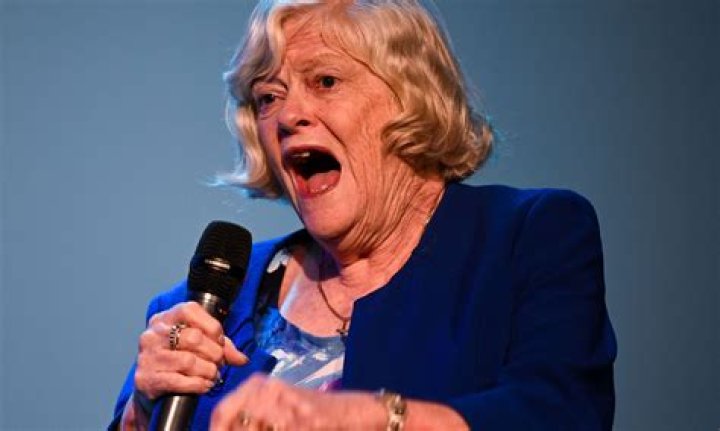
Justin Cruz: Age Reveals Surprising Truths And Hidden Potential refers to the idea that as we age, we gain valuable experience and wisdom, but society often overlooks or undervalues the contributions of older individuals. This concept highlights the importance of recognizing and embracing the unique perspectives and abilities that come with age.
As we grow older, we accumulate a wealth of knowledge, skills, and life experiences that can be invaluable to our communities and workplaces. However, ageism, the discrimination against individuals based on their age, can create barriers that prevent older adults from fully participating in society. By challenging these biases and creating more inclusive environments, we can unlock the hidden potential of older individuals and benefit from their contributions.
Justin Cruz's work in this area has focused on developing programs and initiatives that promote intergenerational learning and mentorship, providing opportunities for older adults to share their knowledge and skills with younger generations. These programs have not only benefited the participants but have also helped to change perceptions about aging and the value of older adults in society.
Justin Cruz
As we age, society often overlooks or undervalues the contributions of older individuals. Justin Cruz's work challenges this ageism and highlights the importance of recognizing and embracing the unique perspectives and abilities that come with age. Here are nine key aspects of Cruz's work:
- Experience: Older adults have a wealth of knowledge and skills that can benefit their communities and workplaces.
- Wisdom: With age comes wisdom, which can provide valuable insights and guidance.
- Mentorship: Older adults can play a vital role in mentoring younger generations, sharing their knowledge and experience.
- Intergenerational learning: Programs that promote intergenerational learning can benefit both older and younger participants.
- Ageism: Ageism is a form of discrimination that can prevent older adults from fully participating in society.
- Inclusion: Creating more inclusive environments is essential for unlocking the potential of older adults.
- Diversity: Older adults represent a diverse population with a wide range of experiences and perspectives.
- Potential: Older adults have a vast amount of untapped potential that can benefit society.
- Value: Older adults are valuable members of our communities and should be treated with respect and dignity.
Justin Cruz's work is helping to change perceptions about aging and the value of older adults in society. By challenging ageism and creating more inclusive environments, we can unlock the hidden potential of older individuals and benefit from their contributions.
| Name | Occupation | Age |
|---|---|---|
| Justin Cruz | Author, speaker, and advocate for older adults | 56 |
Experience
This facet of Justin Cruz's work highlights the importance of recognizing and valuing the contributions of older adults. As we age, we accumulate a wealth of knowledge, skills, and experience that can be invaluable to our communities and workplaces. However, ageism often leads to the devaluation of older workers and the undervaluation of their skills. Cruz's work challenges this ageism and advocates for the inclusion of older adults in the workforce and community.
- Facet 1: Knowledge
Older adults have a wealth of knowledge that can benefit their communities and workplaces. This knowledge includes both formal education and informal learning that comes from years of experience. Older adults can be a valuable resource for organizations, providing insights and expertise that can help businesses succeed.
- Facet 2: Skills
Older adults also have a wide range of skills that can benefit their communities and workplaces. These skills include both hard skills, such as technical skills and job-specific knowledge, and soft skills, such as communication, problem-solving, and teamwork. Older adults can use their skills to make significant contributions to their organizations and communities.
- Facet 3: Experience
Older adults have a wealth of experience that can benefit their communities and workplaces. This experience can provide valuable insights into how to solve problems, make decisions, and manage teams. Older adults can use their experience to mentor younger workers and help organizations avoid costly mistakes.
- Facet 4: Wisdom
Older adults often have a deep understanding of life and human nature. This wisdom can be invaluable in resolving conflicts, providing guidance, and making decisions. Older adults can use their wisdom to help create a more harmonious and productive workplace.
Justin Cruz's work is helping to change perceptions about aging and the value of older adults in society. By challenging ageism and creating more inclusive environments, we can unlock the potential of older adults and benefit from their contributions.
Wisdom
Justin Cruz's work on ageism and the hidden potential of older adults highlights the importance of wisdom in our communities and workplaces. Wisdom is a deep understanding of life and human nature that comes from years of experience. It allows us to see the world from a broader perspective and make sound judgments. Older adults have a wealth of wisdom to offer, and we should value their insights and guidance.
- Facet 1: Decision-making
Older adults have a wealth of experience to draw on when making decisions. They have seen the consequences of different choices and can provide valuable insights to help others make wise decisions.
- Facet 2: Problem-solving
Older adults have a deep understanding of how the world works and how to solve problems. They can use their wisdom to identify the root causes of problems and develop creative solutions.
- Facet 3: Conflict resolution
Older adults have a wealth of experience in resolving conflicts. They have learned how to communicate effectively, compromise, and find common ground.
- Facet 4: Mentoring
Older adults can play a valuable role in mentoring younger generations. They can share their wisdom and experience to help younger people succeed in their personal and professional lives.
Justin Cruz's work is helping to change perceptions about aging and the value of older adults in society. By challenging ageism and creating more inclusive environments, we can unlock the potential of older adults and benefit from their wisdom.
Mentorship
Justin Cruz's work on ageism and the hidden potential of older adults highlights the importance of mentorship in our communities and workplaces. Mentorship is a relationship in which an older, more experienced person provides guidance and support to a younger, less experienced person. This relationship can be mutually beneficial, with both the mentor and the mentee gaining valuable insights and skills.
Older adults have a wealth of knowledge and experience to share with younger generations. They can provide guidance on career development, personal growth, and life skills. Mentorship can help younger people to develop their skills, navigate challenges, and achieve their goals. It can also help to build relationships between different generations and create a more inclusive and supportive workplace.
Justin Cruz's work is helping to promote mentorship programs that connect older adults with younger generations. These programs provide opportunities for older adults to share their knowledge and experience, while also providing younger people with valuable guidance and support. By investing in mentorship, we can unlock the potential of both older and younger generations and create a more inclusive and prosperous society.
Intergenerational learning
Intergenerational learning is a type of learning that brings together people from different generations to share their knowledge, skills, and experiences. This type of learning can be mutually beneficial, with both older and younger participants gaining valuable insights and skills. Justin Cruz's work on ageism and the hidden potential of older adults highlights the importance of intergenerational learning in creating more inclusive and supportive communities.
- Facet 1: Building relationships
Intergenerational learning programs can help to build relationships between older and younger generations. These relationships can break down stereotypes and create a more positive view of aging. They can also help to create a more inclusive and supportive community.
- Facet 2: Sharing knowledge and skills
Intergenerational learning programs provide opportunities for older and younger participants to share their knowledge and skills. Older adults can share their wisdom and experience, while younger people can share their technological skills and knowledge of current trends. This sharing of knowledge and skills can benefit both generations.
- Facet 3: Challenging stereotypes
Intergenerational learning programs can help to challenge stereotypes about aging. These programs show that older adults are still active, engaged, and have valuable contributions to make to society. They can also help to change the way that younger people view aging and older adults.
- Facet 4: Promoting empathy
Intergenerational learning programs can help to promote empathy between older and younger generations. These programs allow participants to see the world from different perspectives and to develop a better understanding of the challenges and opportunities that each generation faces.
Justin Cruz's work is helping to promote intergenerational learning programs that connect older adults with younger generations. These programs provide opportunities for older adults to share their knowledge and experience, while also providing younger people with valuable guidance and support. By investing in intergenerational learning, we can unlock the potential of both older and younger generations and create a more inclusive and prosperous society.
Ageism
Ageism is a serious problem that can have a devastating impact on the lives of older adults. It can lead to social isolation, poverty, and even death. Justin Cruz's work on ageism and the hidden potential of older adults is essential to raising awareness of this issue and finding ways to address it.
One of the most important things that we can do to combat ageism is to challenge the stereotypes that we have about older adults. We need to recognize that older adults are just as capable and valuable as younger adults. They have a wealth of knowledge and experience to offer, and they deserve to be treated with respect and dignity.
We also need to create more opportunities for older adults to participate in society. This means providing them with access to education, employment, and healthcare. It also means creating more opportunities for older adults to socialize and connect with others.
Justin Cruz's work is helping to make a difference in the lives of older adults. He is challenging ageism and creating more opportunities for older adults to participate in society. His work is essential to creating a more inclusive and just world for all.
Inclusion
Justin Cruz's work on ageism and the hidden potential of older adults highlights the importance of creating more inclusive environments. Inclusion means creating environments where older adults feel welcome, respected, and valued. It means providing them with the opportunities and resources they need to participate fully in society.
- Title of Facet 1: Removing barriers
One important aspect of creating more inclusive environments is removing barriers that prevent older adults from participating fully in society. These barriers can include physical barriers, such as inaccessible buildings or transportation systems, as well as social barriers, such as ageism and discrimination. Justin Cruz's work challenges ageism and advocates for the removal of barriers that prevent older adults from participating fully in society.
- Title of Facet 2: Providing opportunities
Another important aspect of creating more inclusive environments is providing older adults with opportunities to participate fully in society. This means providing them with access to education, employment, and healthcare. It also means creating more opportunities for older adults to socialize and connect with others. Justin Cruz's work promotes intergenerational learning programs and other initiatives that provide older adults with opportunities to share their knowledge and experience with younger generations.
- Title of Facet 3: Changing attitudes
Creating more inclusive environments also requires changing attitudes towards older adults. We need to challenge the stereotypes that we have about older adults and recognize that they are just as capable and valuable as younger adults. Justin Cruz's work raises awareness of the contributions that older adults make to society and challenges the negative stereotypes that often surround aging.
- Title of Facet 4: Valuing diversity
Finally, creating more inclusive environments means valuing diversity and recognizing that older adults are a diverse population with a wide range of experiences and perspectives. Justin Cruz's work promotes the inclusion of older adults from all backgrounds and walks of life.
By creating more inclusive environments, we can unlock the potential of older adults and create a more just and equitable society for all.
Diversity
Justin Cruz's work on ageism and the hidden potential of older adults highlights the importance of recognizing and valuing the diversity of older adults. Older adults come from all walks of life and have a wide range of experiences and perspectives to offer. They have made significant contributions to society and have much to teach us about life, work, and relationships. However, ageism often leads to the devaluation of older adults and the undervaluation of their skills and experience.
Cruz's work challenges ageism and advocates for the inclusion of older adults in all aspects of society. He promotes intergenerational learning programs and other initiatives that bring together older and younger adults to share their knowledge and experience. These programs have been shown to benefit both older and younger participants, and they help to create a more inclusive and just society for all.
Recognizing and valuing the diversity of older adults is essential for unlocking their potential and creating a more inclusive society. By challenging ageism and creating more inclusive environments, we can ensure that older adults have the opportunity to participate fully in society and contribute their unique talents and perspectives.
Potential
Justin Cruz's work on "Age Reveals Surprising Truths and Hidden Potential" highlights the vast amount of untapped potential that older adults have to offer society. Cruz challenges the stereotypes and ageism that often prevent older adults from fully participating in society, and he advocates for the inclusion of older adults in all aspects of life. He believes that older adults have a wealth of knowledge, experience, and wisdom to share, and that they can make significant contributions to their communities and to the world.
There are many real-life examples of the untapped potential of older adults. For example, older adults are more likely to volunteer their time to help others, and they are more likely to be involved in their communities. They are also more likely to be mentors to younger people, and they can provide valuable advice and support to those who are just starting out in their careers or personal lives.
Understanding the potential of older adults is essential for creating a more inclusive and just society. By valuing the contributions of older adults and creating opportunities for them to participate fully in society, we can benefit from their knowledge, experience, and wisdom. We can also create a more age-friendly society that is more supportive of all people, regardless of their age.
Value
Justin Cruz's work on "Age Reveals Surprising Truths and Hidden Potential" highlights the immense value that older adults bring to our communities. Cruz challenges the stereotypes and ageism that often prevent older adults from fully participating in society, and he advocates for their inclusion in all aspects of life.
- Title of Facet 1: Contributions to Society
One of the most important ways that older adults contribute to society is through their work. Many older adults continue to work well into their retirement years, and they bring a wealth of knowledge, experience, and dedication to their jobs. They are also more likely to volunteer their time to help others, and they are often involved in their communities.
- Title of Facet 2: Mentorship and Guidance
Older adults can also play a valuable role as mentors and guides for younger people. They can provide advice and support to those who are just starting out in their careers or personal lives, and they can help to shape the next generation of leaders.
- Title of Facet 3: Wisdom and Experience
Older adults have a wealth of wisdom and experience to share. They have lived through different eras and experienced different challenges, and they can offer valuable insights into life's challenges and opportunities.
- Title of Facet 4: Social Connections
Older adults are also important members of our social fabric. They are often involved in their communities, and they can provide valuable social connections for younger people. They can also help to bridge the gap between generations and create a more cohesive society.
Recognizing and valuing the contributions of older adults is essential for creating a more inclusive and just society. By treating older adults with respect and dignity, and by creating opportunities for them to participate fully in society, we can benefit from their knowledge, experience, and wisdom. We can also create a more age-friendly society that is more supportive of all people, regardless of their age.
FAQs about "Justin Cruz
This section answers common questions and misconceptions about the importance of recognizing and valuing the contributions of older adults.
Question 1: Why is it important to challenge ageism and create more inclusive environments for older adults?
Answer: Ageism and a lack of inclusivity prevent older adults from fully participating in society and contributing their skills, experience, and wisdom. Creating more inclusive environments allows older adults to continue making valuable contributions and enjoy a better quality of life.
Question 2: What are some of the benefits of intergenerational learning programs?
Answer: Intergenerational learning programs provide opportunities for older and younger people to share their knowledge, skills, and experiences. These programs can benefit both generations by fostering mutual respect, breaking down stereotypes, and promoting empathy.
Question 3: How can we recognize and value the diversity of older adults?
Answer: Recognizing and valuing the diversity of older adults means understanding that they come from all walks of life and have a wide range of experiences and perspectives. It also means creating opportunities for older adults from all backgrounds to participate fully in society.
Question 4: What is the potential of older adults, and how can we unlock it?
Answer: Older adults have a vast amount of untapped potential to offer society. By challenging ageism, creating more inclusive environments, and providing opportunities for older adults to participate fully in society, we can unlock this potential and benefit from their contributions.
Question 5: Why is it important to treat older adults with respect and dignity?
Answer: Treating older adults with respect and dignity is important because they are valuable members of our communities and deserve to be treated with the same respect as people of all ages. It also helps to create a more inclusive and just society for all.
Question 6: What can we do to create a more age-friendly society?
Answer: To create a more age-friendly society, we need to challenge ageism, create more inclusive environments, and provide opportunities for older adults to participate fully in society. We can also educate ourselves and others about the importance of valuing older adults and their contributions.
Summary: Recognizing and valuing the contributions of older adults is essential for creating a more inclusive and just society. By challenging ageism, creating more inclusive environments, and valuing the diversity of older adults, we can unlock their potential and benefit from their knowledge, experience, and wisdom.
Transition to the next article section: To learn more about the work of Justin Cruz and the importance of recognizing and valuing the contributions of older adults, please refer to the following resources:
Tips to Challenge Ageism and Value Older Adults
To create a more inclusive and just society for older adults, it is important to challenge ageism and recognize their valuable contributions. Here are five tips to get started:
Tip 1: Educate Yourself and Others
Learn about the realities of aging and the challenges faced by older adults. Share your knowledge with others to help dispel stereotypes and promote a more positive view of aging.
Tip 2: Challenge Ageist Assumptions
When you hear or see ageist comments or behaviors, speak up. Challenge the assumptions that older adults are less capable or valuable than younger people.
Tip 3: Create Inclusive Environments
Make sure that your workplace, community, and social groups are welcoming and inclusive to people of all ages. This includes providing physical access, flexible work arrangements, and opportunities for older adults to participate in decision-making.
Tip 4: Support Intergenerational Programs
Intergenerational programs bring together people of different ages to learn from and support each other. These programs can help to break down stereotypes and build bridges between generations.
Tip 5: Value the Contributions of Older Adults
Recognize and appreciate the skills, experience, and wisdom that older adults have to offer. Encourage them to share their stories and perspectives, and seek out their advice and guidance.
By following these tips, you can help to create a more inclusive and age-friendly society where older adults are valued and respected.
Summary: Challenging ageism and valuing older adults is essential for creating a more just and equitable society. By educating ourselves, speaking up against ageism, creating inclusive environments, supporting intergenerational programs, and valuing the contributions of older adults, we can make a positive difference in the lives of older adults and in our communities as a whole.
Conclusion
Justin Cruz's work on "Age Reveals Surprising Truths And Hidden Potential" highlights the importance of recognizing and valuing the contributions of older adults. By challenging ageism and creating more inclusive environments, we can unlock the potential of older adults and benefit from their knowledge, experience, and wisdom. This will lead to a more just and equitable society for all.
As we move forward, it is important to continue to challenge ageism in all its forms. We must also work to create more inclusive environments where older adults feel valued and respected. By doing so, we can create a society that is more supportive of all people, regardless of their age.
Uncover Untold Stories And Inspiring Insights With Patricia Heaton Young
Unlock The Secrets To Marital Bliss: Lessons From Sherilyn Fenn
Unveiling The Secrets Of Justin Combs' Height: A Journey Of Discovery And Insight
Justin Cruz Bio, KHON 2, Age, Height, Salary/ Net Worth
CRUZ JUSTIN V 04/30/2023 MiamiDade County Mugshots Zone