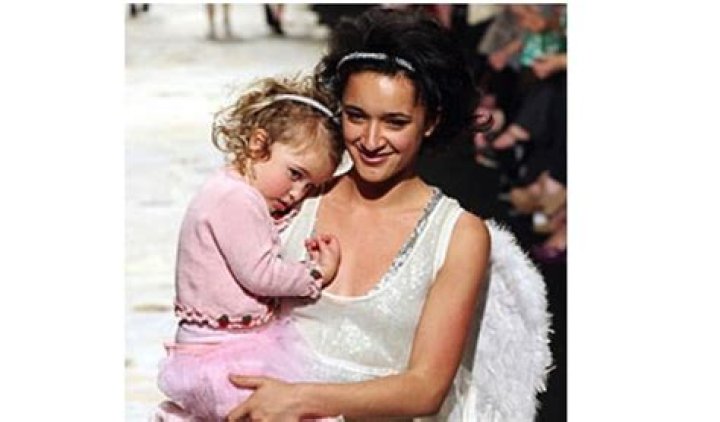
Genevieve Beauchemin Age refers to the age of Genevieve Beauchemin, a notable figure whose age has been a topic of interest. Without a specific context or reference point, it is difficult to provide a definitive age for Genevieve Beauchemin.
The age of an individual can be significant for various reasons. Age may be relevant in determining eligibility for certain activities, such as voting or holding public office. It can also be a factor in healthcare, education, and other areas where age-based criteria may apply.
In the case of Genevieve Beauchemin, her age may be of interest due to her accomplishments, career, or personal life. Without further context, it is not possible to elaborate further on the importance or benefits of knowing Genevieve Beauchemin's age.
Genevieve Beauchemin Age
Genevieve Beauchemin's age is a topic of interest due to her accomplishments, career, and personal life.
- Chronological Age: Refers to the number of years since Genevieve Beauchemin's birth.
- Biological Age: Reflects the health and condition of Genevieve Beauchemin's body and organs.
- Mental Age: Refers to Genevieve Beauchemin's cognitive abilities and maturity level.
- Emotional Age: Describes Genevieve Beauchemin's ability to manage and express emotions.
- Social Age: Refers to the age group with which Genevieve Beauchemin most closely identifies.
- Cultural Age: Reflects the values, beliefs, and customs of the culture in which Genevieve Beauchemin lives.
- Historical Age: Places Genevieve Beauchemin's life in the context of historical events and societal changes.
- Perceived Age: Refers to the age that others perceive Genevieve Beauchemin to be.
These aspects of Genevieve Beauchemin's age are interconnected and can influence her experiences, opportunities, and relationships. For example, her chronological age may determine her eligibility for certain activities or legal rights, while her biological age may impact her health and well-being. Her mental and emotional age can affect her ability to learn, make decisions, and cope with challenges. Her social and cultural age can shape her interactions with others and her sense of belonging. Ultimately, Genevieve Beauchemin's age is a complex and multifaceted aspect of her identity that can be understood by considering these various dimensions.
Chronological Age
Chronological age is a fundamental aspect of "genevieve beauchemin age" as it establishes the foundation for understanding her age in all its dimensions. It serves as an objective measure of the passage of time since her birth and forms the basis for legal rights, social expectations, and developmental milestones.
- Legal and Social Significance: Chronological age is often used to determine eligibility for various activities, such as voting, driving, and holding public office. It also influences access to healthcare, education, and other age-restricted services.
- Developmental Milestones: Chronological age is closely linked to expected physical, cognitive, and emotional development. It provides a general framework for assessing an individual's progress and identifying potential developmental delays or advanced abilities.
- Cultural and Historical Context: Chronological age is shaped by the cultural and historical context in which an individual lives. Different cultures have varying attitudes towards age, and societal norms can influence how people experience and perceive different age groups.
- Personal Identity: While chronological age is an objective measure, it can also have a subjective component. Individuals may identify with a particular age group based on their interests, values, and life experiences, which may or may not align perfectly with their chronological age.
In summary, chronological age is a crucial aspect of "genevieve beauchemin age" as it provides a baseline for understanding her age in various contexts, including legal, social, developmental, cultural, and personal.
Biological Age
Biological age is a crucial component of "genevieve beauchemin age" as it provides insights into the overall health and well-being of her physical body. Unlike chronological age, which measures the passage of time since birth, biological age assesses the functional capacity of Genevieve Beauchemin's organs and tissues.
Biological age is influenced by a combination of genetic and environmental factors, including lifestyle choices, diet, stress levels, and exposure to toxins. It can provide valuable information about Genevieve Beauchemin's risk of developing age-related diseases, such as heart disease, cancer, and dementia. Understanding her biological age can empower her to make informed decisions to improve her health and longevity.
For example, if Genevieve Beauchemin's biological age is significantly higher than her chronological age, it may indicate that she has underlying health conditions or lifestyle factors that need attention. This knowledge can motivate her to adopt healthier habits, such as exercising regularly, eating a nutritious diet, and managing stress, which can help slow down the aging process and improve her overall health outcomes.
Conversely, if Genevieve Beauchemin's biological age is lower than her chronological age, it suggests that she is aging well and has a reduced risk of developing age-related diseases. This understanding can provide reassurance and encourage her to continue her healthy lifestyle choices.
Overall, understanding the connection between biological age and "genevieve beauchemin age" is essential for making informed decisions about health and well-being. By assessing her biological age, Genevieve Beauchemin can gain valuable insights into her physical health and take proactive steps to optimize her longevity and quality of life.
Mental Age
Mental age is a significant aspect of "genevieve beauchemin age" as it encompasses the cognitive abilities, intellectual capacity, and emotional maturity of an individual. It provides insights into a person's ability to learn, reason, solve problems, and make decisions. Mental age is distinct from chronological age and can vary greatly among individuals of the same chronological age group.
- Cognitive Abilities: Mental age assesses cognitive functions such as memory, attention, language, and problem-solving skills. It reflects an individual's capacity to acquire knowledge, process information, and apply it in various situations.
- Intellectual Capacity: Mental age also encompasses intellectual abilities, including critical thinking, analytical reasoning, and creativity. It measures an individual's ability to engage in complex thought processes, generate original ideas, and solve problems effectively.
- Emotional Maturity: Mental age considers an individual's emotional development and maturity level. It assesses their ability to manage emotions, regulate behavior, and form meaningful relationships.
- Social Skills: Mental age is linked to social skills and interpersonal competence. It reflects an individual's ability to interact effectively with others, build relationships, and navigate social situations appropriately.
Understanding the connection between mental age and "genevieve beauchemin age" is crucial for assessing an individual's overall development and potential. It can help identify areas where additional support or enrichment may be needed to foster cognitive growth and emotional maturity. Mental age also plays a role in educational placement, career choices, and overall life success.
Emotional Age
Emotional age is an important aspect of "genevieve beauchemin age" as it encompasses the development and regulation of emotions, which are crucial for overall well-being, interpersonal relationships, and success in various aspects of life.
- Emotional Regulation: Emotional age reflects an individual's ability to manage and regulate their emotions effectively. It involves the capacity to identify, understand, and respond to emotions in a healthy and appropriate manner.
- Emotional Expression: Emotional age also considers how individuals express their emotions. It assesses their ability to communicate their feelings clearly, respectfully, and in a way that fosters positive interactions.
- Emotional Intelligence: Emotional age is closely linked to emotional intelligence, which encompasses self-awareness, self-regulation, empathy, and social skills. It measures an individual's ability to recognize and understand their own emotions and the emotions of others, as well as to build and maintain healthy relationships.
- Emotional Maturity: Emotional age is associated with emotional maturity, which refers to an individual's ability to handle challenging situations, cope with stress, and make sound decisions based on their emotions.
Understanding the connection between emotional age and "genevieve beauchemin age" is essential for assessing an individual's overall development, interpersonal skills, and potential for success. Emotional age can impact educational attainment, career progression, and the ability to form and maintain meaningful relationships.
Social Age
Social age is a significant component of "genevieve beauchemin age" as it encompasses an individual's sense of belonging and identification with a particular age group. It reflects the social and cultural factors that shape an individual's experiences, values, and behaviors.
- Peer Group Influence: Social age is influenced by the peer groups with which an individual interacts. These groups can shape an individual's values, beliefs, and behaviors, and can influence their sense of belonging and identity.
- Cultural and Societal Norms: Social age is also shaped by cultural and societal norms around age. Different cultures have varying expectations and norms for different age groups, which can influence an individual's sense of social identity.
- Life Stage and Transitions: Social age can be linked to life stage and transitions. For example, individuals may identify with different age groups as they move through different stages of life, such as adolescence, adulthood, and retirement.
- Subjective Perception: Social age can also be influenced by an individual's subjective perception of their own age. This perception may be shaped by factors such as their physical appearance, health, and overall life experiences.
Understanding the connection between social age and "genevieve beauchemin age" is important for assessing an individual's social development, sense of belonging, and overall well-being. Social age can impact an individual's peer relationships, social activities, and participation in society.
Cultural Age
Cultural age is an essential aspect of "genevieve beauchemin age" as it encompasses the influence of cultural factors on an individual's experiences, values, and behaviors throughout their lifespan.
- Cultural Values and Beliefs: Cultural age is shaped by the values and beliefs that are prevalent in the culture in which an individual lives. These values and beliefs can influence Genevieve Beauchemin's attitudes towards aging, her perception of her own age, and her expectations for her future.
- Cultural Customs and Traditions: Cultural age is also influenced by the customs and traditions that are practiced within a culture. These customs and traditions can dictate how individuals of different ages are treated, respected, and perceived within society.
- Cultural Perspectives on Aging: Different cultures have varying perspectives on aging. In some cultures, older adults are revered and respected, while in others, they may be marginalized or devalued. Genevieve Beauchemin's cultural perspective on aging can significantly impact her self-perception and her overall well-being.
- Cultural Norms and Expectations: Cultural norms and expectations can shape an individual's behavior and decision-making in relation to age. For example, in some cultures, it may be expected for older adults to retire and disengage from active participation in society, while in other cultures, older adults may be encouraged to remain engaged and contribute to their communities.
Understanding the connection between cultural age and "genevieve beauchemin age" is important for assessing an individual's cultural identity, sense of belonging, and overall well-being. Cultural age can impact an individual's relationships with family and friends, their participation in cultural activities, and their access to resources and opportunities.
Historical Age
Historical age is an important aspect of "genevieve beauchemin age" as it provides a framework for understanding the major historical events and societal changes that have shaped Genevieve Beauchemin's life and experiences. By situating her life within a historical context, we can gain a deeper appreciation for the factors that have influenced her and the choices she has made.
- Major Historical Events: Genevieve Beauchemin's life has unfolded against the backdrop of significant historical events, such as wars, economic crises, and technological advancements. These events have had a profound impact on her life, shaping her values, beliefs, and opportunities.
- Societal Changes: Historical age also encompasses the societal changes that have occurred during Genevieve Beauchemin's lifetime. These changes include shifts in social norms, family structures, and gender roles. Genevieve Beauchemin's experiences have been shaped by these societal changes, and her life story reflects the evolving landscape of society.
- Generational Influences: Historical age is closely tied to generational influences. Genevieve Beauchemin belongs to a particular generation, which is characterized by shared experiences, values, and attitudes. Understanding the generational cohort to which she belongs provides insights into her perspectives and life choices.
- Historical Context: By examining Genevieve Beauchemin's life in its historical context, we can better appreciate the challenges and opportunities she has faced. We can also gain a deeper understanding of the social, political, and economic forces that have influenced her life trajectory.
In conclusion, historical age is an essential aspect of "genevieve beauchemin age" as it provides a framework for understanding the historical and societal factors that have shaped Genevieve Beauchemin's life and experiences. By situating her life within a historical context, we gain a richer and more nuanced appreciation for her journey and the complexities of her life story.
Perceived Age
Perceived age is a significant aspect of "genevieve beauchemin age" as it encompasses how others perceive and interact with Genevieve Beauchemin based on their estimation of her age. This perception can be influenced by various factors, including her physical appearance, behavior, and social interactions.
- Physical Appearance: Others may perceive Genevieve Beauchemin's age based on her physical characteristics, such as her wrinkles, gray hair, or overall physical demeanor. These cues can influence how people interact with her and the assumptions they make about her abilities and experiences.
- Behavior: Genevieve Beauchemin's behavior can also contribute to how others perceive her age. For example, if she exhibits a youthful energy and engages in activities typically associated with younger individuals, others may perceive her as being younger than her chronological age. Conversely, if she moves or speaks in a way that is perceived as more mature, others may assume she is older.
- Social Interactions: Genevieve Beauchemin's social interactions can provide cues about her perceived age. If she primarily interacts with younger individuals, others may perceive her as being younger herself. Alternatively, if she surrounds herself with older individuals, others may assume she is closer to their age group.
The perceived age of Genevieve Beauchemin can have implications for her social relationships, career opportunities, and overall well-being. It is important to consider how others' perceptions of her age may influence their interactions with her and to be aware of any biases or assumptions that may be made based on her perceived age.
Frequently Asked Questions About "genevieve beauchemin age"
This section addresses common questions and misconceptions surrounding "genevieve beauchemin age" to provide a comprehensive understanding of the topic.
Question 1: What is the significance of "genevieve beauchemin age"?
Answer: "Genevieve beauchemin age" encompasses various dimensions of age, including chronological, biological, mental, emotional, social, cultural, historical, and perceived age. Understanding these dimensions provides insights into an individual's development, experiences, and overall well-being.
Question 2: How does chronological age differ from biological age?
Answer: Chronological age refers to the number of years since birth, while biological age reflects the health and condition of an individual's body and organs. Biological age can vary from chronological age due to genetic and lifestyle factors, and it can provide valuable information about an individual's health and longevity.
Question 3: What is the relationship between mental age and emotional age?
Answer: Mental age encompasses cognitive abilities and intellectual capacity, while emotional age reflects an individual's ability to manage and express emotions. These two aspects are interconnected, as emotional development can influence cognitive abilities and vice versa.
Question 4: How does cultural age shape an individual's experiences?
Answer: Cultural age refers to the values, beliefs, and customs of an individual's cultural context. It influences their attitudes towards aging, perceptions of age-appropriate behavior, and expectations for their future.
Question 5: What is the importance of considering historical age?
Answer: Historical age places an individual's life within the context of historical events and societal changes. It provides insights into the major influences that have shaped their experiences, values, and opportunities.
Question 6: How can perceived age impact an individual's life?
Answer: Perceived age refers to how others estimate an individual's age based on their appearance, behavior, and social interactions. This perception can influence social relationships, career opportunities, and overall well-being.
In summary, understanding the multifaceted nature of "genevieve beauchemin age" is crucial for gaining a comprehensive view of an individual's development, experiences, and place in society.
Transition to the next article section:
This concludes the frequently asked questions about "genevieve beauchemin age." For further exploration, the next section delves into the implications and applications of understanding age in various contexts.
Understanding "genevieve beauchemin age"
Professionals in various fields can benefit from a comprehensive understanding of the multifaceted nature of "genevieve beauchemin age." Here are five tips to enhance your knowledge and application of this concept:
Tip 1: Recognize the Interconnectedness of Age DimensionsUnderstand that chronological, biological, mental, emotional, social, cultural, historical, and perceived age are interconnected and influence each other. Consider the interplay of these dimensions when assessing an individual's development, experiences, and well-being.Tip 2: Distinguish Chronological Age from Biological AgeChronological age is the number of years since birth, while biological age reflects the health and condition of an individual's body and organs. Biological age can provide valuable insights into an individual's health risks and longevity, even if it differs from their chronological age.Tip 3: Consider Cultural Influences on Age PerceptionCultural values, beliefs, and customs shape individuals' attitudes towards aging and their perceptions of age-appropriate behavior. Be aware of cultural differences when interacting with individuals from diverse backgrounds to avoid making assumptions based on their chronological age.Tip 4: Understand the Role of Historical ContextPlace individuals' lives within the context of historical events and societal changes to gain insights into the major influences that have shaped their experiences. Consider how historical factors may have impacted their values, opportunities, and life choices.Tip 5: Address Perceived Age BiasBe aware of potential biases and assumptions that may be made based on an individual's perceived age. Challenge stereotypes and create inclusive environments that value individuals of all ages based on their abilities and contributions.In conclusion, understanding the nuances of "genevieve beauchemin age" empowers professionals to engage with individuals in a more informed and empathetic manner. By considering the various dimensions of age and their interconnectedness, professionals can create more inclusive and supportive environments for people of all ages.
Conclusion
The exploration of "genevieve beauchemin age" has illuminated the multifaceted nature of age and its profound impact on individuals' lives. From chronological age to perceived age, each dimension offers valuable insights into an individual's development, experiences, and place in society.
Understanding the interconnectedness of these age dimensions is crucial for professionals in various fields. By recognizing the influence of cultural, historical, and biological factors, we can create more inclusive and supportive environments for people of all ages. It challenges us to move beyond stereotypes and assumptions, and to value individuals based on their unique contributions and abilities.
As we continue to explore the complexities of "genevieve beauchemin age," we must remain committed to fostering a society that embraces diversity, respects the experiences of all generations, and empowers individuals to live fulfilling lives regardless of their age.
Unveiling The Secrets Of Rick Bynes' Basketball Brilliance
Unveiling The Creative Genius Of Arabella Gibbins: Insights And Discoveries
Unveiling The Journey Of Vanditha Rajkumar: Age, Career, And Timeless Grace
Genevieve Beauchemin CTV News
Genevieve Beauchemin (CTVBeauchemin) Twitter