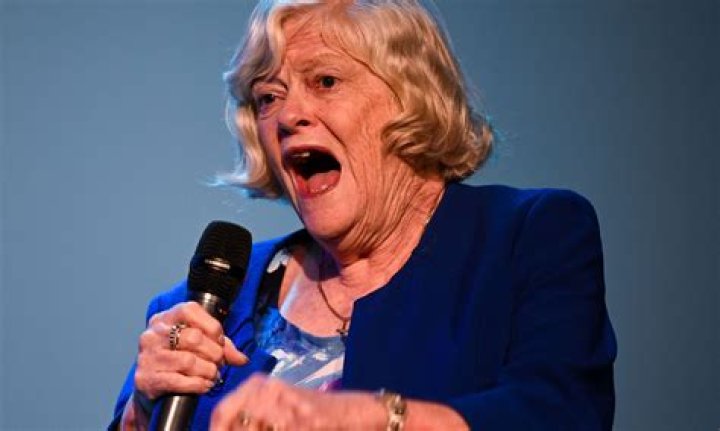
Barbara Nevins Taylor is an American ecologist and conservation biologist, known for her work with the Chesapeake Bay and other coastal ecosystems. She is a professor at the University of Maryland Center for Environmental Science and a former president of the Ecological Society of America.
Taylor's research interests include the effects of climate change and land use on coastal ecosystems. She has published over 100 peer-reviewed scientific articles and her work has been featured in numerous media outlets, including The New York Times, The Washington Post, and National Geographic.
Taylor is a strong advocate for the protection and restoration of coastal ecosystems. She has worked with policymakers and stakeholders to develop and implement conservation plans for the Chesapeake Bay and other coastal areas.
Barbara Nevins Taylor
Barbara Nevins Taylor is an American ecologist and conservation biologist, known for her work with the Chesapeake Bay and other coastal ecosystems.
- Ecologist
- Conservation biologist
- Chesapeake Bay expert
- Climate change researcher
- Land use expert
- Science communicator
- Policy advisor
- Advocate for coastal ecosystems
Taylor's research and advocacy work has helped to raise awareness of the threats facing coastal ecosystems and has led to the development of policies to protect and restore these important ecosystems.
Ecologist
Barbara Nevins Taylor is an ecologist, which means she studies the interactions between organisms and their environment. Ecologists try to understand how these interactions affect the distribution and abundance of organisms, as well as the functioning of ecosystems.
- Fieldwork
Ecologists often conduct fieldwork to collect data on the organisms and their environment. This can involve observing animals in their natural habitat, collecting soil samples, or measuring water quality. - Laboratory work
Ecologists may also conduct laboratory experiments to study the effects of environmental factors on organisms. For example, they might study the effects of pollution on the growth of plants or the effects of climate change on the behavior of animals. - Modeling
Ecologists also use mathematical models to simulate the interactions between organisms and their environment. These models can be used to predict how ecosystems will change in the future, or to evaluate the effects of different management practices. - Policy
Ecologists can use their knowledge to inform policy decisions. For example, they can provide advice on how to protect endangered species or how to mitigate the effects of climate change.
Barbara Nevins Taylor's work as an ecologist has helped us to understand the Chesapeake Bay ecosystem and the threats it faces. Her work has also helped to inform policy decisions that have protected the Bay and its resources.
Conservation biologist
Barbara Nevins Taylor is a conservation biologist, which means she works to protect and restore ecosystems and the species that live in them. Conservation biologists use their knowledge of ecology and other sciences to develop and implement conservation plans.
- Protecting ecosystems
Conservation biologists work to protect ecosystems from threats such as habitat loss, pollution, and climate change. They may do this by working with landowners to create conservation easements, advocating for policies that protect natural areas, or restoring degraded ecosystems. - Restoring ecosystems
Conservation biologists also work to restore ecosystems that have been damaged by human activities. This may involve planting trees, restoring wetlands, or reintroducing endangered species. - Working with stakeholders
Conservation biologists often work with a variety of stakeholders, including landowners, businesses, and government agencies, to develop and implement conservation plans. They may also work with local communities to educate them about the importance of conservation. - Using science to inform conservation
Conservation biologists use their knowledge of ecology and other sciences to inform their conservation work. They may conduct research to identify the threats facing a particular ecosystem or species, or to develop new conservation techniques.
Barbara Nevins Taylor's work as a conservation biologist has helped to protect and restore the Chesapeake Bay ecosystem. She has worked with stakeholders to develop and implement conservation plans, and she has used her scientific expertise to inform her conservation work.
Chesapeake Bay expert
Barbara Nevins Taylor is a Chesapeake Bay expert, which means she has a deep understanding of the Bay's ecology, its history, and the threats it faces. She has conducted extensive research on the Bay and its tributaries, and she has published numerous scientific papers and books on the subject.
Taylor's work as a Chesapeake Bay expert has helped to raise awareness of the Bay's importance and the threats it faces. She has also helped to develop and implement conservation plans to protect the Bay and its resources.
Taylor's expertise on the Chesapeake Bay is a valuable asset to the Bay's conservation efforts. Her research has helped us to understand the Bay's ecosystem and the threats it faces, and her work has helped to develop and implement conservation plans to protect the Bay and its resources.
Climate change researcher
Barbara Nevins Taylor is a climate change researcher, which means she studies the effects of climate change on ecosystems and the organisms that live in them. Climate change researchers use a variety of methods to study the effects of climate change, including field observations, laboratory experiments, and computer modeling.
- Field observations
Climate change researchers often conduct field observations to collect data on the effects of climate change on ecosystems and organisms. For example, they might study the effects of rising sea levels on coastal ecosystems, or the effects of changes in temperature and precipitation on forest ecosystems. - Laboratory experiments
Climate change researchers may also conduct laboratory experiments to study the effects of climate change on organisms. For example, they might study the effects of increased levels of carbon dioxide on the growth of plants, or the effects of changes in temperature on the behavior of animals. - Computer modeling
Climate change researchers also use computer models to simulate the effects of climate change on ecosystems and organisms. These models can be used to predict how ecosystems will change in the future, or to evaluate the effects of different policies to mitigate climate change. - Policy
Climate change researchers can use their knowledge to inform policy decisions. For example, they can provide advice on how to reduce greenhouse gas emissions or how to adapt to the effects of climate change.
Barbara Nevins Taylor's work as a climate change researcher has helped us to understand the effects of climate change on the Chesapeake Bay ecosystem. Her work has also helped to inform policy decisions to mitigate climate change and protect the Bay and its resources.
Land use expert
Barbara Nevins Taylor is a land use expert, which means she has a deep understanding of how land is used and how different land uses can affect the environment. She has conducted extensive research on land use in the Chesapeake Bay region, and she has published numerous scientific papers and books on the subject.
Taylor's work as a land use expert has helped to raise awareness of the importance of land use planning and management. She has also helped to develop and implement land use policies that protect the Chesapeake Bay and its resources.
Taylor's expertise on land use is a valuable asset to the Bay's conservation efforts. Her research has helped us to understand the effects of land use on the Bay's ecosystem, and her work has helped to develop and implement land use policies that protect the Bay and its resources.
Science communicator
Barbara Nevins Taylor is a science communicator, which means she is able to translate complex scientific information into terms that are easy to understand for non-scientists. This is an important skill for a scientist to have, as it allows them to share their research with a wider audience and to advocate for science-based policies.
Taylor has used her science communication skills to raise awareness of the Chesapeake Bay ecosystem and the threats it faces. She has written numerous popular articles and books on the Bay, and she has given countless presentations to public audiences. She has also worked with policymakers to develop and implement policies to protect the Bay.
Taylor's science communication work has helped to make the Chesapeake Bay a national priority for conservation. Her work has also helped to educate the public about the importance of science and the need to protect our environment.
Policy advisor
Barbara Nevins Taylor is a policy advisor, which means she uses her scientific knowledge to inform policy decisions. She has worked with policymakers at the local, state, and federal levels to develop and implement policies to protect the Chesapeake Bay and its resources.
Taylor's policy work has been instrumental in protecting the Bay. For example, she worked with policymakers to develop the Chesapeake Bay Program, a partnership between the federal government and the states of Maryland, Virginia, and Pennsylvania to restore and protect the Bay. She also worked with policymakers to develop the Clean Water Act, which has helped to reduce pollution in the Bay.
Taylor's work as a policy advisor is a valuable asset to the Bay's conservation efforts. Her scientific expertise and her ability to communicate complex scientific information to policymakers have helped to make the Chesapeake Bay a national priority for conservation.
Advocate for coastal ecosystems
Barbara Nevins Taylor is a strong advocate for coastal ecosystems. She has worked with policymakers, scientists, and the public to protect and restore coastal ecosystems around the world.
- Protecting coastal ecosystems
Taylor has worked to protect coastal ecosystems from a variety of threats, including pollution, climate change, and development. She has helped to develop and implement policies to protect coastal habitats, such as wetlands and seagrass beds. She has also worked to educate the public about the importance of coastal ecosystems and the threats they face. - Restoring coastal ecosystems
Taylor has also worked to restore coastal ecosystems that have been damaged by human activities. She has helped to plant trees, restore wetlands, and reintroduce endangered species. She has also worked to develop and implement policies to promote the restoration of coastal ecosystems. - Working with stakeholders
Taylor works with a variety of stakeholders, including policymakers, scientists, and the public, to protect and restore coastal ecosystems. She believes that it is important to involve all stakeholders in the decision-making process, and she works to build consensus among different groups. - Using science to inform policy
Taylor uses her scientific expertise to inform her advocacy work. She conducts research to identify the threats facing coastal ecosystems and to develop effective solutions. She also works to communicate her research findings to policymakers and the public.
Taylor's work as an advocate for coastal ecosystems has made a significant difference in the protection and restoration of these important ecosystems. She is a tireless champion for coastal ecosystems, and her work has helped to ensure that these ecosystems will continue to provide important benefits to people and wildlife for generations to come.
FAQs on Barbara Nevins Taylor
This section addresses some commonly asked questions about Barbara Nevins Taylor and her work as an ecologist, conservation biologist, and advocate for coastal ecosystems.
Question 1: What are Barbara Nevins Taylor's main areas of research?
Barbara Nevins Taylor's research interests include the effects of climate change and land use on coastal ecosystems. She has published over 100 peer-reviewed scientific articles on these topics.
Question 2: What are some of Barbara Nevins Taylor's most notable accomplishments?
Barbara Nevins Taylor is a former president of the Ecological Society of America and a recipient of the MacArthur Fellowship. She has also been recognized for her work by the Heinz Foundation and the National Science Foundation.
Question 3: What are some of the challenges facing coastal ecosystems?
Coastal ecosystems are facing a number of challenges, including pollution, climate change, and development. These challenges can lead to the loss of habitat, the degradation of water quality, and the decline of fish and wildlife populations.
Question 4: What can be done to protect and restore coastal ecosystems?
There are a number of things that can be done to protect and restore coastal ecosystems, including reducing pollution, mitigating climate change, and protecting coastal habitats. Individuals can also get involved in local conservation efforts and support organizations that are working to protect coastal ecosystems.
Question 5: What is the Chesapeake Bay Program?
The Chesapeake Bay Program is a partnership between the federal government and the states of Maryland, Virginia, and Pennsylvania to restore and protect the Chesapeake Bay. Barbara Nevins Taylor was instrumental in the development of the Chesapeake Bay Program, and she continues to work with the program to achieve its goals.
Question 6: What is the importance of Barbara Nevins Taylor's work?
Barbara Nevins Taylor's work is important because it helps us to understand the threats facing coastal ecosystems and to develop effective solutions to protect and restore these important ecosystems.
Summary
Barbara Nevins Taylor is a leading ecologist and conservation biologist who has dedicated her career to protecting and restoring coastal ecosystems. Her work has helped us to understand the threats facing coastal ecosystems and to develop effective solutions to protect and restore these important ecosystems.
Transition to the next article section
To learn more about Barbara Nevins Taylor and her work, please visit her website or read her publications.
Tips from Barbara Nevins Taylor on protecting coastal ecosystems
Coastal ecosystems are some of the most important and productive ecosystems on Earth. They provide food, shelter, and breeding grounds for a wide variety of plants and animals, and they also play a vital role in regulating the climate and protecting shorelines from erosion. However, coastal ecosystems are facing a number of threats, including pollution, climate change, and development.
Barbara Nevins Taylor is a leading ecologist and conservation biologist who has dedicated her career to protecting and restoring coastal ecosystems. Here are five tips from Taylor on how you can help protect coastal ecosystems:
Tip 1: Reduce your carbon footprint.Climate change is one of the most serious threats to coastal ecosystems. You can help reduce your carbon footprint by driving less, using less energy at home, and eating less meat.Tip 2: Choose sustainable seafood.
Overfishing is a major threat to marine ecosystems. You can help protect fish populations by choosing sustainable seafood options. Look for seafood that is certified by the Marine Stewardship Council (MSC) or the Aquaculture Stewardship Council (ASC).Tip 3: Volunteer for a local conservation organization.
There are many local organizations that are working to protect coastal ecosystems. You can volunteer your time to help with cleanups, restoration projects, and educational programs.Tip 4: Educate yourself and others about coastal ecosystems.
The more people who understand the importance of coastal ecosystems, the more likely we are to protect them. Talk to your friends and family about coastal ecosystems, and share information about the threats they face.Tip 5: Support policies that protect coastal ecosystems.
You can support policies that protect coastal ecosystems by contacting your elected officials and letting them know your views. You can also support organizations that are working to advocate for coastal conservation.
By following these tips, you can help protect coastal ecosystems and ensure that they continue to provide benefits for future generations.
Transition to the article's conclusion
Coastal ecosystems are vital to the health of our planet. By taking action to protect coastal ecosystems, we can help ensure a healthy future for ourselves and for generations to come.
Conclusion
Barbara Nevins Taylor is a leading ecologist and conservation biologist who has dedicated her career to protecting and restoring coastal ecosystems. Her work has helped us to understand the threats facing coastal ecosystems and to develop effective solutions to protect and restore these important ecosystems.
Coastal ecosystems are vital to the health of our planet. They provide food, shelter, and breeding grounds for a wide variety of plants and animals, and they also play a vital role in regulating the climate and protecting shorelines from erosion. However, coastal ecosystems are facing a number of threats, including pollution, climate change, and development.
We all have a role to play in protecting coastal ecosystems. We can reduce our carbon footprint, choose sustainable seafood, volunteer for a local conservation organization, educate ourselves and others about coastal ecosystems, and support policies that protect coastal ecosystems.
By taking action to protect coastal ecosystems, we can help ensure a healthy future for ourselves and for generations to come.