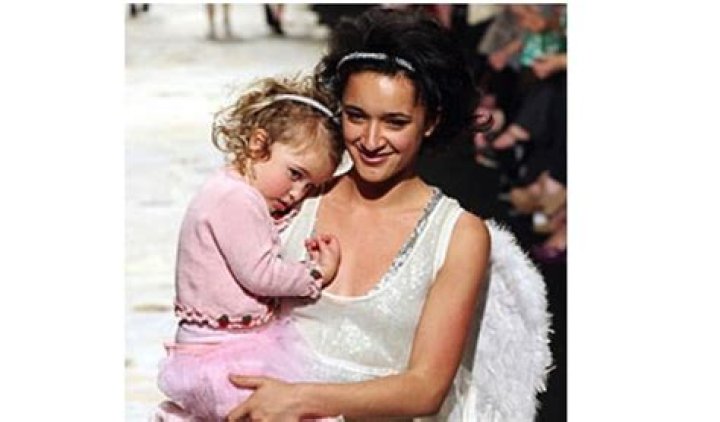
"Stacey Dash Says She Has Forgiven Her" is a quote from Stacey Dash, an American actress, and political commentator. In a 2018 interview, Dash said that she had forgiven her father for his past abusive behavior. Dash's statement was met with both praise and criticism, with some people commending her for her strength and forgiveness, while others criticized her for condoning abuse.
Forgiveness is a complex and personal process, and there is no right or wrong answer when it comes to whether or not to forgive someone who has wronged you. However, research has shown that forgiveness can have a number of benefits, including reducing stress, improving mental health, and promoting physical health. Forgiveness can also help to break the cycle of violence and abuse.
In the case of Stacey Dash, her decision to forgive her father was a personal one. She has said that she forgave him because she wanted to move on with her life and be happy. Dash's story is a reminder that forgiveness is a powerful tool that can help people to heal from the pain of the past.
Stacey Dash Says She Has Forgiven Her
In 2018, Stacey Dash, an American actress, and political commentator, announced that she had forgiven her father for his past abusive behavior. Dash's statement sparked a conversation about forgiveness, its benefits, and its complexities.
- Personal decision: Forgiveness is a deeply personal choice that can only be made by the individual who has been wronged.
- Healing: Forgiveness can help people to heal from the pain of the past and move on with their lives.
- Breaking the cycle: Forgiveness can help to break the cycle of violence and abuse.
- Strength: It takes strength and courage to forgive someone who has wronged you.
- Not condoning: Forgiveness does not mean condoning the behavior of the person who wronged you.
- Moving on: Forgiveness can help you to let go of anger and resentment and move on with your life.
- Benefits: Research has shown that forgiveness can have a number of benefits, including reducing stress, improving mental health, and promoting physical health.
- Complex: Forgiveness is a complex process that can take time and effort.
- Not always possible: Forgiveness is not always possible, especially in cases of severe abuse or trauma.
- Controversial: The decision to forgive someone who has wronged you can be controversial, and there is no right or wrong answer.
Dash's decision to forgive her father was a personal one, and it is important to remember that forgiveness is not always possible or appropriate. However, Dash's story is a reminder that forgiveness can be a powerful tool for healing and moving on with one's life.
Personal decision
Forgiveness is a complex and personal process, and there is no right or wrong answer when it comes to whether or not to forgive someone who has wronged you. However, it is important to remember that forgiveness is a choice that can only be made by the individual who has been wronged. No one else can tell you whether or not you should forgive someone, and no one can force you to forgive someone if you are not ready.
In the case of Stacey Dash, her decision to forgive her father was a personal one. She has said that she forgave him because she wanted to move on with her life and be happy. Dash's story is a reminder that forgiveness is a powerful tool that can help people to heal from the pain of the past. However, it is important to remember that forgiveness is not always possible or appropriate. In some cases, it may be necessary to distance yourself from someone who has wronged you in order to protect your own well-being.
Ultimately, the decision of whether or not to forgive someone is a personal one. There is no right or wrong answer, and there is no timeline for forgiveness. If you are struggling with the decision of whether or not to forgive someone, it is important to seek professional help. A therapist can help you to process your emotions and make the best decision for yourself.
Healing
Forgiveness is a powerful tool that can help people to heal from the pain of the past and move on with their lives. When we forgive someone, we are not condoning their behavior or excusing their actions. Rather, we are choosing to let go of the anger and resentment that we have been holding onto. This can be a difficult process, but it is one that can be incredibly liberating.
Stacey Dash's decision to forgive her father is a powerful example of the healing power of forgiveness. Dash's father was abusive, and she struggled for many years to come to terms with his behavior. However, she eventually realized that she needed to forgive him in order to move on with her own life. Dash's story is a reminder that forgiveness is possible, even in the most difficult circumstances.
There are many benefits to forgiveness. Forgiveness can help to reduce stress, improve mental health, and promote physical health. Forgiveness can also help to break the cycle of violence and abuse. When we forgive someone, we are not only helping ourselves to heal, but we are also helping to create a more peaceful world.
If you are struggling to forgive someone, it is important to remember that you are not alone. There are many resources available to help you on your journey. You can talk to a therapist, join a support group, or read books about forgiveness. With time and effort, you can learn to forgive and move on with your life.
Breaking the cycle
Forgiveness is a powerful tool that can help to break the cycle of violence and abuse. When someone is forgiven, they are given the opportunity to change their behavior and make amends for their past actions. This can lead to a more peaceful and harmonious society.
- Understanding the cycle of violence and abuse
The cycle of violence and abuse is a pattern of behavior that often repeats itself. It can involve physical, emotional, or sexual abuse. The cycle begins with tension building up in a relationship. This tension can be caused by a variety of factors, such as stress, financial problems, or infidelity. The tension eventually leads to an outburst of violence or abuse. After the outburst, there is often a period of reconciliation. The abuser may apologize for their behavior and promise to change. However, the cycle often repeats itself. - The role of forgiveness in breaking the cycle
Forgiveness can help to break the cycle of violence and abuse by interrupting the pattern of behavior. When someone is forgiven, they are given the opportunity to change their behavior and make amends for their past actions. This can lead to a more peaceful and harmonious relationship. - Examples of forgiveness breaking the cycle
There are many examples of forgiveness breaking the cycle of violence and abuse. One example is the story of Stacey Dash. Dash's father was abusive, and she struggled for many years to come to terms with his behavior. However, she eventually realized that she needed to forgive him in order to move on with her own life. Dash's story is a powerful example of the healing power of forgiveness. - Implications for Stacey Dash Says She Has Forgiven Her
Stacey Dash's decision to forgive her father is a powerful example of the healing power of forgiveness. Her story shows that forgiveness is possible, even in the most difficult circumstances. Dash's story also highlights the importance of forgiveness in breaking the cycle of violence and abuse.
Forgiveness is not always easy, but it is a powerful tool that can help to break the cycle of violence and abuse. If you are struggling to forgive someone, it is important to remember that you are not alone. There are many resources available to help you on your journey. You can talk to a therapist, join a support group, or read books about forgiveness. With time and effort, you can learn to forgive and move on with your life.
Strength
Forgiveness is not a sign of weakness. In fact, it takes great strength and courage to forgive someone who has wronged you. When you forgive someone, you are not condoning their behavior or excusing their actions. Rather, you are choosing to let go of the anger and resentment that you have been holding onto. This can be a difficult process, but it is one that can be incredibly liberating.
- Understanding the strength required for forgiveness
Forgiveness requires strength because it involves letting go of negative emotions and choosing to move on. This can be difficult, especially if the person who wronged you has caused you a great deal of pain. However, forgiveness is not about forgetting the past. It is about choosing to let go of the anger and resentment that you have been holding onto. - Examples of strength in forgiveness
There are many examples of people who have shown great strength in forgiveness. One example is Stacey Dash. Dash's father was abusive, and she struggled for many years to come to terms with his behavior. However, she eventually realized that she needed to forgive him in order to move on with her own life. Dash's story is a powerful example of the healing power of forgiveness. - Implications for Stacey Dash Says She Has Forgiven Her
Stacey Dash's decision to forgive her father is a powerful example of the strength and courage that it takes to forgive someone who has wronged you. Dash's story shows that forgiveness is possible, even in the most difficult circumstances.
Forgiveness is not always easy, but it is a powerful tool that can help you to heal from the pain of the past and move on with your life. If you are struggling to forgive someone, it is important to remember that you are not alone. There are many resources available to help you on your journey. You can talk to a therapist, join a support group, or read books about forgiveness. With time and effort, you can learn to forgive and move on with your life.
Not condoning
Forgiveness is a complex and multifaceted concept. It can be difficult to understand, and it is often misunderstood. One common misconception about forgiveness is that it means condoning or excusing the behavior of the person who wronged you. This is not true. Forgiveness is about letting go of anger and resentment, and it does not mean that you are approving of or excusing the other person's behavior.
Stacey Dash's decision to forgive her father is a powerful example of this. Dash's father was abusive, and she struggled for many years to come to terms with his behavior. However, she eventually realized that she needed to forgive him in order to move on with her own life. Dash's story shows that forgiveness is possible, even in the most difficult circumstances. It also shows that forgiveness does not mean condoning or excusing the other person's behavior.
Forgiveness is a personal decision, and there is no right or wrong answer. However, it is important to remember that forgiveness is not about condoning the behavior of the person who wronged you. Forgiveness is about letting go of anger and resentment, and it is about choosing to move on with your own life.
Moving on
Forgiveness is a powerful tool that can help you to let go of anger and resentment and move on with your life. When you forgive someone, you are not condoning their behavior or excusing their actions. Rather, you are choosing to let go of the negative emotions that you have been holding onto. This can be a difficult process, but it is one that can be incredibly liberating.
- Letting go of anger and resentment
Anger and resentment are two of the most destructive emotions that we can hold onto. They can eat away at us, making us bitter and unhappy. Forgiveness can help us to let go of these negative emotions and move on with our lives.Stacey Dash's decision to forgive her father is a powerful example of this. Dash's father was abusive, and she struggled for many years to come to terms with his behavior. However, she eventually realized that she needed to forgive him in order to move on with her own life. Dash's story shows that forgiveness is possible, even in the most difficult circumstances.
- Moving on with your life
Forgiveness can help you to move on with your life by allowing you to let go of the past. When you forgive someone, you are not forgetting the past. However, you are choosing to let go of the anger and resentment that you have been holding onto. This can free you up to live a happier and more fulfilling life.Dash's story is a powerful example of the healing power of forgiveness. Dash was able to forgive her father and move on with her life. She is now a successful actress and political commentator. Dash's story shows that forgiveness is possible and that it can lead to a happier and more fulfilling life.
Forgiveness is not always easy, but it is a powerful tool that can help you to let go of anger and resentment and move on with your life. If you are struggling to forgive someone, it is important to remember that you are not alone. There are many resources available to help you on your journey. You can talk to a therapist, join a support group, or read books about forgiveness. With time and effort, you can learn to forgive and move on with your life.
Benefits
Forgiveness has been shown to have a number of benefits, both mental and physical. These benefits include reducing stress, improving mental health, and promoting physical health. Stacey Dash's decision to forgive her father is a powerful example of the healing power of forgiveness.
- Reducing stress
Forgiveness can help to reduce stress by helping people to let go of anger and resentment. Holding onto anger and resentment can take a toll on our mental and physical health. Forgiveness can help to break this cycle and promote relaxation and peace of mind.
- Improving mental health
Forgiveness has been shown to improve mental health by reducing symptoms of depression, anxiety, and post-traumatic stress disorder (PTSD). Forgiveness can also help to improve self-esteem and resilience.
- Promoting physical health
Forgiveness has been shown to promote physical health by reducing inflammation, improving sleep, and boosting the immune system. Forgiveness can also help to lower blood pressure and reduce the risk of heart disease.
Stacey Dash's decision to forgive her father is a powerful example of the healing power of forgiveness. Dash's father was abusive, and she struggled for many years to come to terms with his behavior. However, she eventually realized that she needed to forgive him in order to move on with her own life. Dash's story shows that forgiveness is possible, even in the most difficult circumstances. It also shows that forgiveness can have a number of benefits, both mental and physical.
Complex
Forgiveness is a complex process that can take time and effort, as exemplified by Stacey Dash's journey of forgiving her abusive father. The complexity of forgiveness lies in the intricate emotions, memories, and beliefs that shape our experiences of being wronged.
In the case of Stacey Dash, forgiving her father required her to confront the pain and trauma he had inflicted upon her. She had to grapple with the conflicting emotions of anger, resentment, and a desire for justice. Through a process of self-reflection and seeking professional help, Dash gradually navigated the challenges of forgiveness.
The importance of recognizing forgiveness as a complex process cannot be overstated. It allows us to approach forgiveness with realistic expectations, understanding that it is not a linear or easy path. Stacey Dash's story highlights the significance of seeking support and guidance when embarking on the journey of forgiveness.
Not always possible
The statement "forgiveness is not always possible, especially in cases of severe abuse or trauma" acknowledges the complexities and limitations of forgiveness. While forgiveness can be a powerful tool for healing and moving forward, it is essential to recognize that it may not be attainable or appropriate in all situations, particularly those involving severe abuse or trauma.
In the case of Stacey Dash, her decision to forgive her abusive father was a personal one. However, it is important to note that her experience does not diminish the validity of the statement that forgiveness is not always possible. Severe abuse and trauma can have profound and lasting effects on an individual's psychological and emotional well-being, making forgiveness an extremely challenging or even impossible task.
Understanding the limitations of forgiveness is crucial for several reasons. First, it prevents us from placing unrealistic expectations on ourselves or others. Forgiveness should not be seen as a mandatory or necessary step in the healing process. For some individuals, attempting to forgive may cause further pain or retraumatization. Second, it allows us to be more compassionate and understanding towards those who are unable to forgive. Forgiveness is a deeply personal journey, and it is important to respect the choices and boundaries of others.
Ultimately, the decision of whether or not to forgive is a complex one that should be made on a case-by-case basis. There is no right or wrong answer, and there is no shame in acknowledging that forgiveness may not be possible in certain situations. By respecting the limitations of forgiveness, we can create a more supportive and understanding environment for healing and recovery.
Controversial
The decision to forgive someone who has wronged you can be a controversial one, as exemplified by Stacey Dash's decision to forgive her abusive father. There is no right or wrong answer when it comes to forgiveness, and the decision of whether or not to forgive is a deeply personal one.
- Subjective nature of forgiveness
Forgiveness is a subjective experience that varies from person to person. What one person may consider to be a forgivable offense, another person may not. This subjectivity can lead to disagreements and controversy when it comes to the decision to forgive.
- Impact on the victim
The decision to forgive can have a significant impact on the victim of the wrong. Forgiveness can be a healing and liberating experience, but it can also be seen as a betrayal or a condoning of the wrong that was done. It is important to consider the potential impact on the victim before making the decision to forgive.
- Societal norms and expectations
Societal norms and expectations can also play a role in the decision to forgive. In some cultures, forgiveness is seen as a virtue, while in others it is seen as a weakness. These societal norms can influence the way that people view and respond to the decision to forgive.
- Legal implications
In some cases, the decision to forgive may have legal implications. For example, if someone has been convicted of a crime, the victim may be asked whether they forgive the perpetrator as part of the sentencing process. In these cases, the decision to forgive can be particularly complex and controversial.
Ultimately, the decision of whether or not to forgive is a personal one that should be made on a case-by-case basis. There is no right or wrong answer, and it is important to weigh all of the factors involved before making a decision.
FAQs on "Stacey Dash Says She Has Forgiven Her"
The topic of forgiveness is a complex and multifaceted one, and Stacey Dash's decision to forgive her abusive father has sparked many questions and discussions. This FAQ section aims to address some of the common concerns or misconceptions surrounding forgiveness.
Question 1: What does it mean to forgive someone?
Answer: Forgiveness is the act of letting go of anger, resentment, and other negative emotions towards someone who has wronged you. It does not mean condoning or excusing their behavior, but rather choosing to release the burden of holding onto those negative emotions.
Question 2: Is forgiveness always the right thing to do?
Answer: Forgiveness is a personal decision, and there is no right or wrong answer. Some people find that forgiveness helps them to heal and move on, while others may not be ready or able to forgive. It is important to respect the choices of others and not judge them for their decisions.
Question 3: Can forgiveness be harmful?
Answer: In some cases, forgiveness can be harmful if it is done prematurely or without proper consideration. For example, if someone has been severely abused, they may not be ready to forgive their abuser. Attempting to force forgiveness in such cases can retraumatize the victim and hinder their healing process.
Question 4: What are the benefits of forgiveness?
Answer: Forgiveness can have many benefits, both for the person who forgives and the person who is forgiven. Forgiveness can reduce stress, improve mental health, and promote physical health. It can also help to break the cycle of violence and abuse.
Question 5: How can I forgive someone who has wronged me?
Answer: Forgiveness is a journey, and there is no one-size-fits-all approach. However, there are some general steps that you can take to begin the process of forgiveness. These steps include acknowledging the hurt that was done to you, understanding the other person's perspective, and letting go of your anger and resentment.
Question 6: What if I can't forgive someone?
Answer: Forgiving someone can be a difficult and challenging process. If you are struggling to forgive someone, it is important to be patient with yourself. Forgiveness takes time and effort, and it is okay if you are not ready to forgive right away. Seek support from friends, family, or a therapist if needed.
Forgiveness is a powerful tool that can help to heal wounds and promote peace. However, it is important to remember that forgiveness is a personal decision, and there is no right or wrong answer. Respect the choices of others, and be patient with yourself on your own journey of forgiveness.
Transition to the next article section:
Tips on Forgiveness
The journey of forgiveness is a personal and challenging one. However, there are some general tips that can help you to begin the process of forgiveness.
Acknowledge the hurt that was done to you.The first step to forgiveness is to acknowledge the hurt that was done to you. This means recognizing the pain and suffering that you have experienced. It is important to allow yourself to feel these emotions fully before you can begin to let them go.Understand the other person's perspective.
Once you have acknowledged the hurt that was done to you, try to understand the other person's perspective. This does not mean condoning or excusing their behavior, but rather trying to see things from their point of view. Understanding the other person's perspective can help you to develop compassion and empathy for them.Let go of your anger and resentment.
Holding onto anger and resentment will only hurt you in the long run. Forgiveness is about letting go of these negative emotions and choosing to move on with your life. There are many different ways to let go of anger and resentment, such as talking to a therapist, writing in a journal, or practicing meditation.Seek support from others.
Forgiveness is a difficult process, and it is important to seek support from others who can help you on your journey. Talk to friends, family, or a therapist about what you are going through. They can offer you support and guidance, and help you to stay on track.Be patient with yourself.
Forgiveness takes time and effort. Do not get discouraged if you are not able to forgive someone right away. Be patient with yourself and keep working at it. Eventually, you will be able to let go of your anger and resentment and move on with your life.
Forgiveness is a powerful tool that can help you to heal wounds and promote peace. By following these tips, you can begin the journey of forgiveness and experience the many benefits that it has to offer.
Conclusion:
Forgiveness is a personal and challenging journey, but it is one that can lead to great healing and peace. By following these tips, you can begin the process of forgiveness and experience the many benefits that it has to offer.Conclusion
Stacey Dash's decision to forgive her abusive father has sparked many discussions about the nature of forgiveness. Forgiveness is a complex and personal process, and there is no right or wrong answer when it comes to whether or not to forgive someone who has wronged you. However, forgiveness can be a powerful tool for healing and moving on with your life.
If you are struggling to forgive someone, it is important to remember that you are not alone. There are many resources available to help you on your journey. Talk to a therapist, join a support group, or read books about forgiveness. With time and effort, you can learn to forgive and move on with your life.
Forgiveness is not always easy, but it is possible. By following the tips outlined in this article, you can begin the journey of forgiveness and experience the many benefits that it has to offer. Unraveling The Mystery: A Comprehensive Guide To The Jonathan Tucker Missing Case In 2023
Wendy Crewson's Triumph: Uncovering Success Beyond Expectations
Uncover The Essence Of "Viola": A Cinematic Adventure With Thuso Mbedu