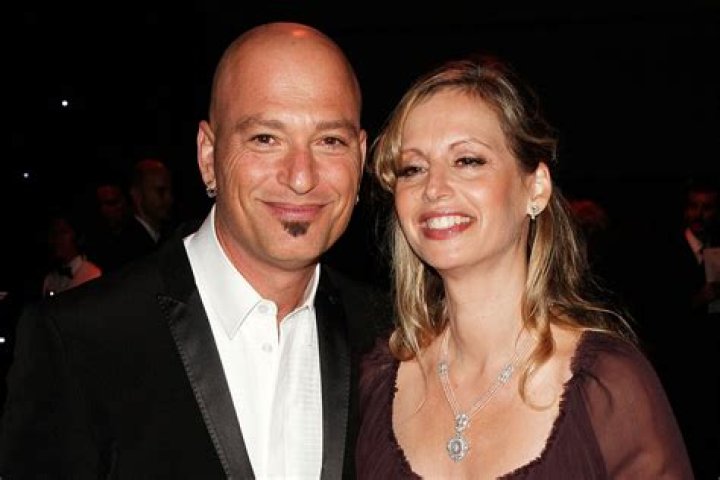
Melyssa Ford is an American model and actress known for her appearances in magazines such as King, Smooth, and XXL. She has also appeared in several music videos and reality television shows.
Ford has been open about her experiences with breast augmentation surgery, and she has spoken out about the importance of body positivity and self-acceptance. She has also been a vocal advocate for women's rights and empowerment.
Ford's story is an inspiring one, and it serves as a reminder that women should be proud of their bodies, no matter what size or shape they are. She is a role model for women everywhere, and her message of self-acceptance is one that everyone should hear.
Melyssa Ford
Melyssa Ford is an American model known for her appearances in magazines, music videos, and reality television shows. She has been open about her experiences with breast augmentation surgery, and she has spoken out about the importance of body positivity and self-acceptance.
- Body image
- Self-acceptance
- Breast augmentation
- Media representation
- Women's empowerment
- Beauty standards
- Objectification
- Sexuality
- Personal journey
These key aspects explore various dimensions related to Melyssa Ford's nipple, considering its significance as a symbol of body image, self-acceptance, and women's empowerment. Ford's journey and advocacy challenge traditional beauty standards and societal expectations, promoting a positive and inclusive representation of women in the media. Her story serves as a reminder that women should be proud of their bodies, no matter what size or shape they are.
Body image
Body image refers to the way a person perceives their own body, including their physical appearance, shape, and size. It can be influenced by a variety of factors, including media, peers, and personal experiences. Melyssa Ford's nipple has become a symbol of body image and self-acceptance, as she has been open about her experiences with breast augmentation surgery and has spoken out against unrealistic beauty standards.
- Facet 1: The media's portrayal of women
The media often portrays women with unrealistic body types, which can lead to negative body image in women who do not meet these standards. Melyssa Ford has spoken out against this unrealistic portrayal of women, and she has encouraged women to love their bodies no matter what size or shape they are. - Facet 2: The impact of social media
Social media can also have a negative impact on body image, as people often compare themselves to others online and may feel inadequate if they do not measure up. Melyssa Ford has used her social media platform to promote body positivity and to encourage women to be proud of their bodies. - Facet 3: The importance of self-acceptance
Self-acceptance is key to having a positive body image. Melyssa Ford has said that she has learned to love her body after years of struggling with negative body image. She encourages other women to do the same and to focus on their own unique beauty. - Facet 4: The power of advocacy
Melyssa Ford has used her platform to advocate for body positivity and self-acceptance. She has spoken out against unrealistic beauty standards and has encouraged women to love their bodies no matter what size or shape they are. Her advocacy has helped to raise awareness of the importance of body image and has inspired other women to embrace their own bodies.
Melyssa Ford's nipple has become a symbol of body image and self-acceptance. She has used her platform to speak out against unrealistic beauty standards and to encourage women to love their bodies no matter what size or shape they are. Her advocacy has helped to raise awareness of the importance of body image and has inspired other women to embrace their own bodies.
Self-acceptance
Self-acceptance is the ability to recognize and appreciate one's own worth and value, regardless of their flaws or shortcomings. It involves accepting oneself unconditionally, both physically and mentally, and recognizing that one is worthy of love and respect. Melyssa Ford's nipple has become a symbol of self-acceptance, as she has been open about her experiences with breast augmentation surgery and has spoken out against unrealistic beauty standards.
Self-acceptance is an important component of Melyssa Ford's nipple because it allows her to be comfortable in her own skin and to be proud of her body. She has said that she has learned to love her body after years of struggling with negative body image, and she encourages other women to do the same. Melyssa Ford's self-acceptance is inspiring, and it sends a powerful message that women should be proud of their bodies, no matter what size or shape they are.
Self-acceptance is a challenge for many people, but it is an important goal to strive for. When we accept ourselves, we are more likely to be happy and successful in all areas of our lives. We are also more likely to be kind and compassionate towards others. Melyssa Ford's nipple is a reminder that self-acceptance is possible, and that it is a journey worth taking.
Breast augmentation
Breast augmentation is a surgical procedure that increases the size and fullness of the breasts. It is typically performed for cosmetic reasons, but it can also be used to reconstruct breasts that have been damaged or lost due to cancer or other trauma.
Melyssa Ford is an American model who has undergone breast augmentation surgery. She has been open about her decision to have surgery, and she has spoken out about the positive impact it has had on her life. Ford has said that breast augmentation surgery has helped her to feel more confident and more feminine.
The connection between breast augmentation and Melyssa Ford's nipple is significant because it highlights the role that breast augmentation can play in helping women to feel more confident and comfortable in their own bodies. Breast augmentation can be a life-changing surgery for women who are unhappy with the size or shape of their breasts. It can help them to achieve a more balanced and proportionate figure, and it can also boost their self-esteem.
However, it is important to remember that breast augmentation is a surgical procedure, and it is important to weigh the risks and benefits before making a decision about whether or not to have surgery. It is also important to choose a qualified and experienced surgeon who can help you to achieve the results you desire.
Media representation
Media representation refers to the way in which a particular group of people or an issue is portrayed in the media. It can have a powerful impact on how the public perceives and understands that group or issue. In the case of Melyssa Ford's nipple, media representation has played a significant role in shaping public opinion about her and her body.
Ford has been featured in a number of magazines and other media outlets, often in revealing clothing or poses. This has led to her being labeled as a "sex symbol" and has contributed to the public's perception of her as a sexual object. However, Ford has also spoken out about her experiences with breast augmentation surgery and has used her platform to promote body positivity and self-acceptance. This has helped to challenge the media's narrow portrayal of women and has shown that there is more to Ford than just her physical appearance.
The media's representation of Melyssa Ford is a complex and multifaceted issue. It has both positive and negative aspects, and it is important to be aware of the impact that media representation can have on public opinion. By understanding the connection between media representation and Melyssa Ford's nipple, we can better understand the ways in which the media can shape our perceptions of women and their bodies.
Women's empowerment
Women's empowerment is the process of increasing the power and influence of women in all aspects of society. It involves promoting women's rights, autonomy, and self-determination, as well as challenging the gender stereotypes and discrimination that limit women's opportunities and life choices.
Melyssa Ford's nipple has become a symbol of women's empowerment because it represents her refusal to conform to society's expectations about how women should look and behave. Ford has been open about her experiences with breast augmentation surgery, and she has spoken out against unrealistic beauty standards. She has also used her platform to promote body positivity and self-acceptance, and she has encouraged other women to embrace their own bodies.
Ford's story is an inspiring example of women's empowerment. She has shown that women can be strong, confident, and beautiful, regardless of their size or shape. She has also shown that women have the right to make choices about their own bodies, and that they should not be judged for those choices.
The connection between women's empowerment and Melyssa Ford's nipple is significant because it highlights the importance of women's self-determination and bodily autonomy. Ford's story shows that women can be empowered when they are free to make choices about their own bodies, and when they are not judged for those choices.
Beauty standards
Beauty standards are the socially constructed norms that define what is considered attractive and desirable in a particular culture or society. These standards can vary widely across cultures and over time, and they can have a significant impact on how people view themselves and others.
Melyssa Ford's nipple has become a symbol of the challenge to traditional beauty standards. Ford is a model who has undergone breast augmentation surgery, and she has been open about her decision to do so. She has said that she believes that women should be free to make choices about their own bodies, and that they should not be judged for those choices.
Ford's decision to have breast augmentation surgery has been met with both praise and criticism. Some people have praised her for her courage and for challenging traditional beauty standards. Others have criticized her for promoting unrealistic body ideals. However, Ford's decision has sparked an important conversation about the role of beauty standards in society.
The connection between beauty standards and Melyssa Ford's nipple is significant because it highlights the complex and often contradictory nature of beauty standards. On the one hand, beauty standards can be empowering, giving people a sense of belonging and acceptance. On the other hand, beauty standards can be oppressive, making people feel like they are not good enough if they do not meet those standards.
It is important to be aware of the impact that beauty standards can have on our lives. We should all be critical of beauty standards and challenge those that are unrealistic or harmful. We should also celebrate diversity and individuality, and recognize that there is no one right way to look.
Objectification
Objectification is the act of treating a person as an object, rather than as a human being. It can involve reducing a person to their physical appearance, their sexual value, or their usefulness to others. Objectification can be expressed through a variety of behaviors, including sexual harassment, violence, and discrimination.
- Facet 1: The commodification of women
The media often objectifies women by portraying them as sexual objects. This can be seen in advertising, music videos, and other forms of media. The commodification of women reduces them to their physical appearance and their value as sexual objects, rather than recognizing them as human beings with complex thoughts and feelings. - Facet 2: The male gaze
The male gaze is a term used to describe the way in which women are often viewed through the eyes of men. The male gaze objectifies women by reducing them to objects of desire. This can be seen in the way that women are often portrayed in film, television, and other forms of media. - Facet 3: The impact of objectification on women
Objectification can have a negative impact on women's self-esteem and body image. It can also lead to discrimination and violence against women. Objectification is a serious problem that needs to be addressed. - Facet 4: The connection between objectification and "melyssa ford nipple"
Melyssa Ford's nipple has become a symbol of the objectification of women. Ford is a model who has undergone breast augmentation surgery, and she has been open about her decision to do so. She has said that she believes that women should be free to make choices about their own bodies, and that they should not be judged for those choices. However, Ford's decision to have breast augmentation surgery has been met with criticism from some people who believe that she is promoting unrealistic body ideals. This criticism is a reflection of the way in which women are often objectified and judged for their physical appearance.
The connection between objectification and "melyssa ford nipple" is significant because it highlights the complex and often contradictory nature of beauty standards. On the one hand, beauty standards can be empowering, giving people a sense of belonging and acceptance. On the other hand, beauty standards can be oppressive, making people feel like they are not good enough if they do not meet those standards. It is important to be aware of the impact that beauty standards can have on our lives. We should all be critical of beauty standards and challenge those that are unrealistic or harmful. We should also celebrate diversity and individuality, and recognize that there is no one right way to look.
Sexuality
Sexuality is a complex and multifaceted aspect of human existence, encompassing our physical, emotional, and psychological responses to sexual stimuli. In the context of "melyssa ford nipple," sexuality becomes a significant factor in understanding the broader cultural implications and perceptions surrounding the image and its representation of female sexuality.
- Facet 1: Sexual Objectification and Empowerment
Melyssa Ford's decision to undergo breast augmentation surgery and publicly share her experience has sparked discussions surrounding female autonomy and the right to make choices about one's own body. While some may argue that such actions objectify women and reinforce patriarchal beauty standards, others view it as an act of empowerment, where women reclaim control over their sexuality and challenge societal norms.
- Facet 2: The Male Gaze and Representation
The image of "melyssa ford nipple" has been widely circulated and consumed within a predominantly male gaze, shaping how female sexuality is perceived and represented in the media. This gaze often reduces women to objects of desire, reinforcing the power dynamics and objectification prevalent in mainstream culture.
- Facet 3: Censorship and Moral Panic
The image of "melyssa ford nipple" has also faced censorship and moral panic, with some viewing it as inappropriate or indecent. This highlights the ongoing debates surrounding the boundaries of acceptable female expression and the policing of women's bodies in public spaces.
The exploration of "Sexuality" in relation to "melyssa ford nipple" unveils the intricate interplay between personal choice, societal norms, and cultural perceptions. It invites us to critically examine the power dynamics, objectification, and representation of female sexuality within contemporary culture.
Personal journey
The personal journey of Melyssa Ford, an American model and actress, offers a unique lens through which to explore the complex relationship between body image, self-acceptance, and societal standards of beauty. Her decision to undergo breast augmentation surgery and publically share her experience has sparked discussions surrounding female autonomy, empowerment, and the challenges of navigating a media-saturated culture.
- Facet 1: Self-acceptance and Embracing Individuality
Melyssa Ford's journey towards self-acceptance involved confronting societal pressures and embracing her own unique beauty. Through her decision to have breast augmentation surgery, she reclaimed control over her body and asserted her right to make choices that aligned with her personal values, regardless of external expectations.
- Facet 2: The Impact of Media and Cultural Norms
Ford's personal journey also highlights the profound influence of media and cultural norms on body image and self-perception. The constant bombardment of idealized images can create a distorted sense of reality, leading to feelings of inadequacy and dissatisfaction. Ford's choice to defy these unrealistic standards and prioritize her own well-being serves as a reminder of the importance of critical media literacy.
- Facet 3: The Power of Vulnerability and Authenticity
By openly sharing her personal journey, Ford has demonstrated the power of vulnerability and authenticity in fostering human connection and promoting self-acceptance. Her willingness to embrace her experiences and share her struggles has resonated with countless individuals, offering solace and inspiration to those grappling with similar challenges.
- Facet 4: Advocating for Inclusivity and Body Positivity
Ford's platform as a public figure has enabled her to advocate for inclusivity and body positivity, challenging narrow beauty ideals and promoting a more diverse and realistic representation of women in the media. Her voice adds to the growing movement towards greater acceptance and appreciation of all body types and identities.
Melyssa Ford's personal journey continues to inspire and empower individuals to embrace their own unique beauty and challenge societal norms. Her story reminds us that self-acceptance is a journey, not a destination, and that true beauty lies in authenticity and the courage to be true to oneself.
Frequently Asked Questions about "Melyssa Ford Nipple"
This section addresses commonly asked questions and misconceptions surrounding the topic of "Melyssa Ford Nipple".
Question 1: What is the significance of "Melyssa Ford Nipple"?
Answer: "Melyssa Ford Nipple" has become a symbol of body positivity, self-acceptance, and female empowerment. Ford's decision to undergo breast augmentation surgery and publicly share her experience has sparked important discussions about beauty standards, objectification, and the right to make choices about one's own body.
Question 2: How does "Melyssa Ford Nipple" challenge traditional beauty standards?
Answer: By openly embracing her choice to have breast augmentation surgery, Melyssa Ford challenges narrow and unrealistic beauty ideals that often objectify women and prioritize appearance over individuality. Her actions promote a more inclusive and diverse representation of female beauty.
Question 3: What are the implications of "Melyssa Ford Nipple" for objectification and female empowerment?
Answer: Ford's decision to share her experience has sparked discussions about the objectification of women's bodies and the importance of female empowerment. It highlights the need to respect women's choices and recognize their right to make decisions about their own bodies, free from judgment or objectification.
Question 4: How does "Melyssa Ford Nipple" relate to media representation and body image?
Answer: Ford's journey and her decision to share her experience have brought attention to the impact of media representation on body image and self-acceptance. It emphasizes the need for more diverse and realistic representations of women in the media to promote a healthier and more positive body image.
Question 5: What is the significance of "Melyssa Ford Nipple" in the context of personal journeys and self-acceptance?
Answer: Ford's personal journey and her decision to undergo breast augmentation surgery highlight the importance of self-acceptance and embracing one's own unique beauty. Her story empowers others to challenge societal pressures, prioritize their well-being, and embrace their individuality.
Question 6: What are the key takeaways and implications of "Melyssa Ford Nipple"?
Answer: The key takeaways from "Melyssa Ford Nipple" include the importance of body positivity, self-acceptance, female empowerment, and challenging traditional beauty standards. It emphasizes the need for a more inclusive and diverse representation of women in the media and highlights the power of personal journeys in promoting self-acceptance.
In summary, "Melyssa Ford Nipple" has become a significant topic that raises important questions about body image, female empowerment, and the challenges of navigating societal beauty standards. It encourages self-acceptance, promotes inclusivity, and highlights the power of embracing one's own unique beauty.
Transition to the Next Section: Exploring the broader societal and cultural implications of "Melyssa Ford Nipple".
Tips Regarding "Melyssa Ford Nipple"
The topic of "Melyssa Ford Nipple" encompasses significant implications for body image, self-acceptance, and female empowerment. Here are some crucial tips to consider:
Tip 1: Embrace Body Positivity
Recognize and appreciate the beauty and value of all body types. Challenge unrealistic beauty standards and promote a culture of inclusivity and self-acceptance.
Tip 2: Respect Individual Choices
Understand that individuals have the right to make choices about their own bodies, including decisions related to breast augmentation or other cosmetic procedures. Respect these choices without judgment.
Tip 3: Challenge Objectification
Be mindful of the ways in which women's bodies are often objectified and sexualized in media and popular culture. Actively challenge and speak out against objectification.
Tip 4: Promote Diverse Representation
Advocate for a more diverse and inclusive representation of women in the media and other platforms. This includes showcasing a wider range of body types, backgrounds, and perspectives.
Tip 5: Support Personal Journeys
Recognize and support the personal journeys of individuals like Melyssa Ford, who have shared their experiences and stories to promote self-acceptance and challenge societal norms.
Tip 6: Encourage Self-Love
Cultivate a mindset of self-love and acceptance. Focus on your unique qualities and attributes rather than conforming to external expectations.
Tip 7: Use Social Media Responsibly
Be mindful of the impact that social media can have on body image and self-esteem. Use social media platforms to promote positive messages and challenge unrealistic beauty ideals.
Tip 8: Educate and Inform
Engage in conversations and share information about body positivity, self-acceptance, and the importance of challenging societal beauty standards. Educate yourself and others on these issues.
By incorporating these tips into your actions and perspectives, you can contribute to a more positive and inclusive society that values self-acceptance and empowers individuals to make choices about their own bodies.
Transition to the Conclusion: Summarizing the key takeaways and emphasizing the significance of embracing body positivity, self-acceptance, and female empowerment in today's society.
Conclusion
The exploration of "Melyssa Ford Nipple" has shed light on the multifaceted issues surrounding body image, self-acceptance, and female empowerment. Melyssa Ford's personal journey and decision to undergo breast augmentation surgery have sparked important discussions about challenging traditional beauty standards, promoting inclusivity, and respecting individual choices.
This topic serves as a reminder that true beauty lies beyond physical appearance and that we must strive to create a society that values self-acceptance and empowers all individuals to make decisions about their own bodies. By embracing body positivity, challenging objectification, and promoting diverse representation, we can foster a more inclusive and equitable world.