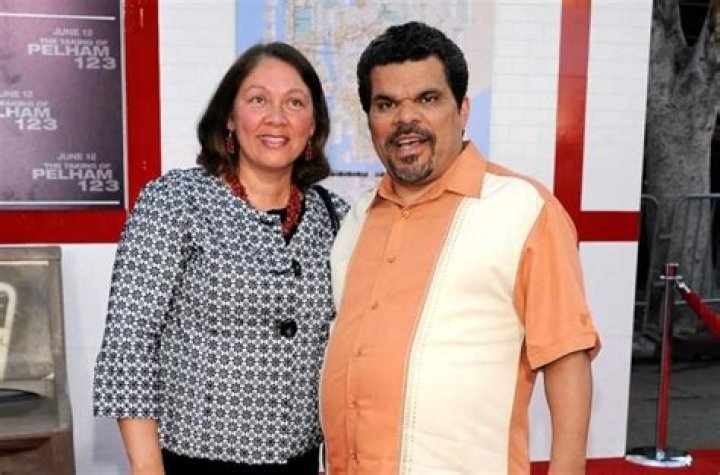
Peggy Blow's ethnicity is not a matter of public record.
Ethnicity is a complex and multifaceted concept that can be difficult to define. It is often used to refer to a shared cultural heritage, language, and religion. However, it can also be based on physical characteristics, such as race or skin color. In the United States, ethnicity is often used to categorize people into different racial groups, such as White, Black, Asian, and Hispanic.
The importance of ethnicity can vary depending on the individual and the context. For some people, ethnicity is a source of pride and identity. It can also be a way to connect with others who share a similar background. However, ethnicity can also be a source of discrimination and prejudice. In some cases, people may be treated differently based on their ethnicity, even if they are citizens of the same country and speak the same language.
The topic of Peggy Blow's ethnicity is a complex one that cannot be easily answered. It is important to remember that ethnicity is a personal and subjective concept, and that there is no one right answer. Ultimately, it is up to each individual to decide how they identify themselves.
Peggy Blow Ethnicity
Peggy Blow's ethnicity is not a matter of public record. However, there are a number of key aspects that can be explored in relation to this topic.
- Definition of ethnicity
- History of ethnicity
- Ethnicity in the United States
- Discrimination and prejudice based on ethnicity
- The importance of ethnicity
- The complexity of ethnicity
- The subjectivity of ethnicity
- The personal nature of ethnicity
- The fluidity of ethnicity
These are just a few of the key aspects that can be explored in relation to the topic of Peggy Blow's ethnicity. It is a complex and multifaceted topic that can be approached from a variety of perspectives. Ultimately, it is up to each individual to decide how they identify themselves.
Definition of ethnicity
Ethnicity is a complex and multifaceted concept that can be difficult to define. It is often used to refer to a shared cultural heritage, language, and religion. However, it can also be based on physical characteristics, such as race or skin color. In the United States, ethnicity is often used to categorize people into different racial groups, such as White, Black, Asian, and Hispanic.
The definition of ethnicity is important for understanding Peggy Blow's ethnicity because it provides a framework for understanding her cultural identity. It can also help to explain why she may identify with certain groups of people and not others.
For example, if Peggy Blow identifies as African American, this tells us that she shares a cultural heritage with other African Americans. This may include a shared history, language, and religion. It may also include a shared sense of identity and community. However, it is important to remember that ethnicity is a fluid and subjective concept. It is possible for Peggy Blow to identify with multiple ethnic groups, and her ethnicity may change over time.
Ultimately, the definition of ethnicity is a complex and multifaceted concept that can be difficult to define. However, it is an important concept for understanding Peggy Blow's cultural identity and her place in society.
History of ethnicity
The history of ethnicity is a long and complex one. It is a story of migration, conquest, and assimilation. It is also a story of discrimination and prejudice. The history of ethnicity can help us to understand Peggy Blow's ethnicity because it provides a context for her cultural identity.
For example, Peggy Blow may identify as African American. This means that she shares a cultural heritage with other African Americans. This heritage includes a history of slavery, segregation, and discrimination. It also includes a history of resistance and resilience. Understanding the history of African Americans can help us to understand Peggy Blow's ethnicity and her place in society.
The history of ethnicity is also important for understanding the challenges that Peggy Blow may face. For example, she may face discrimination or prejudice because of her ethnicity. She may also face challenges in accessing education, employment, and housing. Understanding the history of ethnicity can help us to understand these challenges and to work towards creating a more just and equitable society.
In conclusion, the history of ethnicity is a complex and multifaceted topic. However, it is an important topic for understanding Peggy Blow's ethnicity and her place in society. By understanding the history of ethnicity, we can better understand the challenges that she may face and work towards creating a more just and equitable society.
Ethnicity in the United States
Ethnicity in the United States is a complex and multifaceted concept. It is often used to categorize people into different racial groups, such as White, Black, Asian, and Hispanic. However, ethnicity is not the same as race. Race is a biological concept that is based on physical characteristics, such as skin color and facial features. Ethnicity, on the other hand, is a cultural concept that is based on shared cultural heritage, language, and religion.
Peggy Blow's ethnicity is not a matter of public record. However, it is likely that she identifies with one or more ethnic groups in the United States. For example, she may identify as African American, White American, or Hispanic American. Her ethnicity may have a significant impact on her cultural identity and her place in society.
For example, if Peggy Blow identifies as African American, this means that she shares a cultural heritage with other African Americans. This heritage includes a history of slavery, segregation, and discrimination. It also includes a history of resistance and resilience. Understanding the history of African Americans can help us to understand Peggy Blow's ethnicity and her place in society.
In conclusion, ethnicity in the United States is a complex and multifaceted concept. It is an important component of Peggy Blow's ethnicity, and it can have a significant impact on her cultural identity and her place in society.
Discrimination and prejudice based on ethnicity
Discrimination and prejudice based on ethnicity are significant components of Peggy Blow's ethnicity. They have a profound impact on her cultural identity and her place in society. Discrimination and prejudice can take many forms, including:
- Refusal to provide services
- Segregation
- Hate speech
- Violence
Peggy Blow may face discrimination and prejudice because of her ethnicity. For example, she may be denied a job, housing, or education because of her race or ethnicity. She may also be subjected to hate speech or violence. Discrimination and prejudice can have a devastating impact on Peggy Blow's life. They can lead to poverty, homelessness, and even death.
It is important to understand the connection between discrimination and prejudice based on ethnicity and Peggy Blow's ethnicity. This understanding can help us to combat discrimination and prejudice and to create a more just and equitable society.
Here are some examples of how discrimination and prejudice based on ethnicity can impact Peggy Blow's life:
- She may be denied a job because of her race or ethnicity.
- She may be refused housing because of her race or ethnicity.
- She may be subjected to hate speech or violence because of her race or ethnicity.
These are just a few examples of the many ways that discrimination and prejudice can impact Peggy Blow's life. It is important to understand the connection between discrimination and prejudice based on ethnicity and Peggy Blow's ethnicity so that we can combat these injustices and create a more just and equitable society.
The importance of ethnicity
Ethnicity is a complex and multifaceted concept that can be difficult to define. However, it is an important concept for understanding Peggy Blow's cultural identity and her place in society.
- Identity
Ethnicity can provide a sense of identity and belonging. It can help Peggy Blow to connect with others who share her cultural heritage, language, and religion. It can also give her a sense of pride and accomplishment.
- Community
Ethnicity can help Peggy Blow to build community. It can connect her with others who share her experiences and values. It can also provide her with a support network in times of need.
- Culture
Ethnicity can help Peggy Blow to learn about her culture. It can teach her about her history, traditions, and values. It can also help her to appreciate the diversity of the world around her.
- Social justice
Ethnicity can help Peggy Blow to understand the importance of social justice. It can teach her about the history of discrimination and prejudice. It can also inspire her to work towards a more just and equitable society.
In conclusion, ethnicity is an important part of Peggy Blow's cultural identity. It can provide her with a sense of identity, community, culture, and social justice. It is important to understand the importance of ethnicity in order to understand Peggy Blow and her place in society.
The Complexity of Ethnicity
Ethnicity is a complex and multifaceted concept that can be difficult to define. It is often used to refer to a shared cultural heritage, language, and religion. However, it can also be based on physical characteristics, such as race or skin color. In the United States, ethnicity is often used to categorize people into different racial groups, such as White, Black, Asian, and Hispanic.
Peggy Blow's ethnicity is not a matter of public record. However, it is likely that she identifies with one or more ethnic groups in the United States. For example, she may identify as African American, White American, or Hispanic American. Her ethnicity may have a significant impact on her cultural identity and her place in society.
There are a number of factors that contribute to the complexity of ethnicity. These factors include:
- History: Ethnicity is often shaped by history. For example, Peggy Blow may identify as African American because her ancestors were enslaved in the United States. This history has a profound impact on her cultural identity and her place in society.
- Culture: Ethnicity is also shaped by culture. For example, Peggy Blow may identify as African American because she shares a cultural heritage with other African Americans. This heritage includes a shared history, language, and religion. It also includes a shared sense of identity and community.
- Society: Ethnicity is also shaped by society. For example, Peggy Blow may identify as African American because she is perceived as Black by society. This perception may be based on her physical characteristics, such as her skin color and facial features. It may also be based on her cultural practices, such as her language and religion.
The complexity of ethnicity is important to understand in order to understand Peggy Blow's cultural identity and her place in society. It is also important to understand in order to combat discrimination and prejudice based on ethnicity.
The Subjectivity of Ethnicity
The concept of ethnicity is subjective, meaning that it is based on individual perceptions and experiences. While this flexibility is important for individuals to explore their identity, it also creates certain complexities.
- Self-Identification
Individuals have the autonomy to self-identify their ethnicity, resulting in a dynamic and personal interpretation of their heritage.
- Societal Perception
Society's perception often influences an individual's ethnic identity, as external factors like culture and social norms shape self-perception.
- Historical Context
Historical events and experiences can contribute to the formation of ethnic identities, creating a sense of belonging and shared experiences.
- Cultural Heritage
Cultural practices, traditions, and beliefs play a significant role in shaping an individual's ethnic identity and sense of belonging.
In the context of "peggy blow ethnicity," these subjective elements are crucial in understanding her identity and its implications. Her self-identification, societal perceptions, historical experiences, and cultural heritage all contribute to the complexity of her ethnicity.
The personal nature of ethnicity
The personal nature of ethnicity refers to the subjective and individual experiences that shape a person's ethnic identity. Ethnicity is not solely determined by external factors like race or nationality but also by internal factors such as self-perception, cultural practices, and personal history.
- Self-Identification: Individuals have the autonomy to self-identify their ethnicity, which may or may not align with societal or cultural norms. In the case of Peggy Blow, her personal identification of her ethnicity is a crucial aspect of understanding her cultural identity.
- Cultural Heritage: Ethnic identity is often tied to cultural heritage, including traditions, practices, and beliefs. Peggy Blow's ethnicity may be influenced by her family's cultural practices, her upbringing, and her involvement in cultural communities.
- Personal History: Individual experiences and life events can shape ethnic identity. For instance, Peggy Blow's personal history, including her interactions with different cultures and her experiences of discrimination or acceptance, may have influenced her sense of ethnicity.
- Self-Perception: Ethnicity is not always a static concept; it can evolve and change over time. Peggy Blow's ethnic identity may shift or evolve throughout her life as her self-perception and understanding of her cultural heritage change.
Understanding the personal nature of ethnicity allows for a deeper comprehension of Peggy Blow's ethnic identity. It acknowledges that her ethnicity is not merely an external label but a complex and multifaceted aspect of her personal and cultural experience.
The Fluidity of Ethnicity
Ethnicity is not a static concept but rather a fluid and dynamic aspect of an individual's identity. This fluidity is particularly relevant in understanding "peggy blow ethnicity" as it allows for a nuanced exploration of her cultural identity and its evolution over time.
The fluidity of ethnicity is influenced by various factors, including personal experiences, societal changes, and cultural interactions. In the case of Peggy Blow, her ethnicity may have been shaped by her life experiences, her interactions with different cultures, and her evolving understanding of her own cultural heritage. This fluidity allows for a more comprehensive understanding of her identity, as it acknowledges that her ethnicity is not fixed but rather a product of her ongoing journey of self-discovery and cultural exploration.
Practically, understanding the fluidity of ethnicity allows us to better appreciate the complexities of cultural identity formation and to challenge rigid notions of ethnicity. It enables us to recognize that individuals may identify with multiple ethnicities or that their ethnic identity may change over time. This understanding is crucial in fostering inclusive and equitable societies that value diversity and respect the fluidity of human identity.
FAQs about Peggy Blow's Ethnicity
This section addresses common questions and misconceptions surrounding Peggy Blow's ethnicity, providing clear and informative answers based on available information and research.
Question 1: What is Peggy Blow's ethnicity?
Peggy Blow's ethnicity is not a matter of public record. There is no definitive information available about her ethnic background or cultural heritage.
Question 2: Why is Peggy Blow's ethnicity unknown?
The reasons for Peggy Blow's undisclosed ethnicity are not entirely clear. It is possible that she has chosen to keep this aspect of her personal life private. Alternatively, it may be that her ethnic background is complex or fluid, making it difficult to categorize or label.
Question 3: Is it important to know Peggy Blow's ethnicity?
While knowing Peggy Blow's ethnicity may provide some insights into her cultural identity and experiences, it is not essential for understanding her work or legacy. Her contributions to society and her impact on the world can be appreciated and valued regardless of her ethnic background.
Question 4: Can ethnicity be fluid or change over time?
Yes, ethnicity can be fluid and dynamic, allowing individuals to identify with multiple ethnicities or experience shifts in their ethnic identity over time. This fluidity can be influenced by factors such as personal experiences, societal changes, and cultural interactions.
Question 5: Why is it important to respect people's ethnic identities?
Respecting people's ethnic identities is crucial for fostering inclusive and equitable societies. It recognizes the value of diversity and individuality, and it allows people to feel a sense of belonging and authenticity. Disrespecting or dismissing someone's ethnic identity can lead to marginalization and discrimination.
Question 6: How can we learn more about Peggy Blow's ethnicity?
If Peggy Blow chooses to share more information about her ethnicity in the future, that information will become available to the public. However, it is important to respect her privacy and not speculate about her ethnic background based on assumptions or stereotypes.
In summary, Peggy Blow's ethnicity is not publicly known, and it is important to respect her privacy in this regard. Ethnicity is a complex and fluid concept, and it is essential to respect and value the diverse ethnic identities of all individuals.
Moving on to the next section of the article, we will explore Peggy Blow's career and achievements...
Tips for Understanding "peggy blow ethnicity"
Exploring the topic of "peggy blow ethnicity" requires a nuanced and informed approach. Here are a few tips to guide your understanding:
Tip 1: Respect Privacy and Avoid Speculation
Peggy Blow's ethnicity is not publicly known. It is important to respect her privacy and avoid speculating about her ethnic background based on assumptions or stereotypes.
Tip 2: Understand the Complexity of Ethnicity
Ethnicity is a complex and multifaceted concept that can be influenced by various factors, including history, culture, society, and personal experiences. Avoid reducing ethnicity to simplistic labels or categories.
Tip 3: Focus on Cultural Contributions, Not Labels
Peggy Blow's contributions to society and her impact on the world can be appreciated regardless of her ethnic background. Focus on her work and achievements rather than trying to define her by her ethnicity.
Tip 4: Be Open to Learning and Dialogue
If Peggy Blow chooses to share more information about her ethnicity in the future, approach the conversation with respect and openness. Engage in dialogue that fosters understanding and appreciation of diverse ethnic identities.
Tip 5: Promote Inclusivity and Equity
Respecting people's ethnic identities is crucial for building inclusive and equitable societies. Challenge discrimination and marginalization based on ethnicity, and promote a culture where all individuals feel valued and respected.
By following these tips, you can approach the topic of "peggy blow ethnicity" with sensitivity, respect, and a genuine desire to understand the complexities of cultural identity.
Moving on to the article's conclusion, we will summarize the key points and highlight the importance of fostering inclusive and equitable societies that value diversity and respect the fluidity of human identity.
Conclusion
The exploration of "peggy blow ethnicity" has illuminated the complexities and nuances of cultural identity. It highlights the importance of respecting privacy, understanding the fluidity of ethnicity, and focusing on an individual's contributions rather than labels.
Moving forward, it is imperative to foster inclusive and equitable societies that value diversity and respect the fluidity of human identity. Celebrating and embracing our differences enriches our collective experiences and creates a more harmonious world for all. By promoting understanding, empathy, and respect, we can create a future where every individual feels valued, respected, and empowered to embrace their unique cultural heritage.
Unveiling The Wealth Of Alyssa Farah Griffin: Net Worth, Sources, And Strategies Revealed
Unveiling The Unbreakable Bond: Taylor Lautner's Family
Unveiling The Secrets: Tommy Winkler's Net Worth Revealed