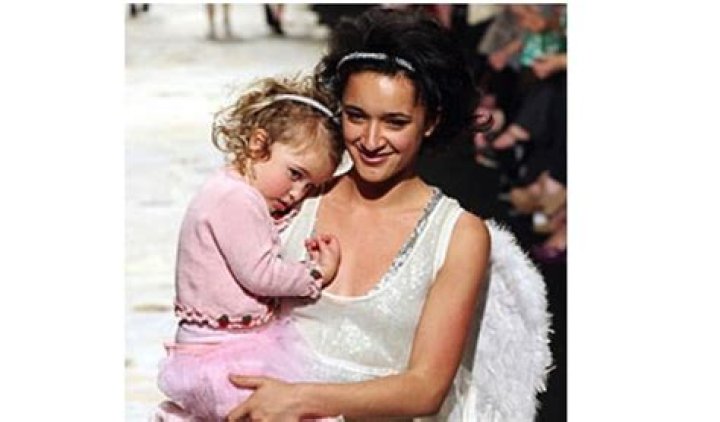
Azadeh Moshiri (born 1974) is an Iranian-born, Canadian, whose work explores themes of identity, culture, and displacement.
Moshiri's work has been exhibited internationally and is held in the collections of major museums such as the Museum of Modern Art in New York City and the Tate Modern in London. She is known for her large-scale installations, which often incorporate traditional Persian crafts and materials. Moshiri's work has been praised for its beauty and its ability to bridge cultures and traditions.
Moshiri was born in Tehran, Iran, and immigrated to Canada with her family when she was a child. She studied art at the Ontario College of Art and Design and the University of Guelph. Moshiri's work has been influenced by her experiences as an Iranian-born Canadian, and she often explores themes of identity and displacement in her work.
Azadeh Moshiri
Azadeh Moshiri (born 1974) is an Iranian-born, Canadian artist whose work explores themes of identity, culture, and displacement. Her work has been exhibited internationally and is held in the collections of major museums such as the Museum of Modern Art in New York City and the Tate Modern in London.
- Born: 1974, Tehran, Iran
- Nationality: Iranian-Canadian
- Medium: Installation, sculpture, photography
- Themes: Identity, culture, displacement
- Style: Contemporary, conceptual
- Influences: Persian culture, feminist theory
- Recognition: Guggenheim Fellowship, Canada Council for the Arts Grant
- Collections: Museum of Modern Art (New York City), Tate Modern (London), National Gallery of Canada (Ottawa)
Moshiri's work is often characterized by its use of traditional Persian crafts and materials, such as carpets, textiles, and calligraphy. She also frequently incorporates found objects and personal artifacts into her installations. Moshiri's work has been praised for its beauty and its ability to bridge cultures and traditions.
One of Moshiri's most well-known works is her installation "The Black Album" (2004). The installation consists of a series of black-and-white photographs of Iranian women wearing chadors. The women's faces are obscured by the chadors, but their bodies are visible. The installation is a powerful exploration of the complex and often contradictory nature of women's lives in Iran.
Moshiri's work has been exhibited in solo and group exhibitions around the world. She has also been the recipient of numerous awards and grants, including a Guggenheim Fellowship and a Canada Council for the Arts Grant.Born
Azadeh Moshiri was born in Tehran, Iran in 1974. This fact is significant because it provides context for her work and her identity as an artist. Moshiri's experiences as an Iranian-born Canadian woman have had a profound impact on her work, which often explores themes of identity, culture, and displacement.
Moshiri's birthplace has also influenced her artistic style and choice of materials. She frequently incorporates traditional Persian crafts and materials into her work, such as carpets, textiles, and calligraphy. This reflects her deep connection to her Iranian heritage and her desire to bridge cultures and traditions.
Moshiri's work has been exhibited internationally and is held in the collections of major museums such as the Museum of Modern Art in New York City and the Tate Modern in London. She has also been the recipient of numerous awards and grants, including a Guggenheim Fellowship and a Canada Council for the Arts Grant.
Nationality
Azadeh Moshiri's Iranian-Canadian nationality is a significant aspect of her identity and her work as an artist. It informs her unique perspective and experiences, which are reflected in her art.
- Cultural Heritage: Moshiri's Iranian heritage is evident in her use of traditional Persian crafts and materials, such as carpets, textiles, and calligraphy. She also frequently incorporates Farsi text and imagery into her work, exploring themes of identity, culture, and displacement.
- Cross-Cultural Dialogue: Moshiri's Canadian upbringing has also influenced her work. She often creates art that bridges cultures and traditions, challenging stereotypes and promoting cross-cultural understanding.
- Global Perspective: Moshiri's Iranian-Canadian nationality has given her a global perspective, which is reflected in her work's exploration of universal themes such as identity, belonging, and the human condition.
Moshiri's Iranian-Canadian nationality is a source of both inspiration and challenge for her as an artist. It allows her to draw on the rich traditions of both cultures and to create art that speaks to a global audience.
Medium
Azadeh Moshiri's choice of medium - installation, sculpture, and photography - is integral to her artistic practice and exploration of themes related to "azadeh moshiri born".
- Installations: Moshiri's installations often incorporate traditional Persian crafts and materials, such as carpets, textiles, and calligraphy. These immersive and interactive works invite viewers to engage with her cultural heritage and explore themes of identity, displacement, and belonging.
- Sculptures: Moshiri's sculptures often explore the female form and the objectification of women. Through the use of found objects and personal artifacts, she challenges societal norms and stereotypes, shedding light on the complex experiences of women in both Iranian and Western cultures.
- Photography: Moshiri's photographs often capture intimate and personal moments, revealing the hidden narratives and emotions of her subjects. Through portraiture and documentary-style photography, she explores themes of identity, representation, and the human condition.
Moshiri's use of diverse media allows her to convey complex and multifaceted narratives, creating a rich and immersive experience for viewers. Her work challenges traditional notions of art and representation, pushing the boundaries of contemporary art and sparking important conversations about identity, culture, and displacement.
Themes
The themes of identity, culture, and displacement are central to Azadeh Moshiri's work as an artist. These themes are deeply connected to her own experiences as an Iranian-born Canadian woman, and they are explored in her work through a variety of media, including installation, sculpture, and photography.
Moshiri's work often explores the complex and often contradictory nature of identity. She challenges traditional notions of identity and belonging, and she invites viewers to question their own assumptions about culture and difference. For example, in her installation "The Black Album" (2004), Moshiri presents a series of black-and-white photographs of Iranian women wearing chadors. The women's faces are obscured by the chadors, but their bodies are visible. The installation is a powerful exploration of the complex and often contradictory nature of women's lives in Iran.
Moshiri's work also explores the theme of displacement. She often uses her art to give voice to the experiences of those who have been displaced from their homes and communities. For example, in her installation "The Suitcase Project" (2009), Moshiri collected suitcases from Iranian immigrants in Canada. The suitcases were then filled with personal belongings and displayed in a gallery setting. The installation is a moving tribute to the experiences of those who have been forced to leave their homes and to rebuild their lives in a new country.
Moshiri's work is a powerful exploration of the themes of identity, culture, and displacement. Her work challenges traditional notions of identity and belonging, and she invites viewers to question their own assumptions about culture and difference. Moshiri's work is also a moving tribute to the experiences of those who have been displaced from their homes and communities.
Style
Azadeh Moshiri's artistic style can be characterized as contemporary and conceptual. This means that her work is rooted in the present moment and often explores ideas and concepts rather than depicting realistic scenes or objects. Moshiri's work is often characterized by its use of traditional Persian crafts and materials, such as carpets, textiles, and calligraphy. However, she also incorporates found objects and personal artifacts into her installations, creating a unique and personal style.
Moshiri's contemporary and conceptual style is evident in her work "The Black Album" (2004). This installation consists of a series of black-and-white photographs of Iranian women wearing chadors. The women's faces are obscured by the chadors, but their bodies are visible. The installation is a powerful exploration of the complex and often contradictory nature of women's lives in Iran.
Moshiri's work is also conceptual in the sense that it often explores ideas and concepts rather than depicting realistic scenes or objects. For example, her installation "The Suitcase Project" (2009) consists of a collection of suitcases from Iranian immigrants in Canada. The suitcases are filled with personal belongings and displayed in a gallery setting. The installation is a moving tribute to the experiences of those who have been forced to leave their homes and to rebuild their lives in a new country.
Moshiri's contemporary and conceptual style is a reflection of her own experiences as an Iranian-born Canadian woman. Her work challenges traditional notions of identity and belonging, and she invites viewers to question their own assumptions about culture and difference.
Influences
Azadeh Moshiri's work is influenced by a variety of sources, including Persian culture and feminist theory. These influences are evident in her choice of materials, her artistic style, and the themes she explores in her work.
- Persian culture: Moshiri's Persian heritage is evident in her use of traditional Persian crafts and materials, such as carpets, textiles, and calligraphy. She also frequently incorporates Farsi text and imagery into her work, exploring themes of identity, culture, and displacement.
- Feminist theory: Moshiri's work is also influenced by feminist theory, which explores the social, political, and economic inequalities faced by women. Moshiri's work often challenges traditional gender roles and stereotypes, and she gives voice to the experiences of women who have been marginalized or silenced.
Moshiri's work is a unique and personal blend of Persian culture and feminist theory. Her work challenges traditional notions of identity and belonging, and she invites viewers to question their own assumptions about culture and difference.
Recognition
Azadeh Moshiri's recognition through prestigious awards and grants, such as the Guggenheim Fellowship and Canada Council for the Arts Grant, holds significance in relation to her artistic journey and the broader context of "azadeh moshiri born". These accolades serve as testaments to her exceptional talent, dedication to her craft, and contributions to the art world.
- Artistic Validation: Receiving these grants and fellowships validates Moshiri's artistic vision and practice, recognizing her as a skilled and innovative artist. It provides external validation of her work's quality and originality, contributing to her credibility within the art community.
- Financial Support: The financial assistance provided by these grants enables Moshiri to pursue her artistic endeavors without the constraints of financial limitations. It allows her to invest in materials, experiment with new techniques, and dedicate time to her, fostering her artistic growth and development.
- Career Advancement: The recognition associated with these awards and grants serves as a catalyst for Moshiri's career advancement. It increases her visibility within the art world, attracting attention from galleries, curators, and collectors, leading to opportunities for exhibitions, commissions, and collaborations.
- Inspiration and Motivation: The recognition Moshiri has received serves as a source of inspiration and motivation for her continued artistic journey. It encourages her to push boundaries, take creative risks, and strive for excellence in her work, knowing that her efforts are valued and appreciated.
In summary, the recognition bestowed upon Azadeh Moshiri through the Guggenheim Fellowship and Canada Council for the Arts Grant not only acknowledges her artistic achievements but also supports her continued growth and contributions to the art world. These accolades are a testament to her talent, dedication, and the transformative power of art in shaping cultural landscapes.
Collections
The inclusion of Azadeh Moshiri's work in the collections of prestigious institutions such as the Museum of Modern Art (New York City), Tate Modern (London), and the National Gallery of Canada (Ottawa) holds significant implications for her artistic trajectory and the broader context of her work.
- Institutional Validation: Moshiri's presence in these renowned collections signifies the institutional validation of her artistic practice. It recognizes the quality, originality, and cultural relevance of her work, elevating her status within the art world.
- Historical Significance: The acquisition of Moshiri's work by these institutions ensures its preservation for future generations. It contributes to the historical record of contemporary art, documenting the diverse voices and perspectives that shape our cultural landscape.
- Public Accessibility: Displaying Moshiri's work in public galleries allows a wider audience to engage with her art. It fosters public appreciation for contemporary art and promotes cross-cultural dialogue.
- Artistic Legacy: Moshiri's inclusion in these collections solidifies her legacy as an influential artist. It ensures that her work will continue to inspire and challenge viewers for years to come.
In conclusion, the presence of Azadeh Moshiri's work in the collections of the Museum of Modern Art (New York City), Tate Modern (London), and the National Gallery of Canada (Ottawa) serves as a testament to her artistic achievements and contributions to contemporary art. It highlights the value placed on her unique perspective, innovative techniques, and ability to provoke thought and dialogue.
Frequently Asked Questions about Azadeh Moshiri
This section provides answers to commonly asked questions about Azadeh Moshiri, her work, and her significance in the art world.
Question 1: What is Azadeh Moshiri's background and artistic style?
Azadeh Moshiri is an Iranian-born, Canadian artist known for her contemporary and conceptual artwork. Her work explores themes of identity, culture, and displacement, often incorporating traditional Persian crafts and materials.
Question 2: What are the key themes explored in Moshiri's work?
Moshiri's work often delves into the and multifaceted nature of identity, the experiences of displacement and immigration, and the interplay between personal and cultural narratives.
Question 3: What materials and techniques does Moshiri use in her artwork?
Moshiri's work is characterized by her innovative use of a wide range of materials, including traditional Persian carpets, textiles, and calligraphy, as well as found objects and personal artifacts.
Question 4: Where can I find Azadeh Moshiri's work?
Moshiri's work has been exhibited internationally and is held in the collections of prestigious institutions such as the Museum of Modern Art (New York City), Tate Modern (London), and the National Gallery of Canada (Ottawa).
Question 5: What is the significance of Azadeh Moshiri's work?
Moshiri's work challenges conventional notions of identity and belonging, and encourages viewers to critically examine their own assumptions and biases.
Question 6: How can I learn more about Azadeh Moshiri and her work?
There are numerous resources available online and in libraries that provide further information about Azadeh Moshiri and her artistic practice. Additionally, visiting exhibitions of her work and engaging with critical analysis can deepen one's understanding of her contributions to contemporary art.
In conclusion, Azadeh Moshiri's unique perspective, innovative techniques, and thought-provoking themes have established her as an influential figure in the art world. Her work continues to inspire and challenge viewers, prompting critical reflection on issues of identity, culture, and the human experience.
Transition to the next article section:
For further exploration of Azadeh Moshiri's work and its impact on contemporary art, refer to the following resources:
Tips for Appreciating Azadeh Moshiri's Work
To fully appreciate the depth and significance of Azadeh Moshiri's artistic practice, consider the following tips:
Tip 1: Contextualize Her Work
Understanding the cultural, historical, and personal contexts that inform Moshiri's work enhances its interpretation. Research Iranian culture, the experiences of immigrants and displaced individuals, and feminist theory to gain a deeper comprehension of her artistic perspective.
Tip 2: Pay Attention to Materiality
Moshiri's innovative use of traditional Persian materials, such as carpets and textiles, is central to her artistic expression. Examine the textures, patterns, and symbolism embedded in these materials to uncover the layers of meaning they convey.
Tip 3: Engage with the Personal
Moshiri often incorporates personal artifacts and narratives into her work. By connecting with the intimate and autobiographical elements, viewers gain a deeper understanding of the artist's own experiences and emotions.
Tip 4: Question Assumptions
Moshiri's work challenges conventional notions of identity, belonging, and representation. Approach her art with an open mind, questioning your own assumptions and biases to engage in meaningful critical reflection.
Tip 5: Seek Multiple Perspectives
Engage with diverse interpretations of Moshiri's work through, critical essays, and online discussions. Exchanging ideas with others enriches your understanding and deepens your appreciation for the artist's multifaceted practice.
Summary of Key Takeaways:
By following these tips, you can gain a more profound appreciation for Azadeh Moshiri's unique artistic vision. Her work invites us to critically examine our own identities, challenge societal norms, and embrace the complexities of the human experience.
Transition to the Article's Conclusion:
As you delve deeper into Azadeh Moshiri's artistic world, you will discover a treasure trove of thought-provoking ideas, evocative imagery, and profound insights into the human condition. Embrace the opportunity to engage with her work and allow it to inspire your own reflections and conversations on identity, culture, and the ever-evolving nature of our world.
Conclusion
Azadeh Moshiri's artistic journey, shaped by her Iranian-Canadian identity, explores the multifaceted nature of identity, culture, and displacement. Through innovative use of traditional Persian materials and personal narratives, her work challenges conventional notions and invites viewers to critically examine their own assumptions.
By engaging with Moshiri's art, we embark on a journey of self-reflection and cross-cultural understanding. Her work prompts us to question our own biases, embrace diversity, and recognize the complexities of the human experience. As her influence continues to grow, Moshiri's artistic legacy will undoubtedly inspire future generations to explore the intersectionality of identity and culture with sensitivity and purpose.
Unveiling The Story Behind Salma Hayek's Daughter's Age
Uncover The Secrets Of Defensive Dominance With Rhett Hartzog
Unveiling Zach Rushing's Net Worth: A Journey Of Gridiron Success And Financial Savvy
Azadeh Moshiri exposes the flaws of diversity schemes The Post
How our obsession with ‘diversity’ obscures class spiked
Azadeh Moshiri Wiki