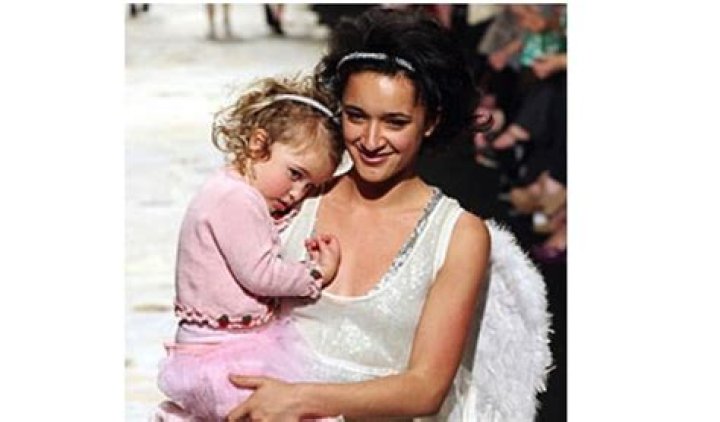
Sofia Wylie is an American actress and dancer. Wylie is best known for her roles as Buffy Driscoll in the Disney Channel series Andi Mack and as Gina Porter in the Disney+ series High School Musical: The Musical: The Series. In 2022 she appeared in the film The School for Good and Evil. Wylie is of Korean and Polish descent.
Wylie has spoken about her experiences as a multiracial person in the entertainment industry. She has said that she is proud of her heritage and that she hopes to use her platform to represent other multiracial people. Wylie is an inspiration to many young people, and her story is a reminder that it is possible to be successful no matter what your race or ethnicity.
Wylie's success is a testament to her talent, hard work, and dedication. She is a role model for young people of all races and ethnicities, and she is sure to continue to make a positive impact on the world.
sofia wylie race
Sofia Wylie's race is a complex and multifaceted issue. As a multiracial person, she has experienced both the benefits and challenges of living in a racially diverse society.
- Identity
- Representation
- Discrimination
- Intersectionality
- Colorism
- Microaggressions
- Cultural appropriation
- Privilege
- Allyship
These are just a few of the key aspects of Sofia Wylie's race. By understanding these aspects, we can better understand her experiences and the experiences of other multiracial people.
Identity
Identity is a complex and multifaceted concept. It is shaped by a variety of factors, including our race, ethnicity, gender, sexual orientation, religion, and social class. Our identity is also shaped by our experiences and interactions with others.
For multiracial people, identity can be particularly complex. They may feel like they don't belong to any one racial group. They may also experience discrimination from both white people and people of color.
Sofia Wylie is a multiracial actress and dancer. She has spoken about her experiences as a multiracial person in the entertainment industry. She has said that she is proud of her heritage and that she hopes to use her platform to represent other multiracial people.
Wylie's story is a reminder that identity is a complex and personal issue. There is no one right way to be multiracial. Multiracial people should be proud of their heritage and should not be afraid to express their identity.
Representation
Representation is important for all people, but it is especially important for multiracial people. When multiracial people see themselves represented in the media, it can help them to feel seen and validated. It can also help them to develop a positive sense of identity.
Sofia Wylie is a multiracial actress and dancer. She has spoken about the importance of representation in the entertainment industry. She has said that she is proud to be a role model for other multiracial people and that she hopes to use her platform to make a difference in the world.
Wylie's story is a reminder that representation matters. It can help multiracial people to feel seen, validated, and empowered. It can also help to break down stereotypes and create a more inclusive society.
Discrimination
Discrimination is the unfair or prejudicial treatment of people based on their race, ethnicity, gender, sexual orientation, religion, or other characteristics. Multiracial people often experience discrimination from both white people and people of color.
- Colorism
Colorism is a form of discrimination that favors people with lighter skin over people with darker skin. Multiracial people with darker skin may experience more discrimination than multiracial people with lighter skin.
- Microaggressions
Microaggressions are subtle forms of discrimination that can be intentional or unintentional. Multiracial people may experience microaggressions from both white people and people of color.
- Cultural appropriation
Cultural appropriation is the adoption or use of elements of one culture by members of another culture. This can be seen as a form of discrimination when it is done without respect or understanding of the original culture.
- Privilege
Privilege is a form of unearned advantage that is based on a person's race, ethnicity, gender, sexual orientation, religion, or other characteristics. Multiracial people may experience both privilege and discrimination, depending on their specific circumstances.
Discrimination against multiracial people is a serious problem. It can have a negative impact on their mental health, physical health, and economic well-being. It can also make it difficult for multiracial people to feel like they belong.
Intersectionality
Intersectionality is a framework for understanding how different forms of discrimination overlap and interact. It recognizes that people can experience multiple forms of discrimination based on their race, gender, sexual orientation, class, and other factors.
Sofia Wylie is a multiracial actress and dancer. She has spoken about her experiences as a multiracial person in the entertainment industry. She has said that she is proud of her heritage and that she hopes to use her platform to represent other multiracial people.
Wylie's story is an example of how intersectionality can be used to understand the experiences of multiracial people. Wylie experiences discrimination not only because she is multiracial, but also because she is a woman and because she is LGBTQ+. Her experiences are unique to her, and they cannot be fully understood without taking into account all of the different aspects of her identity.
Colorism
Colorism is a form of discrimination that favors people with lighter skin over people with darker skin. Colorism is a global problem that affects people of all races and ethnicities. Multiracial people are often subjected to colorism from both white people and people of color.
Sofia Wylie is a multiracial actress and dancer. She has spoken out about her experiences with colorism in the entertainment industry. Wylie has said that she has been told that she is "too dark" for certain roles. She has also been criticized for her skin color on social media.
Wylie's experiences are a reminder that colorism is a serious problem that affects multiracial people. Colorism can have a negative impact on mental health, physical health, and economic well-being. Colorism can also make it difficult for multiracial people to feel like they belong.
It is important to challenge colorism and to promote inclusivity. We need to create a society where everyone is valued, regardless of their skin color.
Microaggressions
Microaggressions are subtle forms of discrimination that can be intentional or unintentional. They can be verbal, behavioral, or environmental. Multiracial people often experience microaggressions from both white people and people of color.
Sofia Wylie is a multiracial actress and dancer. She has spoken out about her experiences with microaggressions in the entertainment industry. Wylie has said that she has been told that she is "too ethnic" for certain roles. She has also been criticized for her skin color and her hair texture.
Wylie's experiences are a reminder that microaggressions are a serious problem that affects multiracial people. Microaggressions can have a negative impact on mental health, physical health, and economic well-being. Microaggressions can also make it difficult for multiracial people to feel like they belong.
It is important to challenge microaggressions and to promote inclusivity. We need to create a society where everyone is valued, regardless of their race, ethnicity, or other characteristics.
Cultural appropriation
Cultural appropriation is the adoption or use of elements of one culture by members of another culture. This can be seen as a form of discrimination when it is done without respect or understanding of the original culture. Multiracial people are often subjected to cultural appropriation from both white people and people of color.
- Exploitation
Cultural appropriation can be seen as a form of exploitation when it is used to profit from another culture without giving back to that culture. For example, a white fashion designer who uses traditional African prints in their designs without giving credit to the African culture is engaging in cultural appropriation.
- Stereotyping
Cultural appropriation can also lead to stereotyping. For example, a white person who wears a Native American headdress may be seen as reinforcing stereotypes about Native Americans.
- Disrespect
Cultural appropriation can be seen as a form of disrespect when it is done without understanding or appreciation for the original culture. For example, a white person who wears a kimono to a Halloween party without knowing anything about Japanese culture is engaging in cultural appropriation.
- Silencing
Cultural appropriation can also lead to silencing. For example, when white people adopt elements of African American culture, it can make it more difficult for African Americans to be heard and respected.
Cultural appropriation is a serious problem that affects multiracial people. It can have a negative impact on mental health, physical health, and economic well-being. Cultural appropriation can also make it difficult for multiracial people to feel like they belong.
It is important to challenge cultural appropriation and to promote inclusivity. We need to create a society where everyone is valued, regardless of their race, ethnicity, or other characteristics.
Privilege
Privilege is a form of unearned advantage that is based on a person's race, ethnicity, gender, sexual orientation, religion, or other characteristics. Multiracial people may experience both privilege and discrimination, depending on their specific circumstances.
Sofia Wylie is a multiracial actress and dancer. She has spoken out about her experiences with privilege and discrimination in the entertainment industry. Wylie has said that she has benefited from her light skin and her Eurocentric features. However, she has also experienced discrimination because she is multiracial.
Wylie's experiences are a reminder that privilege is a complex issue. It is important to recognize that multiracial people can experience both privilege and discrimination. We need to create a society where everyone is valued, regardless of their race, ethnicity, or other characteristics.
Allyship
Allyship is the practice of standing up for and supporting people from marginalized groups. In the context of "sofia wylie race", allyship means supporting multiracial people and fighting against racism and discrimination.
- Education
Allies can educate themselves about the experiences of multiracial people and the challenges they face. This can be done through reading books, articles, and watching documentaries.
- Speaking out
Allies can speak out against racism and discrimination when they see it. This can be done in person, online, or through writing letters to elected officials.
- Supporting multiracial-led organizations
Allies can support multiracial-led organizations that are working to fight racism and discrimination. This can be done through donating money, volunteering time, or attending events.
- Amplifying multiracial voices
Allies can amplify the voices of multiracial people by sharing their stories and experiences. This can be done through social media, writing articles, or speaking at events.
Allyship is an important part of the fight against racism and discrimination. By standing up for multiracial people, allies can help to create a more just and equitable world.
FAQs about Sofia Wylie's Race
Sofia Wylie is a multiracial actress and dancer. She has spoken out about her experiences as a multiracial person in the entertainment industry. Wylie's story is a reminder that multiracial people can experience both privilege and discrimination. It is important to challenge racism and discrimination and to promote inclusivity.
Question 1: What is Sofia Wylie's race?
Sofia Wylie is multiracial. She is of Korean and Polish descent.
Question 2: What are some of the challenges that multiracial people face?
Multiracial people often experience discrimination from both white people and people of color. They may also experience colorism, microaggressions, and cultural appropriation.
Question 3: How can we challenge racism and discrimination?
We can challenge racism and discrimination by educating ourselves about the experiences of multiracial people, speaking out against racism and discrimination, supporting multiracial-led organizations, and amplifying multiracial voices.
Question 4: What is allyship?
Allyship is the practice of standing up for and supporting people from marginalized groups. In the context of "sofia wylie race", allyship means supporting multiracial people and fighting against racism and discrimination.
Question 5: How can I be an ally to multiracial people?
You can be an ally to multiracial people by educating yourself about the experiences of multiracial people, speaking out against racism and discrimination, supporting multiracial-led organizations, and amplifying multiracial voices.
Question 6: What are some resources that I can use to learn more about the experiences of multiracial people?
There are many resources available to learn more about the experiences of multiracial people. Some helpful resources include the National Association for the Advancement of Colored People (NAACP), the Anti-Defamation League (ADL), and the Southern Poverty Law Center (SPLC).
It is important to remember that multiracial people are a diverse group with a variety of experiences. It is important to listen to the voices of multiracial people and to learn from their experiences.
Tips for supporting multiracial people
Multiracial people face a unique set of challenges, including discrimination, colorism, and microaggressions. It is important to be aware of these challenges and to take steps to support multiracial people. Here are a few tips:
Tip 1: Educate yourself
Learn about the experiences of multiracial people by reading books, articles, and watching documentaries. This will help you to understand the challenges that they face and the ways that you can support them.
Tip 2: Speak out
Don't be afraid to speak out against racism and discrimination when you see it. This can be done in person, online, or through writing letters to elected officials.
Tip 3: Support multiracial-led organizations
There are many multiracial-led organizations that are working to fight racism and discrimination. You can support these organizations by donating money, volunteering time, or attending events.
Tip 4: Amplify multiracial voices
Share the stories and experiences of multiracial people on social media, in articles, or at events. This will help to amplify their voices and make their experiences more visible.
Tip 5: Be an ally
Be an ally to multiracial people by standing up for them and supporting them in their fight against racism and discrimination.
Tip 6: Be patient
It takes time to build trust and understanding between people from different racial backgrounds. Be patient and don't give up if you don't see results immediately.
Tip 7: Be respectful
Always be respectful of multiracial people and their experiences. Don't make assumptions about their race or ethnicity, and don't use stereotypes or slurs.
Tip 8: Be open to learning
Be open to learning about the experiences of multiracial people and the challenges that they face. This will help you to become a more informed and effective ally.
By following these tips, you can help to support multiracial people and fight against racism and discrimination.
Conclusion
Sofia Wylie is a multiracial actress and dancer. She has spoken out about her experiences as a multiracial person in the entertainment industry. Wylie's story is a reminder that multiracial people can experience both privilege and discrimination. It is important to challenge racism and discrimination and to promote inclusivity.
We can all play a role in creating a more just and equitable world for multiracial people. We can educate ourselves about the experiences of multiracial people, speak out against racism and discrimination, support multiracial-led organizations, and amplify multiracial voices.
Phil Mattingly: Uncovering The Man Behind The Mic
Unveiling Esther Ferris: Inspiring Insights For Mental Health And Creative Expression
Unveiling The Truth: Debunking The Twene Jonas Death Hoax
Sofia Wylie Age, Family, Girlfriend, Net Worth, Height, Nationality & More.
Picture of Sofia Wylie