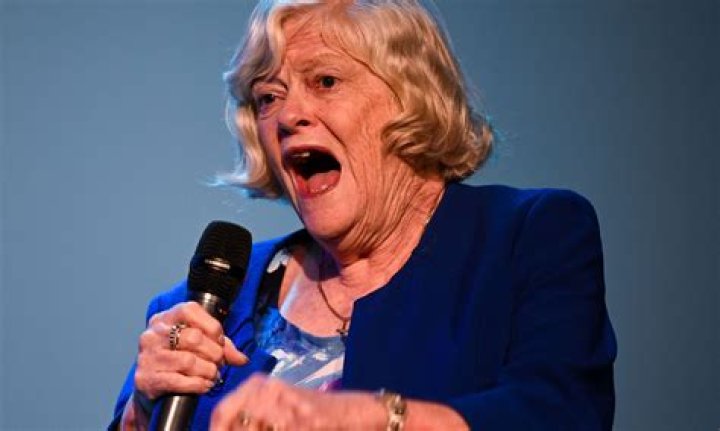
Dana Delaney gay is not a commonly known term. Dana Delaney is an American actress, known for her roles in China Beach, Tombstone, Exit to Eden, Desperate Housewives, and Body of Proof. There is no publicly available information or confirmation regarding her sexual orientation.
The term "gay" is an adjective that refers to a person who is romantically and sexually attracted to people of the same sex. It can also be used as a noun to refer to a homosexual person.
The importance of the term "gay" lies in its ability to provide visibility and representation to a marginalized group of people. It can also be used to challenge heteronormative assumptions and promote acceptance and understanding of diverse sexual orientations.
Dana Delaney Gay
The term "gay" is an adjective that refers to a person who is romantically and sexually attracted to people of the same sex. While there is no public confirmation of Dana Delaney's sexual orientation, the term "gay" can be used to explore various aspects related to her, including representation, visibility, and the importance of LGBTQ+ identities.
- Representation: The term "gay" provides visibility and representation to a marginalized group of people.
- Visibility: Dana Delaney's public persona, regardless of her sexual orientation, can contribute to the visibility of LGBTQ+ individuals.
- Identity: The term "gay" is an important part of LGBTQ+ identity and can be used to challenge heteronormative assumptions.
- Acceptance: The term "gay" can promote acceptance and understanding of diverse sexual orientations.
- Community: The term "gay" can foster a sense of community and belonging among LGBTQ+ individuals.
- Pride: The term "gay" can be a source of pride and self-affirmation for LGBTQ+ people.
- Discrimination: LGBTQ+ individuals, including those who identify as gay, may face discrimination and prejudice.
- Intersectionality: The term "gay" intersects with other aspects of identity, such as race, gender, and socioeconomic status.
- Allyship: Allies of the LGBTQ+ community can use the term "gay" to show their support and solidarity.
These aspects highlight the importance of the term "gay" in relation to Dana Delaney, even if her sexual orientation is not publicly confirmed. They underscore the need for visibility, representation, and acceptance of LGBTQ+ identities, while also acknowledging the challenges and discrimination that LGBTQ+ individuals may face.
Representation
The term "gay" provides visibility and representation to a marginalized group of people. This is important because it allows LGBTQ+ individuals to see themselves reflected in the media and in public figures, which can help to reduce feelings of isolation and shame. Representation can also help to challenge stereotypes and promote understanding and acceptance of LGBTQ+ people.
Dana Delaney is an American actress who has starred in a number of popular films and television shows. While she has never publicly confirmed her sexual orientation, her public persona can still contribute to the visibility of LGBTQ+ individuals. By simply being a successful and visible lesbian actress, she can help to break down stereotypes and show that LGBTQ+ people are just as diverse as any other group of people.
The representation of LGBTQ+ people in the media is still lacking, but it is slowly improving. As more LGBTQ+ people come out and live openly, it becomes more difficult to ignore their existence and their stories. The term "gay" is an important part of this process, as it provides a way to identify and celebrate LGBTQ+ identities.
Visibility
The visibility of LGBTQ+ people in the media is important for a number of reasons. It can help to reduce feelings of isolation and shame, challenge stereotypes, and promote understanding and acceptance.
Dana Delaney is an American actress who has starred in a number of popular films and television shows. While she has never publicly confirmed her sexual orientation, her public persona can still contribute to the visibility of LGBTQ+ individuals.
By simply being a successful and visible actress, Dana Delaney can help to break down stereotypes and show that LGBTQ+ people are just as diverse as any other group of people. She can also help to create a more inclusive and welcoming environment for LGBTQ+ people in the entertainment industry.
The visibility of LGBTQ+ people in the media is still lacking, but it is slowly improving. As more LGBTQ+ people come out and live openly, it becomes more difficult to ignore their existence and their stories. The term "gay" is an important part of this process, as it provides a way to identify and celebrate LGBTQ+ identities.
Dana Delaney's public persona, regardless of her sexual orientation, can contribute to the visibility of LGBTQ+ individuals because it helps to normalize LGBTQ+ identities and shows that LGBTQ+ people are just as diverse as any other group of people.
This is important because it can help to reduce feelings of isolation and shame, challenge stereotypes, and promote understanding and acceptance of LGBTQ+ people.
Identity
The term "gay" is an important part of LGBTQ+ identity. It is a way for people to identify themselves and to express their sexual orientation. The term "gay" can also be used to challenge heteronormative assumptions.
Heteronormativity is the assumption that heterosexuality is the only normal and natural sexual orientation. This assumption can lead to discrimination and prejudice against LGBTQ+ people. The term "gay" can be used to challenge this assumption by menunjukkan that there is nothing wrong with being gay.
Dana Delaney is an American actress who has starred in a number of popular films and television shows. While she has never publicly confirmed her sexual orientation, she has been rumored to be a lesbian. If Delaney is gay, then her public persona could help to challenge heteronormative assumptions.
By simply being a successful and visible actress, Delaney can help to show that LGBTQ+ people are just as diverse as any other group of people. She can also help to create a more inclusive and welcoming environment for LGBTQ+ people in the entertainment industry.
The term "gay" is an important part of LGBTQ+ identity and can be used to challenge heteronormative assumptions. Dana Delaney's public persona, regardless of her sexual orientation, can contribute to this cause by increasing the visibility of LGBTQ+ people and challenging heteronormative assumptions.
Acceptance
The term "gay" is an important part of LGBTQ+ identity and can be used to promote acceptance and understanding of diverse sexual orientations. When public figures like Dana Delaney are open about their sexual orientation, it can help to break down stereotypes and show that LGBTQ+ people are just as diverse as any other group of people. This can lead to greater acceptance and understanding of LGBTQ+ people in society.
For example, a study by the Pew Research Center found that Americans who know someone who is gay or lesbian are more likely to support same-sex marriage and other LGBTQ+ rights. This suggests that contact with LGBTQ+ people can help to reduce prejudice and discrimination.
Dana Delaney has never publicly confirmed her sexual orientation, but her public persona can still contribute to the acceptance and understanding of diverse sexual orientations. By simply being a successful and visible actress, she can help to create a more inclusive and welcoming environment for LGBTQ+ people in the entertainment industry.
The term "gay" is an important part of LGBTQ+ identity and can be used to promote acceptance and understanding of diverse sexual orientations. Dana Delaney's public persona, regardless of her sexual orientation, can contribute to this cause by increasing the visibility of LGBTQ+ people and challenging heteronormative assumptions.
Community
The term "gay" can foster a sense of community and belonging among LGBTQ+ individuals. This is because it provides a way for LGBTQ+ people to connect with others who share their experiences and identities. LGBTQ+ communities can provide support, friendship, and a sense of belonging for LGBTQ+ people who may feel isolated or marginalized in other parts of their lives.
Dana Delaney's public persona, regardless of her sexual orientation, can contribute to the sense of community and belonging among LGBTQ+ individuals. By simply being a successful and visible actress, she can help to create a more inclusive and welcoming environment for LGBTQ+ people in the entertainment industry. This can make it easier for LGBTQ+ people to feel comfortable and accepted in their own communities.
The term "gay" is an important part of LGBTQ+ identity and can be used to promote acceptance and understanding of diverse sexual orientations. Dana Delaney's public persona, regardless of her sexual orientation, can contribute to this cause by increasing the visibility of LGBTQ+ people and challenging heteronormative assumptions.
Pride
The term "gay" is a source of pride and self-affirmation for many LGBTQ+ people. It is a way for them to embrace their identity and to celebrate their sexual orientation. The term "gay" can also be a source of empowerment, as it can help LGBTQ+ people to feel more confident and proud of who they are.
Dana Delaney is an American actress who has starred in a number of popular films and television shows. While she has never publicly confirmed her sexual orientation, she has been rumored to be a lesbian. If Delaney is gay, then her public persona could be a source of pride and self-affirmation for LGBTQ+ people.
By simply being a successful and visible actress, Delaney can help to show that LGBTQ+ people are just as diverse as any other group of people. She can also help to create a more inclusive and welcoming environment for LGBTQ+ people in the entertainment industry.
The term "gay" is an important part of LGBTQ+ identity and can be used to promote acceptance and understanding of diverse sexual orientations. Dana Delaney's public persona, regardless of her sexual orientation, can contribute to this cause by increasing the visibility of LGBTQ+ people and challenging heteronormative assumptions.
The connection between "Pride: The term "gay" can be a source of pride and self-affirmation for LGBTQ+ people." and "dana delany gay" is that Delaney's public persona, regardless of her sexual orientation, can help to promote pride and self-affirmation among LGBTQ+ people. By simply being a successful and visible actress, she can help to create a more inclusive and welcoming environment for LGBTQ+ people in the entertainment industry. This can make it easier for LGBTQ+ people to feel comfortable and proud of who they are.
Discrimination
LGBTQ+ individuals, including those who identify as gay, may face discrimination and prejudice in various aspects of their lives. This can include discrimination in employment, housing, education, and healthcare. LGBTQ+ individuals may also experience violence and harassment simply because of their sexual orientation or gender identity.
The connection between "Discrimination: LGBTQ+ individuals, including those who identify as gay, may face discrimination and prejudice." and "dana delany gay" is that Dana Delaney, regardless of her sexual orientation, can use her public persona to help combat discrimination against LGBTQ+ people.
For example, Delaney could speak out against discrimination against LGBTQ+ people, support LGBTQ+ rights organizations, or use her platform to raise awareness of the challenges faced by LGBTQ+ people.
By using her public persona to help combat discrimination against LGBTQ+ people, Dana Delaney can make a real difference in the lives of LGBTQ+ people. She can help to create a more inclusive and welcoming world for LGBTQ+ people, and she can help to make it easier for LGBTQ+ people to live their lives openly and authentically.
The connection between "Discrimination: LGBTQ+ individuals, including those who identify as gay, may face discrimination and prejudice." and "dana delany gay" is an important one. It shows that even if someone is not personally affected by discrimination, they can still use their voice and platform to help make a difference.
Intersectionality
Intersectionality is a framework for understanding how different forms of discrimination and oppression overlap and interact. It recognizes that people can experience discrimination and oppression based on multiple aspects of their identity, such as their race, gender, sexual orientation, and socioeconomic status.
- Race: LGBTQ+ people of color experience discrimination and oppression that is unique to their experiences. For example, they may face racism from within the LGBTQ+ community and homophobia from within their own racial or ethnic community.
- Gender: LGBTQ+ people who are transgender or non-binary experience discrimination and oppression that is unique to their experiences. For example, they may face discrimination in employment, housing, and healthcare.
- Socioeconomic status: LGBTQ+ people who are low-income or working-class experience discrimination and oppression that is unique to their experiences. For example, they may face discrimination in employment, housing, and healthcare.
The connection between "Intersectionality: The term "gay" intersects with other aspects of identity, such as race, gender, and socioeconomic status." and "dana delany gay" is that Dana Delaney, regardless of her sexual orientation, can use her public persona to help combat discrimination against LGBTQ+ people of all backgrounds.
For example, Delaney could speak out against racism within the LGBTQ+ community, support LGBTQ+ rights organizations that focus on the needs of LGBTQ+ people of color, or use her platform to raise awareness of the challenges faced by LGBTQ+ people who are transgender or non-binary.
By using her public persona to help combat discrimination against LGBTQ+ people of all backgrounds, Dana Delaney can make a real difference in the lives of LGBTQ+ people. She can help to create a more inclusive and welcoming world for LGBTQ+ people, and she can help to make it easier for LGBTQ+ people to live their lives openly and authentically.
Allyship
Allyship is an important part of the LGBTQ+ movement. Allies are people who do not identify as LGBTQ+ but who support the LGBTQ+ community and work to create a more inclusive and equitable world for LGBTQ+ people.
- Visibility: Allies can use the term "gay" to show their support and solidarity with the LGBTQ+ community. This can help to increase the visibility of LGBTQ+ people and their experiences.
- Education: Allies can use the term "gay" to educate others about LGBTQ+ issues. This can help to dispel myths and stereotypes about LGBTQ+ people and create a more understanding and supportive environment.
- Advocacy: Allies can use the term "gay" to advocate for the rights of LGBTQ+ people. This can include speaking out against discrimination and prejudice, supporting LGBTQ+ legislation, and working to create more inclusive policies and practices.
Dana Delaney is an American actress who has starred in a number of popular films and television shows. While she has never publicly confirmed her sexual orientation, she has been rumored to be a lesbian. If Delaney is gay, then her public persona could be a valuable asset to the LGBTQ+ community.
As an ally, Delaney could use her platform to increase the visibility of LGBTQ+ people, educate others about LGBTQ+ issues, and advocate for the rights of LGBTQ+ people. This would send a powerful message of support and solidarity to the LGBTQ+ community and help to make the world a more inclusive and equitable place for LGBTQ+ people.
FAQs about "Dana Delaney Gay"
This section addresses frequently asked questions and misconceptions regarding the topic of "Dana Delaney Gay".
Question 1: Is Dana Delaney gay?
Dana Delaney has never publicly confirmed her sexual orientation. However, there have been rumors and speculation that she is a lesbian. Delaney has never addressed these rumors directly, and there is no definitive answer to this question.
Question 2: What is the significance of the term "gay"?
The term "gay" is an adjective used to describe people who are romantically and sexually attracted to people of the same sex. It can also be used as a noun to refer to a homosexual person.
Question 3: Why is it important to use the term "gay" correctly?
Using the term "gay" correctly is important for a number of reasons. First, it shows respect for LGBTQ+ people. Second, it helps to break down stereotypes and misconceptions about LGBTQ+ people. Third, it can help to create a more inclusive and welcoming environment for LGBTQ+ people.
Question 4: What are some of the challenges faced by LGBTQ+ people?
LGBTQ+ people face a number of challenges, including discrimination, prejudice, and violence. They may also experience difficulty accessing healthcare, housing, and employment.
Question 5: What can allies do to support LGBTQ+ people?
Allies can support LGBTQ+ people in a number of ways, including: speaking out against discrimination, educating others about LGBTQ+ issues, and supporting LGBTQ+ organizations.
Question 6: What is the future of the LGBTQ+ movement?
The future of the LGBTQ+ movement is bright. LGBTQ+ people are increasingly visible and accepted in society. However, there is still work to be done to achieve full equality for LGBTQ+ people.
Summary: The term "gay" is an important part of LGBTQ+ identity and culture. It is a way for LGBTQ+ people to express their sexual orientation and connect with others who share their experiences. The term "gay" can also be used to challenge heteronormative assumptions and promote acceptance and understanding of diverse sexual orientations.
Transition to the next article section: Dana Delaney's public persona, regardless of her sexual orientation, can contribute to the visibility and acceptance of LGBTQ+ people. She can use her platform to speak out against discrimination, educate others about LGBTQ+ issues, and support LGBTQ+ organizations.
Tips on Using the Term "Dana Delaney Gay"
This section provides some tips on how to use the term "Dana Delaney gay" in a respectful and informative way.
Tip 1: Use the term "gay" correctly.
The term "gay" is an adjective used to describe people who are romantically and sexually attracted to people of the same sex. It can also be used as a noun to refer to a homosexual person. When using the term "gay," it is important to be respectful and avoid using it in a derogatory or dismissive way.
Tip 2: Be mindful of the context.
The term "gay" can be used in a variety of contexts. It is important to be mindful of the context in which you are using the term and to use it in a way that is appropriate for the situation.
Tip 3: Respect Dana Delaney's privacy.
Dana Delaney has never publicly confirmed her sexual orientation. It is important to respect her privacy and to avoid speculating about her sexual orientation.
Tip 4: Focus on Dana Delaney's work and activism.
Dana Delaney is an accomplished actress and activist. When discussing her, it is important to focus on her work and activism rather than her rumored sexual orientation.
Tip 5: Be an ally to the LGBTQ+ community.
One of the best ways to show your support for the LGBTQ+ community is to be an ally. This means speaking out against discrimination, educating others about LGBTQ+ issues, and supporting LGBTQ+ organizations.
Summary: By following these tips, you can use the term "Dana Delaney gay" in a respectful and informative way. You can also show your support for the LGBTQ+ community by being an ally.
Transition to the article's conclusion: Dana Delaney is a role model for LGBTQ+ people and allies alike. She has used her platform to speak out against discrimination and promote acceptance and understanding of diverse sexual orientations.
Conclusion
The term "Dana Delaney gay" is a complex and multifaceted one. It encompasses issues of identity, representation, and discrimination. Dana Delaney's public persona, regardless of her sexual orientation, can contribute to the visibility and acceptance of LGBTQ+ people. She can use her platform to speak out against discrimination, educate others about LGBTQ+ issues, and support LGBTQ+ organizations.
The importance of LGBTQ+ visibility cannot be overstated. When LGBTQ+ people are visible in the media, in politics, and in other public spheres, it helps to break down stereotypes and misconceptions. It also sends a powerful message to LGBTQ+ people that they are not alone and that they are valued members of society.
Dana Delaney is a role model for LGBTQ+ people and allies alike. She has used her platform to speak out against discrimination and promote acceptance and understanding of diverse sexual orientations. She is an inspiration to all who believe in equality and justice for all.