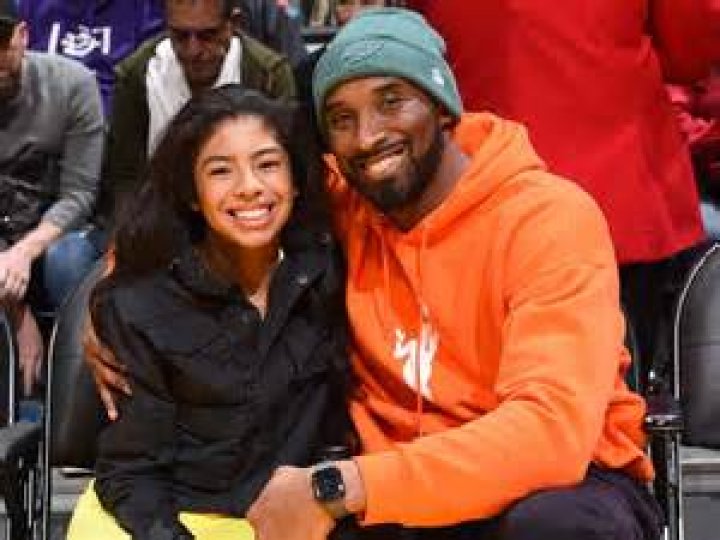
Juju Watkins, born on November 4, 1998, is an American football wide receiver for the Baltimore Ravens of the National Football League (NFL). His ethnic background is a mix of African-American and Native American.
Watkins is a member of the Navajo Nation, the largest Native American tribe in the United States. He is also of African-American descent. Watkins has spoken about the importance of his heritage, saying, "I'm proud to be a Native American and African-American. I want to represent my people on and off the field."
Watkins is a role model for many young Native Americans. He shows that it is possible to succeed in sports and in life despite the challenges that Native Americans often face.
Juju Watkins Ethnic Background
Juju Watkins, an American football wide receiver, has a diverse ethnic background that encompasses both African-American and Native American heritage. This background shapes his identity, values, and experiences, influencing his life both on and off the field.
- African-American: Roots in the African diaspora, reflecting cultural traditions and experiences.
- Native American: Member of the Navajo Nation, the largest Native American tribe in the US.
- Mixed Heritage: Unique blend of two distinct cultures, offering a multifaceted perspective.
- Cultural Identity: Strong connection to both African-American and Native American communities.
- Role Model: Inspiration for young Native Americans, demonstrating success despite challenges.
- Values: Respect for tradition, resilience, and perseverance.
- Community Involvement: Active in organizations supporting Native American youth.
- Representation: Breaks stereotypes and promotes diversity in sports.
- Social Justice: Advocate for equality and understanding between different cultures.
In conclusion, Juju Watkins' ethnic background is a rich tapestry woven from the threads of two distinct cultures. It shapes his identity, values, and contributions to society. By embracing his heritage, he not only honors his ancestors but also serves as a role model for others, fostering greater understanding and appreciation for the diversity that enriches our world.
African-American
Juju Watkins' African-American heritage is an integral part of his ethnic background. It connects him to the broader African diaspora, a global community with shared cultural traditions and experiences. This heritage has shaped Watkins' identity and values, influencing his life both on and off the field.
The African diaspora refers to the descendants of Africans who were forcibly dispersed from their home continent during the transatlantic slave trade. Over centuries, African Americans have developed a distinct culture that blends elements of their African ancestry with influences from their experiences in the Americas. This culture is expressed through music, dance, art, literature, and cuisine.
Watkins is proud of his African-American heritage and often speaks about the importance of his culture. He has said, "I'm grateful for my ancestors who endured so much so that I could have the opportunities I have today." Watkins is a role model for many young African Americans, showing them that it is possible to succeed despite the challenges that they may face.
Understanding the connection between Juju Watkins' African-American heritage and his ethnic background is important because it provides a deeper appreciation of his identity and experiences. It also highlights the rich cultural diversity that exists within the United States.
Native American
Juju Watkins' membership in the Navajo Nation, the largest Native American tribe in the US, is a significant aspect of his ethnic background. It connects him to a rich cultural heritage and a strong sense of community.
- Cultural Heritage: The Navajo Nation has a rich cultural heritage that includes traditions, language, art, and music. Watkins has spoken about the importance of his Navajo culture, saying, "I'm proud to be a Navajo. It's a part of who I am."
- Community: The Navajo Nation is a close-knit community that values family and tradition. Watkins has said that his Navajo community has been a source of support and strength for him.
- Values: The Navajo people have a strong sense of values that include respect for nature, humility, and hard work. These values have shaped Watkins' character and his approach to life.
- Role Model: As a successful athlete and a member of the Navajo Nation, Watkins is a role model for many young Native Americans. He shows them that it is possible to succeed in sports and in life despite the challenges that they may face.
Understanding the connection between Juju Watkins' Native American heritage and his ethnic background is important because it provides a deeper appreciation of his identity and experiences. It also highlights the rich cultural diversity that exists within the United States.
Mixed Heritage
Juju Watkins' mixed heritage, blending African-American and Native American cultures, is a defining aspect of his ethnic background. This unique blend of two distinct cultures offers Watkins a multifaceted perspective, enriching his identity and experiences.
Growing up in a household that embraced both African-American and Native American traditions, Watkins was exposed to a diverse range of cultural influences. From the soulful rhythms of African-American music to the intricate patterns of Navajo art, Watkins absorbed the values, beliefs, and practices of both cultures.
This multifaceted perspective has shaped Watkins' worldview, allowing him to see the world through multiple lenses. He understands the challenges faced by both African Americans and Native Americans, and he is committed to using his platform to speak out against injustice and promote equality.
Watkins' mixed heritage is also a source of strength and resilience. He draws upon the wisdom and traditions of both cultures to navigate the challenges of life. He is a role model for other mixed-race individuals, showing them that it is possible to embrace and celebrate one's unique heritage.
Understanding the connection between Juju Watkins' mixed heritage and his ethnic background is important because it provides a deeper appreciation of his identity and experiences. It also highlights the beauty and complexity of mixed-race heritage, and the valuable contributions that mixed-race individuals make to society.
Cultural Identity
Juju Watkins' strong connection to both African-American and Native American communities is a central aspect of his ethnic background, shaping his identity, values, and experiences. This connection manifests in several key facets:
- Cultural Immersion: Watkins was raised in a household that embraced both African-American and Native American traditions. He participated in cultural events, learned about the histories of both communities, and developed a deep understanding of their values and beliefs.
- Community Involvement: Watkins is actively involved in both African-American and Native American communities. He supports organizations that promote social justice and cultural preservation, and he uses his platform to raise awareness of issues affecting both communities.
- Artistic Expression: Watkins' cultural identity is reflected in his artistic expression. His music often incorporates elements of both African-American and Native American traditions, and his lyrics often address issues of social justice and cultural preservation.
- Sense of Belonging: Watkins feels a strong sense of belonging to both the African-American and Native American communities. He identifies with the struggles and triumphs of both communities, and he is proud of his unique heritage.
Understanding the connection between Juju Watkins' cultural identity and his ethnic background is important because it provides a deeper appreciation of his identity and experiences. It also highlights the importance of cultural identity for individuals with mixed heritage, and the valuable contributions that they make to society.
Role Model
Juju Watkins' ethnic background as a Native American makes him a powerful role model for young Native Americans. He demonstrates that it is possible to succeed in sports and in life despite the challenges that Native Americans often face.
- Overcoming Stereotypes: Watkins' success on and off the field challenges stereotypes about Native Americans and shows young Native Americans that they can achieve anything they set their minds to.
- Cultural Pride: Watkins' pride in his Native American heritage inspires young Native Americans to embrace their own culture and traditions.
- Education and Empowerment: Watkins is a vocal advocate for education and empowerment in Native American communities. He uses his platform to speak out about the importance of education and to encourage young Native Americans to pursue their dreams.
- Social Justice: Watkins is an advocate for social justice and equality. He uses his platform to speak out against racism and discrimination, and he is involved in several organizations that work to improve the lives of Native Americans.
Juju Watkins is a role model for young Native Americans because he demonstrates that it is possible to overcome challenges, achieve success, and make a difference in the world. He is an inspiration to all who know him, and his story is a reminder that anything is possible if you set your mind to it.
Values
The values of respect for tradition, resilience, and perseverance are deeply ingrained in Juju Watkins' ethnic background. These values have shaped his character and his approach to life, both on and off the field.
Respect for tradition is a core value in both African-American and Native American cultures. Watkins has spoken about the importance of tradition in his life, saying, "I'm grateful for the traditions that my ancestors have passed down to me. They give me a sense of identity and purpose." Watkins shows respect for tradition by participating in cultural events, learning about the history of his people, and passing on traditions to younger generations.
Resilience is another important value in Watkins' ethnic background. Both African Americans and Native Americans have faced significant challenges throughout history, but they have persevered and thrived. Watkins has faced his own challenges in life, but he has never given up on his dreams. He is a role model for others, showing them that it is possible to overcome adversity and achieve success.
Perseverance is a key value in both African-American and Native American cultures. Watkins has shown perseverance throughout his life, both on and off the field. He has worked hard to achieve his goals, and he has never given up on his dreams. Watkins is an inspiration to others, showing them that it is possible to achieve anything you set your mind to.
The values of respect for tradition, resilience, and perseverance are essential components of Juju Watkins' ethnic background. These values have shaped his character and his approach to life, and they continue to guide him as he pursues his dreams.
Community Involvement
Juju Watkins' involvement in organizations that support Native American youth is a direct reflection of his ethnic background and his commitment to giving back to his community. As a proud member of the Navajo Nation, Watkins understands the unique challenges that Native American youth face, and he is passionate about making a difference in their lives.
- Mentorship and Role Modeling: Watkins serves as a mentor and role model for Native American youth, providing guidance and support as they navigate the challenges of growing up. He shares his experiences as an athlete and as a Native American, inspiring young people to pursue their dreams and to overcome obstacles.
- Educational Support: Watkins is involved in organizations that provide educational support to Native American youth. He participates in tutoring programs, donates books and supplies, and encourages young people to stay in school and pursue higher education.
- Cultural Preservation: Watkins supports organizations that work to preserve and promote Native American culture. He participates in cultural events, speaks to youth about the importance of their heritage, and helps to keep traditional practices alive.
- Advocacy and Empowerment: Watkins uses his platform as an athlete and a public figure to advocate for the rights of Native American youth. He speaks out against racism and discrimination, and he encourages young people to be active in their communities and to make their voices heard.
Watkins' community involvement is a powerful example of how individuals can use their platform and resources to make a positive impact on their communities. By supporting organizations that empower Native American youth, Watkins is helping to create a brighter future for his people.
Representation
As a prominent Native American athlete, Juju Watkins serves as a powerful representation of diversity in sports, challenging stereotypes and inspiring young people from all backgrounds. His presence on the field breaks down barriers and sends a clear message that Native Americans are capable of achieving success at the highest levels of athletics.
Watkins' representation is particularly significant given the historical underrepresentation of Native Americans in professional sports. For many years, Native Americans have faced systemic barriers to participation in sports, including discrimination, lack of access to resources, and cultural biases. Watkins' success as an NFL player helps to dispel these stereotypes and demonstrates that Native Americans have the talent and determination to compete at the elite level.
Beyond breaking stereotypes, Watkins' representation also promotes diversity and inclusion in sports. By seeing a Native American athlete succeed on the field, young people from all backgrounds are more likely to believe that they too can achieve their dreams, regardless of their race or ethnicity. This is especially important for Native American youth, who may face unique challenges and barriers to participation in sports.
In conclusion, Juju Watkins' representation as a Native American athlete is a powerful force for breaking stereotypes and promoting diversity in sports. His success on the field sends a clear message that Native Americans are capable of achieving anything they set their minds to, and it inspires young people from all backgrounds to pursue their dreams.
Social Justice
Juju Watkins' commitment to social justice is a direct reflection of his ethnic background and his experiences as a Native American and African American. He has witnessed firsthand the challenges faced by marginalized communities, and he is passionate about using his platform to advocate for equality and understanding between different cultures.
As a social justice advocate, Watkins speaks out against racism, discrimination, and injustice. He uses his social media presence to raise awareness of important issues, and he participates in protests and rallies to demand change. Watkins also works with organizations that are dedicated to promoting social justice, such as the American Civil Liberties Union (ACLU) and the Southern Poverty Law Center (SPLC).
Watkins' advocacy for social justice is an important part of his ethnic background. It is a reflection of his values and his commitment to making the world a better place for all people. By using his platform to speak out against injustice, Watkins is helping to create a more just and equitable society for all.
FAQs on Juju Watkins' Ethnic Background
This section addresses frequently asked questions about Juju Watkins' ethnic background, providing concise and informative answers to common concerns or misconceptions.
Question 1: What is Juju Watkins' ethnic background?
Juju Watkins has a mixed ethnic background, with African-American and Native American ancestry. He is a member of the Navajo Nation, the largest Native American tribe in the United States.
Question 2: How does Juju Watkins' ethnic background influence his identity?
Watkins' ethnic background is a central part of his identity. He is proud of his African-American and Native American heritage, and he often speaks about the importance of cultural identity.
Question 3: Is Juju Watkins a role model for other Native Americans?
Yes, Watkins is a role model for many Native Americans. He demonstrates that it is possible to succeed in sports and in life despite the challenges that Native Americans often face.
Question 4: What are some of the challenges that Juju Watkins has faced due to his ethnic background?
Watkins has faced some challenges due to his ethnic background, including racism and discrimination. However, he has used these experiences to motivate himself and to speak out against injustice.
Question 5: How does Juju Watkins use his platform to promote social justice?
Watkins uses his platform as an athlete and a public figure to promote social justice. He speaks out against racism and discrimination, and he supports organizations that work to improve the lives of marginalized communities.
Question 6: What can we learn from Juju Watkins' story?
We can learn a lot from Juju Watkins' story, including the importance of cultural identity, resilience, and social justice. Watkins is an inspiration to us all, and his story shows us that anything is possible if we set our minds to it.
In conclusion, Juju Watkins' ethnic background is a rich and complex part of his identity. He is a proud African-American and Native American who uses his platform to promote social justice and to inspire others.
Transition to the next article section: Juju Watkins' Athletic Career
Tips Related to "Juju Watkins Ethnic Background"
Understanding the ethnic background of Juju Watkins provides insights into his identity, values, and experiences. Here are some key tips to consider:
Tip 1: Acknowledge the Intersectionality of Multiple Heritages
Recognize that individuals like Juju Watkins, with mixed ethnic backgrounds, navigate the complexities of multiple cultural identities. Their experiences encompass the richness and challenges of diverse heritages.
Tip 2: Understand the Historical Context
Explore the historical experiences of African Americans and Native Americans to gain context for the challenges and triumphs faced by individuals like Juju Watkins. This historical understanding enhances appreciation for their resilience and contributions.
Tip 3: Respect Cultural Diversity
Value and embrace the cultural diversity that Juju Watkins represents. Recognize the importance of preserving and celebrating different traditions, languages, and perspectives.
Tip 4: Promote Inclusivity and Representation
Advocate for inclusive practices that promote representation and visibility for individuals from diverse ethnic backgrounds. This fosters a sense of belonging and inspires future generations.
Tip 5: Challenge Stereotypes and Biases
Actively challenge stereotypes and biases that perpetuate misconceptions about ethnic backgrounds. Promote accurate and respectful narratives that celebrate the unique identities of individuals.
Tip 6: Support Organizations Promoting Social Justice
Support organizations that work towards social justice and equality for marginalized communities. This demonstrates solidarity with individuals like Juju Watkins, who use their platforms to advocate for positive change.
Tip 7: Engage in Meaningful Dialogue
Engage in respectful and meaningful dialogue with individuals from diverse ethnic backgrounds. This fosters understanding, empathy, and a deeper appreciation for different perspectives.
Tip 8: Celebrate the Richness of Diversity
Recognize and celebrate the richness that diversity brings to society. Embrace the unique experiences, perspectives, and contributions of individuals like Juju Watkins, who embody the beauty of our multicultural world.
These tips provide guidance for understanding and engaging with the ethnic background of Juju Watkins and individuals like him. By embracing diversity, promoting inclusivity, and challenging stereotypes, we create a more equitable and respectful society for all.
Conclusion
Juju Watkins' ethnic background is a tapestry of resilience, diversity, and cultural richness. His African-American and Native American heritage has shaped his identity, values, and commitment to social justice. As a role model and advocate, Watkins challenges stereotypes, promotes inclusivity, and inspires others to embrace their own unique identities.
Understanding and celebrating the ethnic background of individuals like Juju Watkins is crucial for fostering a truly equitable and respectful society. It is a reminder that our differences are not divisive but rather a source of strength and beauty. By embracing diversity, promoting inclusivity, and challenging biases, we create a world where everyone has the opportunity to succeed and contribute to the betterment of humanity.
Uncover The Secrets Of Taylor Townsend's Net Worth: Unveiling Wealth-Building Strategies
Uncover The Enigmatic Caesar Flickerman: A Literary Deep Dive
Uncovering The Truth: Luis Guzman's Marital Status Revealed
Juju Watkins Ethnicity, Dad, Mom, Siblings, Age, Height, Net Worth
Juju Watkins is our 2020 SportsKid of the Year SI Kids Sports News